What is Zigbee2MQTT and What are the Best Zigbee2MQTT Devices in 2026?

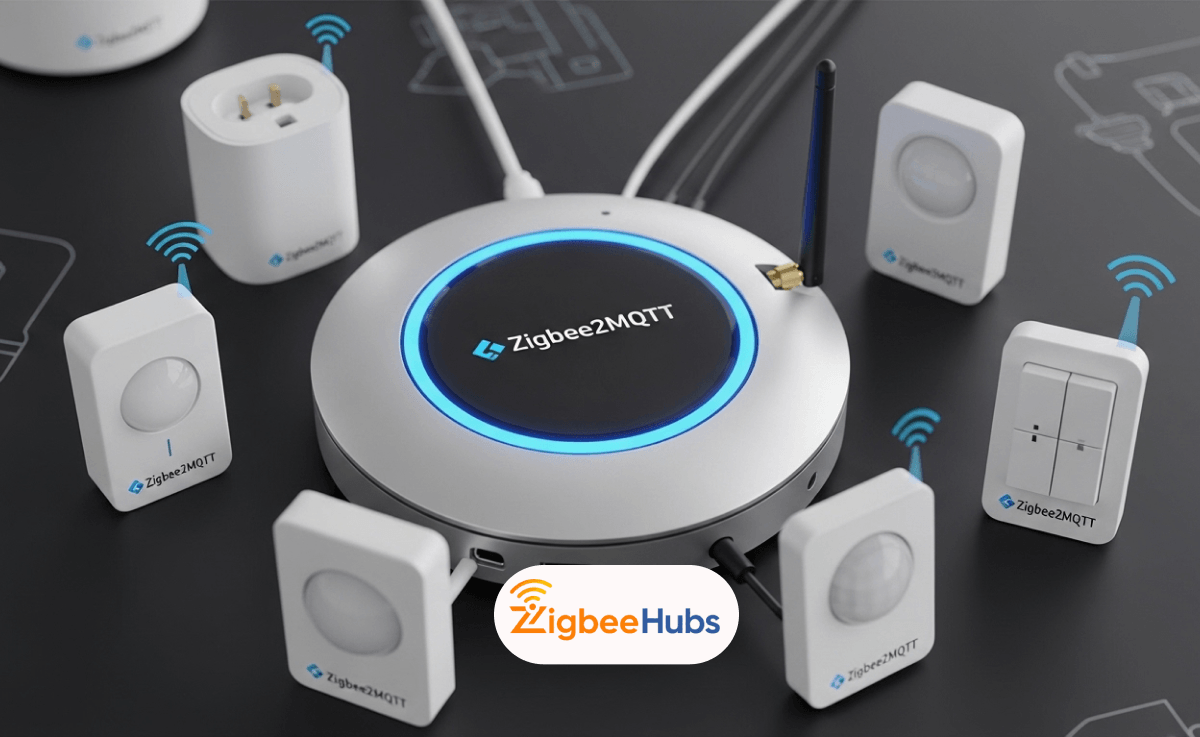
Zigbee2MQTT is an open-source Zigbee-to-MQTT bridge that lets you control thousands of Zigbee devices in Home Assistant without brand-specific hubs. In 2026, it supports over 5,200 devices from 550+ vendors, making it the most flexible and future-proof way to run a local, cloud-free Zigbee network.
Key Takeaways
- Zigbee2MQTT replaces brand hubs with one universal Zigbee MQTT gateway.
- Supports 5,219+ devices from over 550 vendors.
- Works seamlessly with Home Assistant, Node-RED, and OpenHAB.
- Runs independently from Home Assistant for better stability.
- Requires a Zigbee2MQTT adapter (coordinator) like SMLIGHT or Sonoff.
- Ideal for power users who want full local control and advanced debugging.
What is Zigbee2MQTT?
Zigbee2MQTT is an open-source bridge that connects Zigbee devices to an MQTT broker. It allows those devices to communicate with platforms like Home Assistant, Node-RED, or OpenHAB.
Instead of using separate hubs from brands like IKEA, Xiaomi, or Philips, you use one universal Zigbee network controlled through MQTT. That’s why many users call it the ultimate zigbee mqtt gateway.
As of 2026, the official zigbee2mqtt supported devices list includes 5,219 devices from more than 550 vendors. This wide support is one of its biggest advantages.
How Does Zigbee2MQTT Work with Home Assistant?
When people search for zigbee2mqtt home assistant or home assistant zigbee2mqtt, they usually want to know how the system connects.
Here's the simple flow:
Because it runs as a separate service, your Zigbee network stays online even if you restart Home Assistant. That independence is a major reason power users choose it over ZHA.
 Ishara Fernando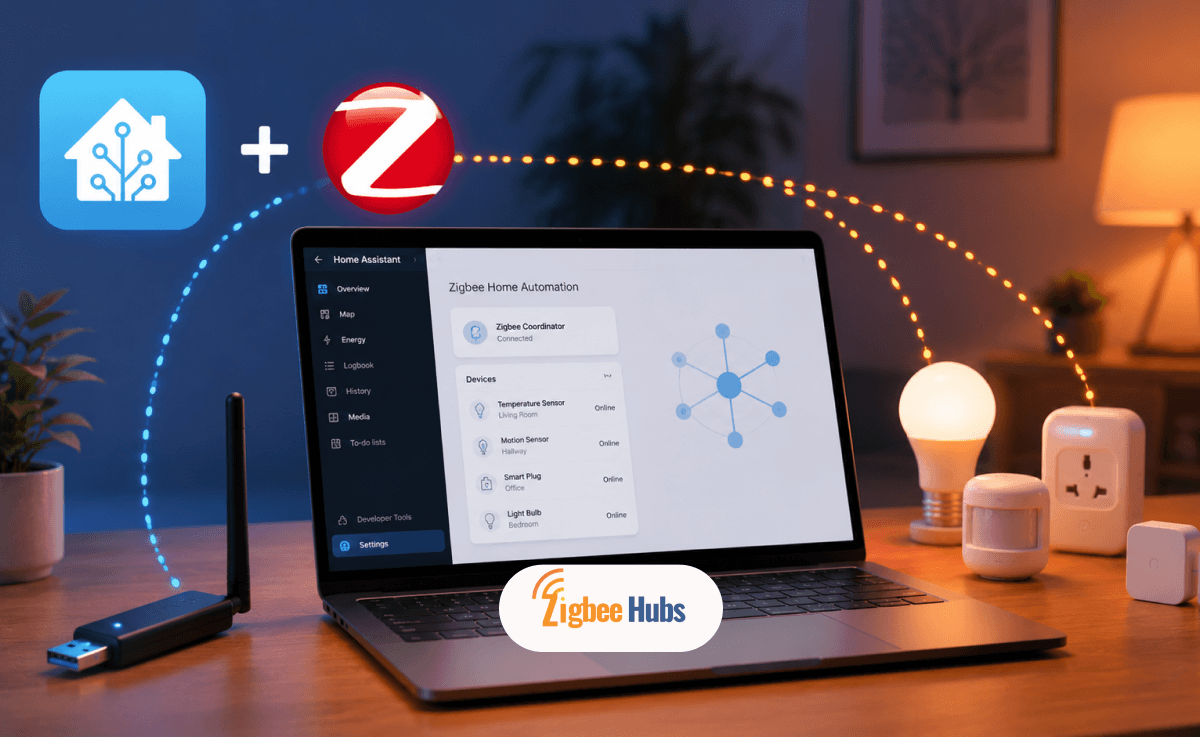
Why Choose Zigbee2MQTT Over ZHA in 2026?
Both ZHA and Zigbee2MQTT work well. The difference is flexibility.
ZHA
- Built directly into Home Assistant.
- Easier initial setup.
Zigbee2MQTT
- Wider device compatibility.
- Faster support for new or exotic devices.
- Advanced debugging through MQTT tools.
- Runs independently from Home Assistant.
If you want maximum device compatibility and deeper network control, Zigbee2MQTT is the better choice.
Choosing thr Best Zigbee2MQTT Adapter (Coordinator)
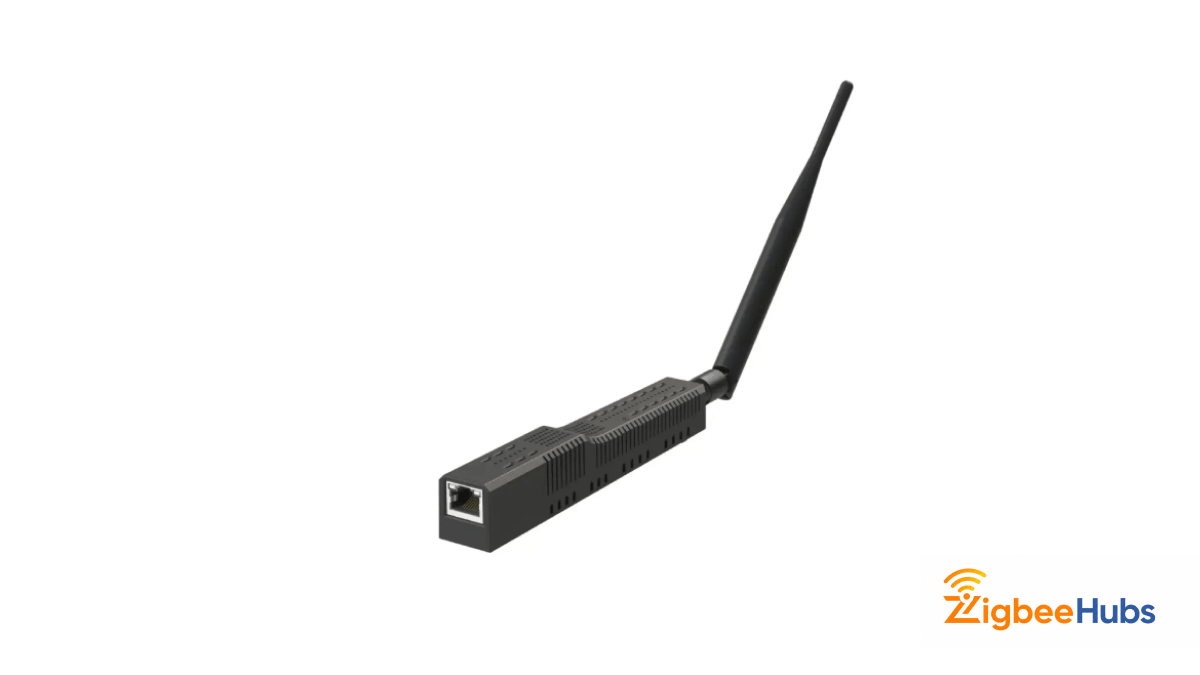
⭐SMLIGHT SLZB-06 (Ethernet/PoE) [Best Recommended]
The SMLIGHT SLZB-06 is one of the most advanced coordinator options available.
Key Features
- Power over Ethernet (PoE) support
- Direct Ethernet connection
- Flexible placement anywhere in your home network
Pros
- Best possible coverage due to central placement.
- Not affected by Home Assistant reboots.
- Excellent long-term investment.
Cons
- Higher price than USB dongles.
- Requires network configuration knowledge.
Pro Tip:
If you run Home Assistant in a server rack or basement, Ethernet coordinators dramatically improve signal strength by allowing optimal placement.
 Ishara Fernando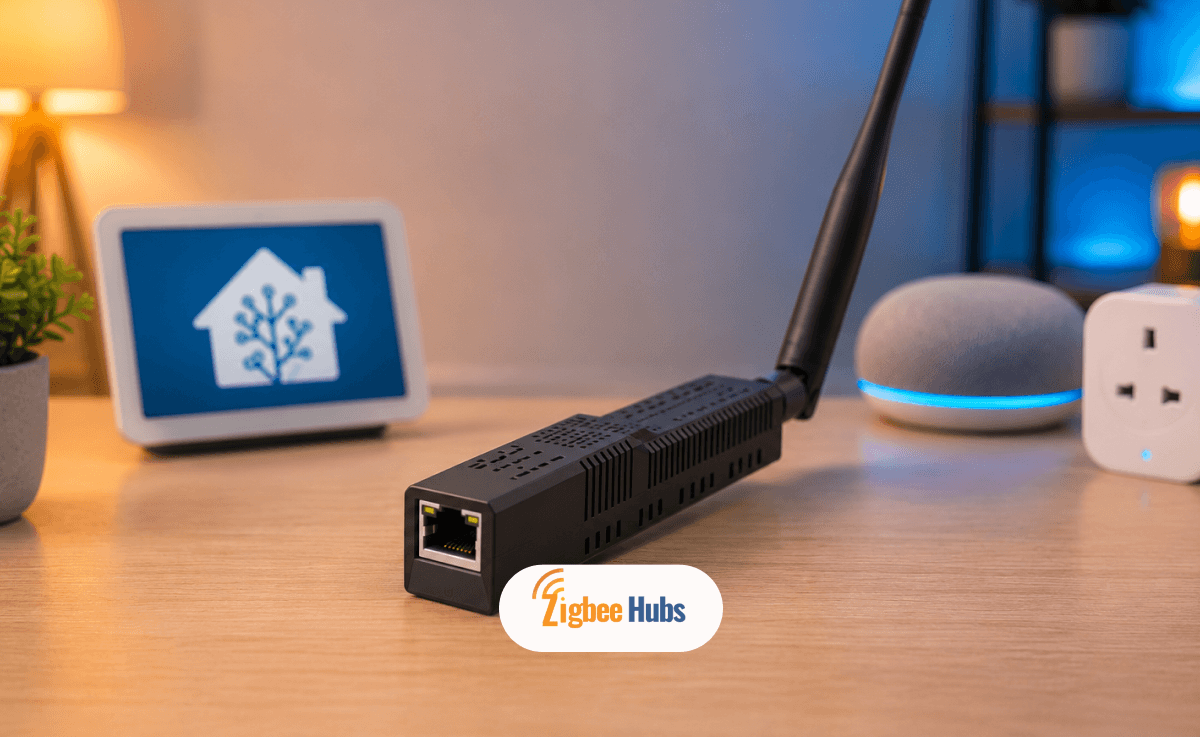
Other alternative options include:
SONOFF Zigbee 3.0 USB Dongle Plus (Model P)
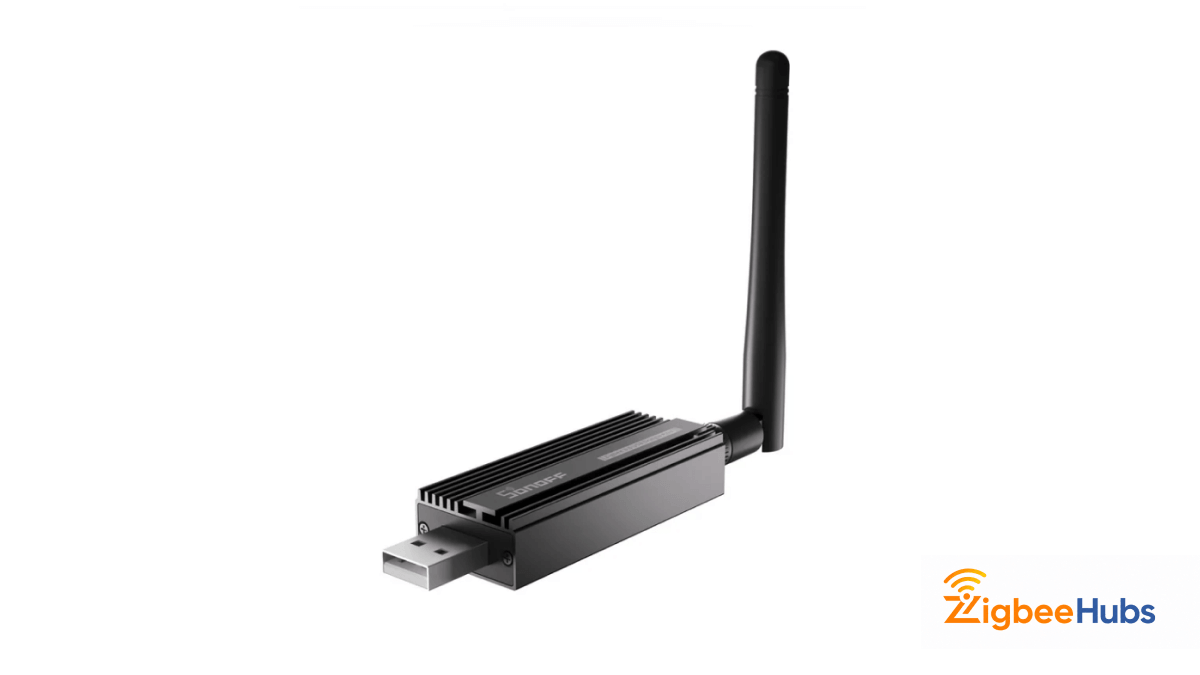
Zigbee2mqtt dongle remains one of the most reliable budget choices.
Key Features
- CC2652P chipset
- External antenna
- Wide community support
Pros
- Affordable and widely available.
- Strong, stable chipset.
- Large user community.
Cons
- Requires a USB extension cable.
- Limited placement flexibility compared to Ethernet models.
Important: Always use a USB extension cable to avoid 2.4GHz interference from your server.
SONOFF Zigbee 3.0 USB Dongle Plus (Model E)
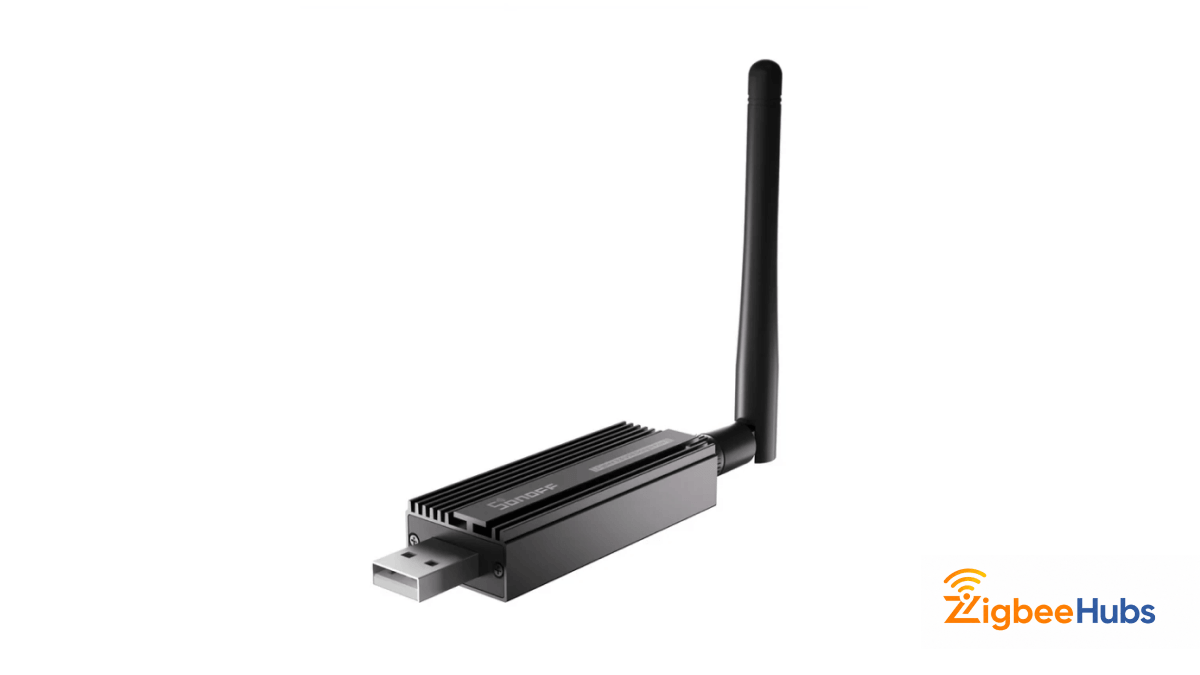
Model E uses the newer EFR32MG21 chipset.
Key Features
- Modern chipset
- Future support for Thread and Matter
- Strong performance
Pros
- High performance hardware.
- More future-oriented chipset.
Cons
- Also requires a USB extension cable.
- May need firmware updates for peak stability.
If you’re planning long-term protocol expansion, Model E offers more forward compatibility.
What Are the Best Zigbee2MQTT Smart Sensors?
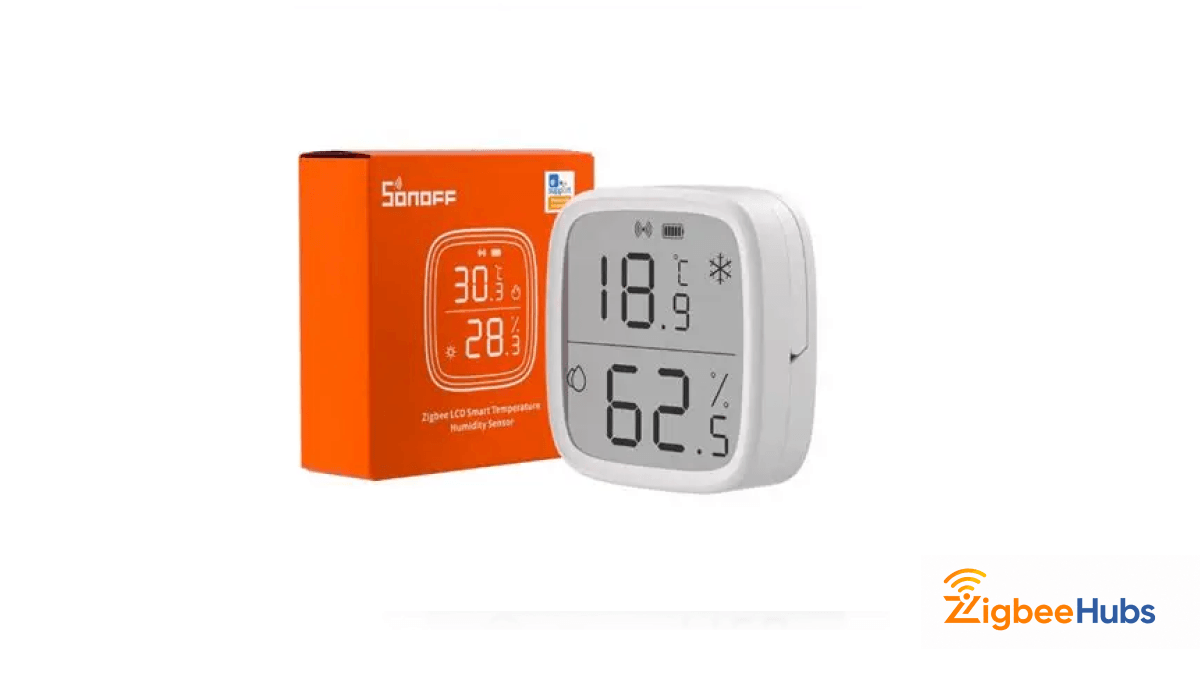
⭐SONOFF SNZB-02D (LCD Temp/Humidity)[Best Recommended]
A budget-friendly sensor with built-in display.
Key Features
- LCD Screen
- Temperature and humidity readings
- Battery powered
Pros
- Affordable.
- Easy to read at a glance.
Cons
- Updates may be slightly delayed to preserve battery.
Perfect for bedrooms and storage rooms.
Aqara Door & Window Sensor (T1)
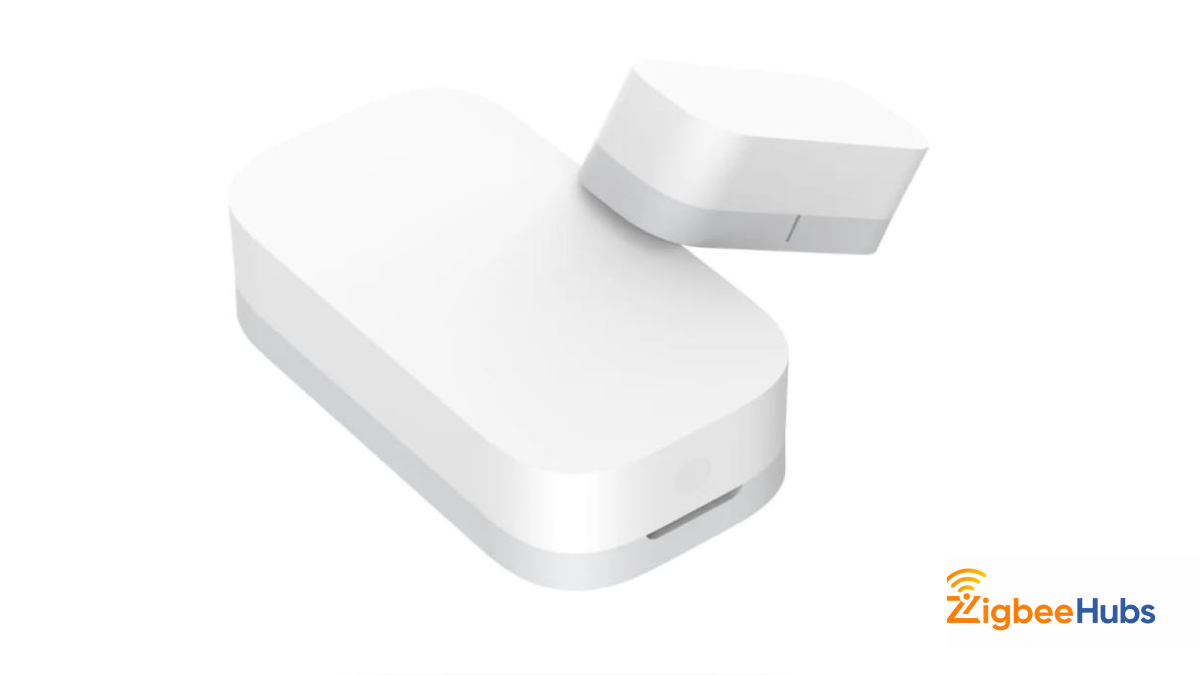
A compact and highly reliable contact sensor.
Key Features
- Small form factor
- Long battery life
- Strong Zigbee reliability
Pros
- Very small and discreet.
- Excellent battery performance.
Cons
- Requires proper magnet alignment.
Ideal for security automations.
Aqara Presence Detector FP1
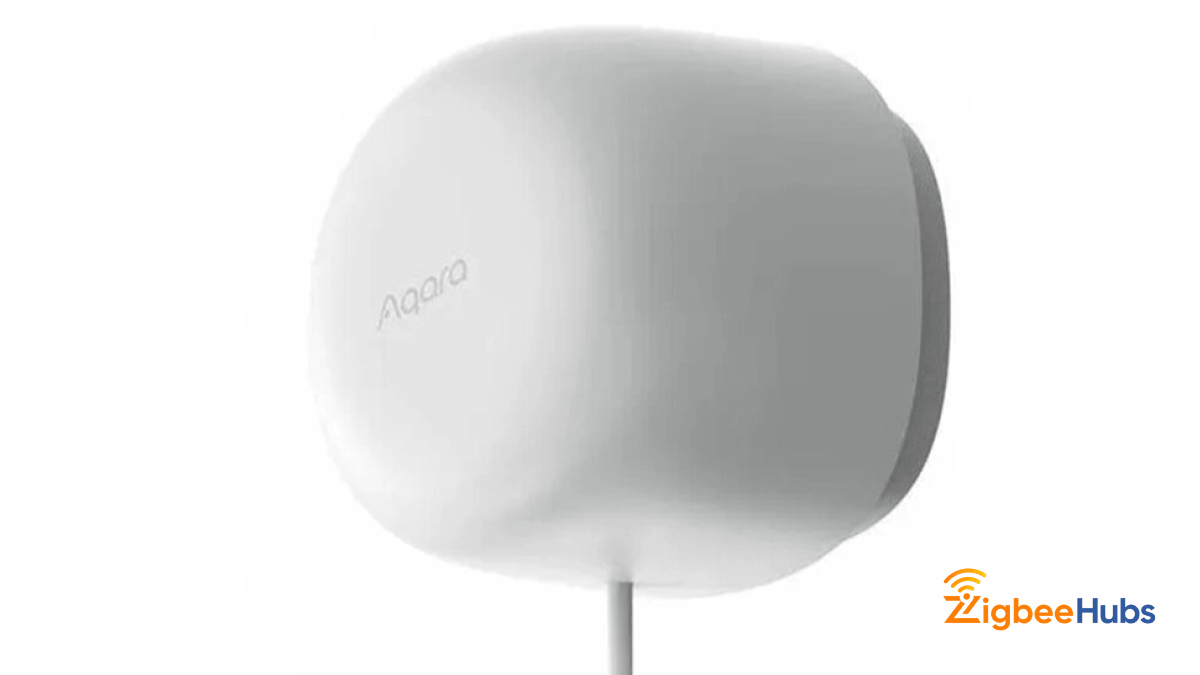
A high-precision presence sensor that detects even subtle human movement.
Key Features
- Milimeter-wave radar detection
- Detects stationary presnece
- Advanced zoning capabilities
Pros
- Detects someone sitting still.
- More accurate than PIR sensors.
Cons
- Higher price than basic motion sensors.
Best for offices, living rooms, or bathrooms where precision matters.
 Sarah Diyana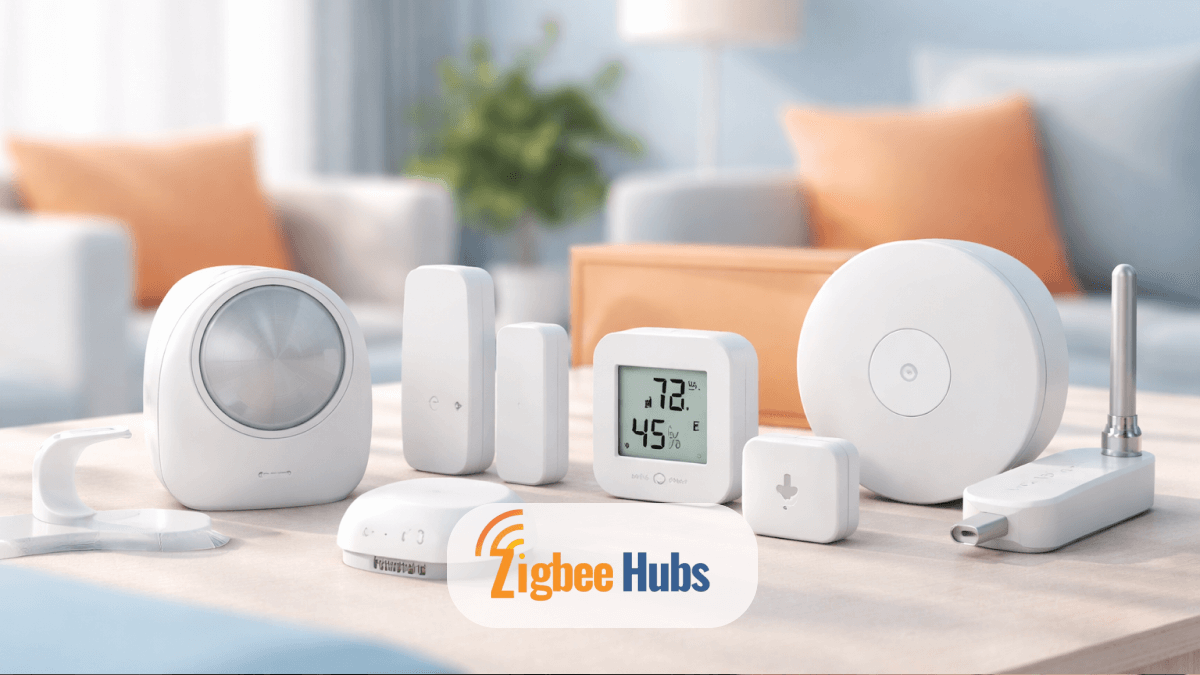
What are the Best Zigbee2MQTT Smart Lights?
Philips Hue White and Colour Ambience
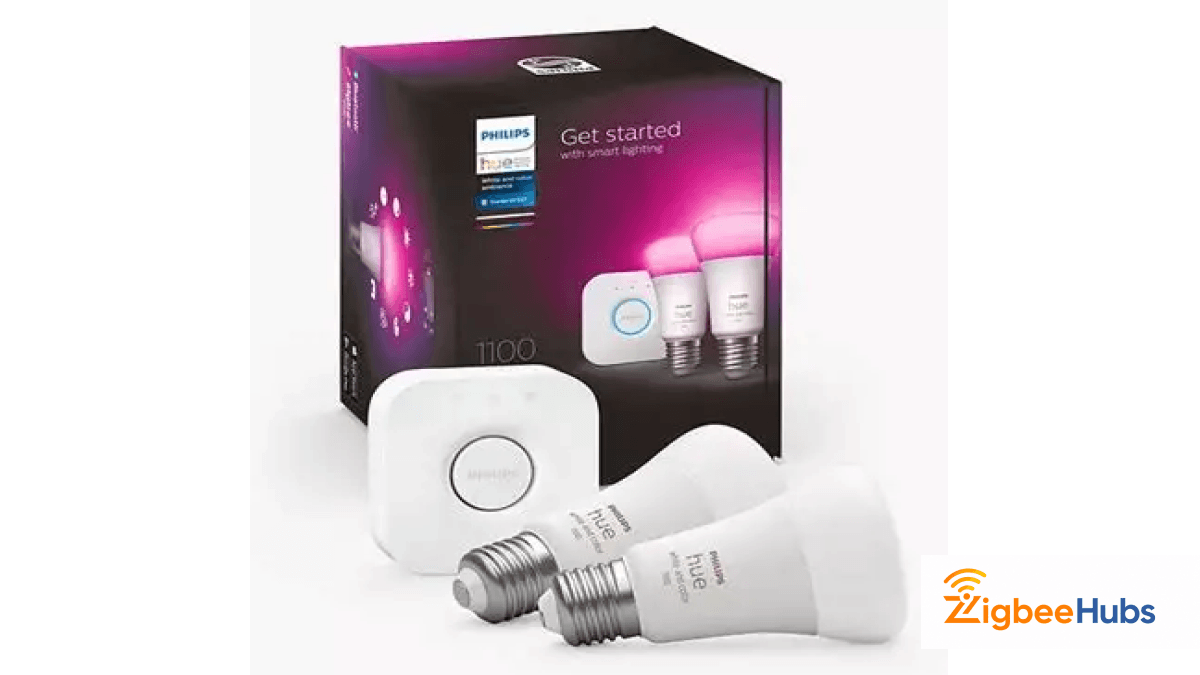
Widely regarded as premium smart bulbs
Key Features
- Accurate colour reproduction
- Smooth dimming
- Acts as Zigbee router
Pros
- Excellent dimming range.
- Strengthens mesh network.
Cons
- Higher price point.
Great for users who want both performance and network stability.
IKEA Tradfri LED Bulbs
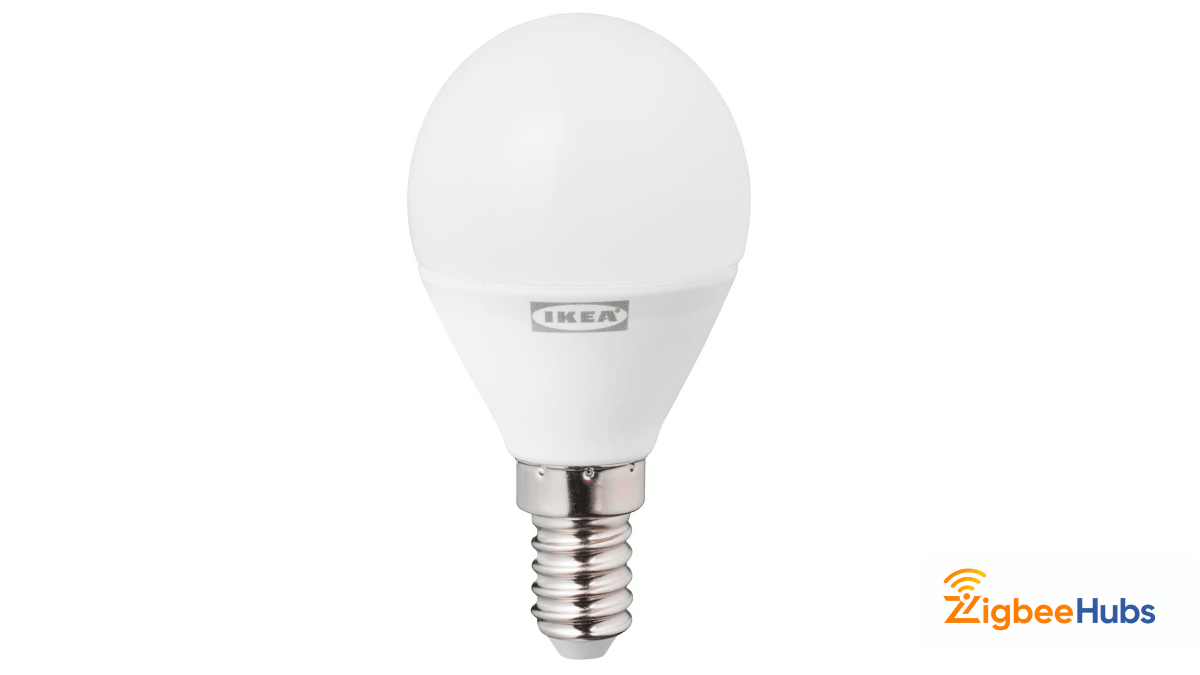
Affordable and widely available Zigbee bulbs.
 Sarah Diyana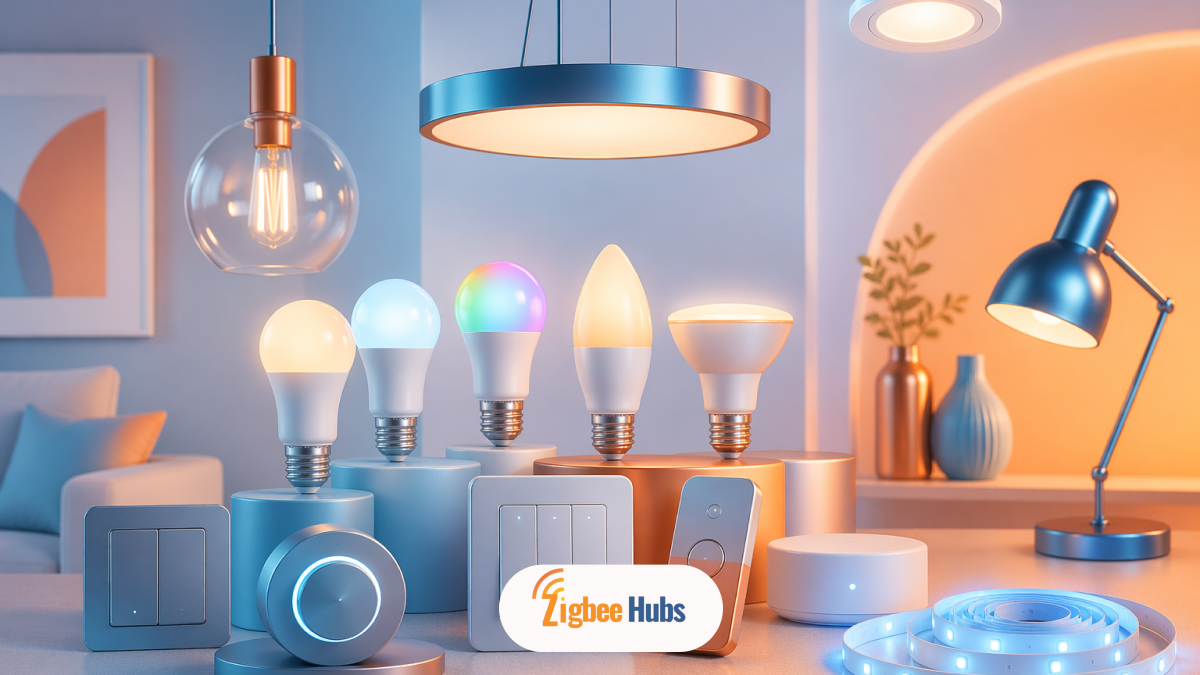
What Are the Best Smart Plugs and Relays?
SONOFF ZBMINIL2 (Extreme No Neutral)
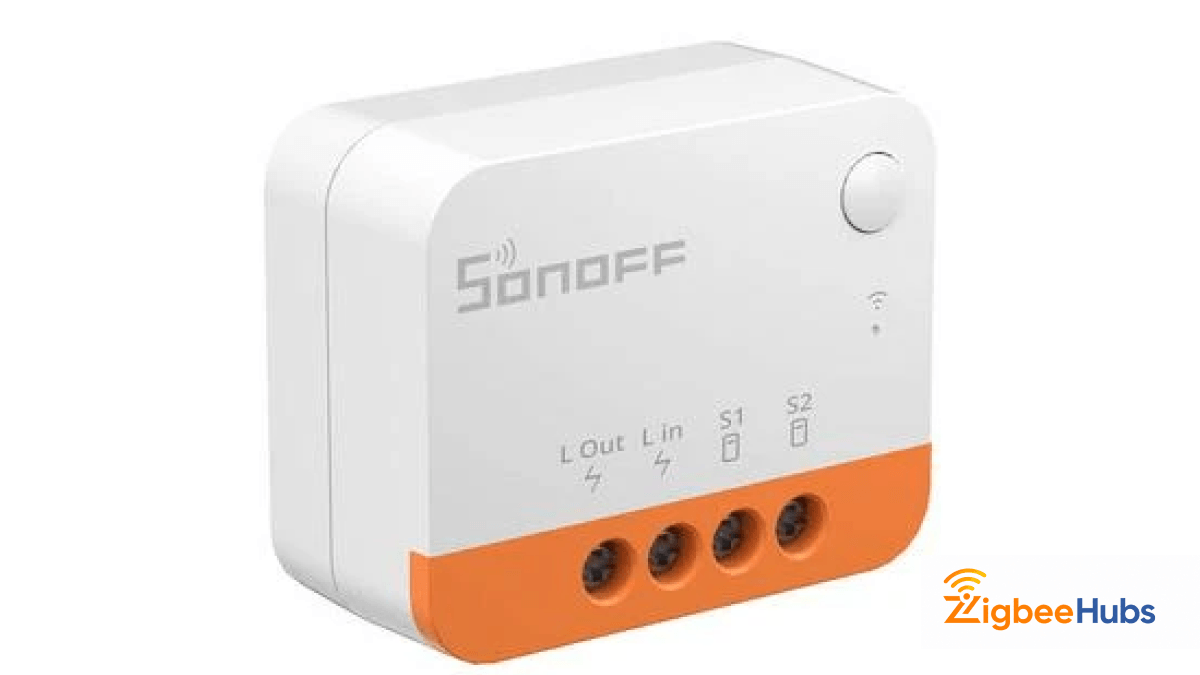
A compact relay designed for homes without neutral wiring.
Key Features
- No neutral required
- Small form factor
- Fits behind wall switches
Pros
- Perfect for older homes.
- Discreet installation.
Cons
- Cannot act as Zigbee router.
A must-have in regions with older wiring standards.
SONOFF iPlug (S40 Lite)
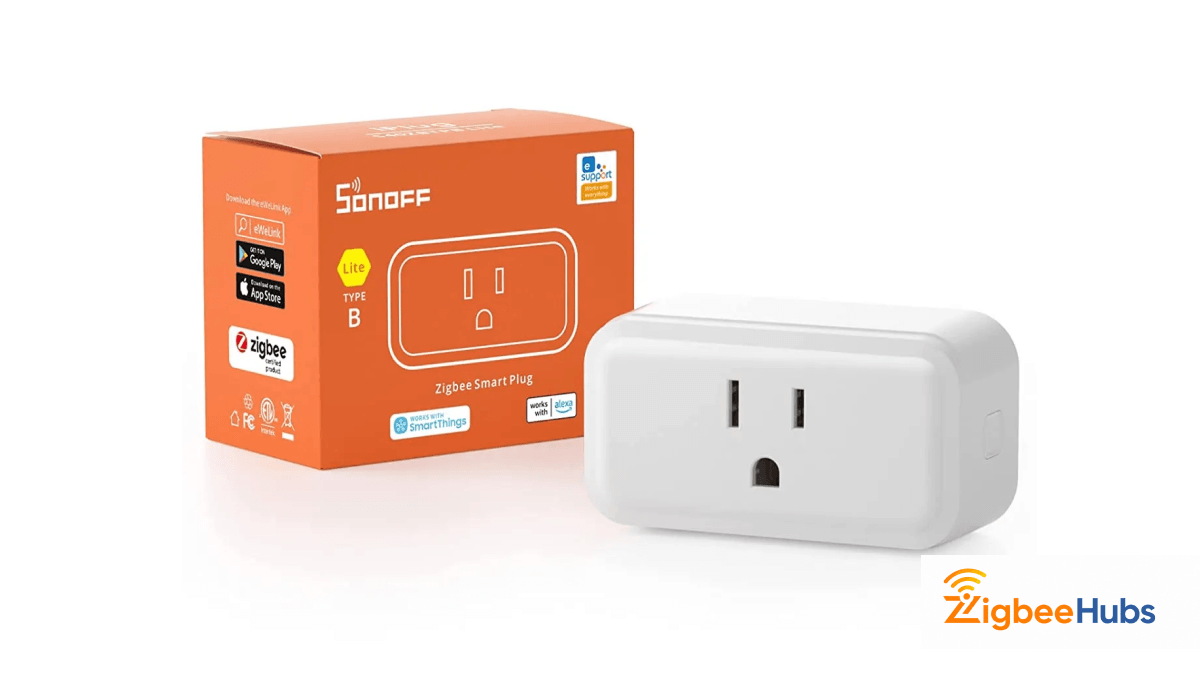
A compact smart plug with energy monitoring.
Key Features
- Power measurement
- Compact design
- Zigbee repeater
Pros
- Provides energy data.
- Very affordable.
Cons
- Limited plug-type availability (US/JP).
Excellent for energy tracking and strengthening your mesh.
How to Add a Device to Zigbee2MQTT?
To zigbee2mqtt add device, follow this process.
Step-by-Step Pairing Guide
Pro Tip:
Always pair devices near the coordinator first. Once joined, move them to final location.
How We Tested the Zigbee2MQTT Devices:
We tested every device in a real Home Assistant setup running Zigbee2MQTT with both Ethernet and USB coordinators. Each product was factory reset, paired from scratch, and monitored for stability, signal strength, routing behavior, and automation response over several days. We evaluated pairing reliability, entity accuracy, mesh performance, and interference resistance before including it in this 2026 guide.
Managing Your Z2M Devices and Network
After pairing your z2m devices, you gain powerful tools.
Network Map
The “Map” tab shows your entire Zigbee mesh. It helps you:
- Identify weak signals.
- Add routers where needed.
- Diagnose device routing paths.
OTA Updates
Zigbee2MQTT supports Over-the-Air firmware updates for brands like Philips Hue and IKEA. You don’t need their original hubs.
Strategic Maintenance and Troubleshooting
502 Bad Gateway Error
Usually caused by:
- Wrong serial port path.
- Disconnected adapter.
- Service failed to start.
Check logs immediately.
Interference Issues
Keep your zigbee2mqtt adapter:
- Away from Wi-Fi routers.
- On a USB extension cable.
- Separated from metal enclosures.
2.4GHz interference is the most common cause of instability.
Conclusion
In 2026, Zigbee2MQTT remains the definitive solution for building a fully local, high-performance Zigbee network. By selecting a strong coordinator like the SMLIGHT SLZB-06 or a reliable Sonoff dongle, and carefully choosing high-quality devices, you create a smart home system that is stable, scalable, and independent from brand ecosystems.
If you want full control over your Zigbee network, Zigbee2MQTT is still the gold standard.