
Everything Zigbee, in one place
Hand-picked Zigbee hubs and smart home devices, plus the guides and comparisons to help you choose the right one.
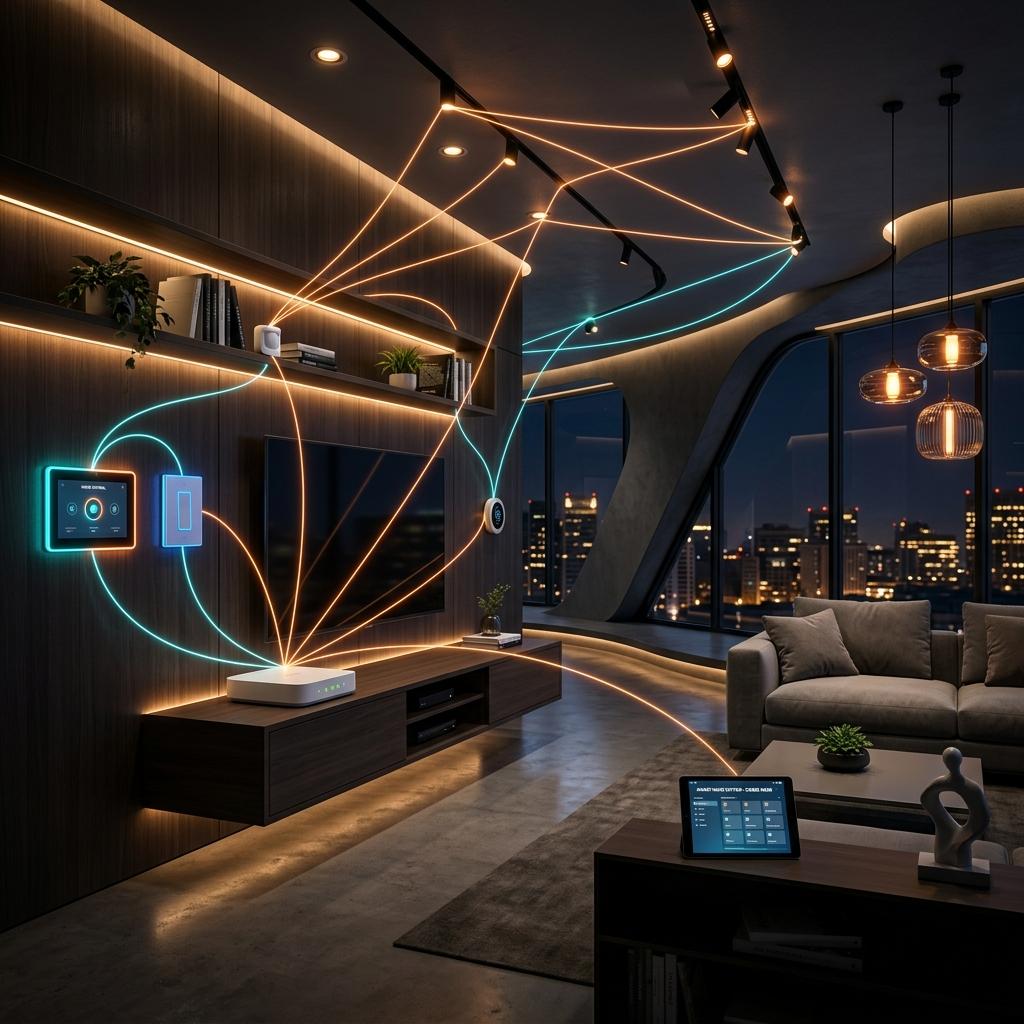
Smart Home Hub Network
Shop
Browse Zigbee hubs, sensors, lights, and switches - filtered, compared, and ready to ship.
Visit the shopBlog
Setup guides, hub comparisons, and troubleshooting for Home Assistant, Apple Home, and Google Home.
Read the blogWhat is the Zigbeehubs?
Zigbee Hubs is a dedicated online store designed to help you find the right Zigbee hub for your smart home. Whether you are just getting started with smart home automation or upgrading an existing setup, Zigbee hubs play a critical role in keeping your devices connected, responsive, and reliable. Our goal is to simplify the process of choosing a Zigbee hub by offering clear guidance, trusted product recommendations, and easy comparisons, all in one place.
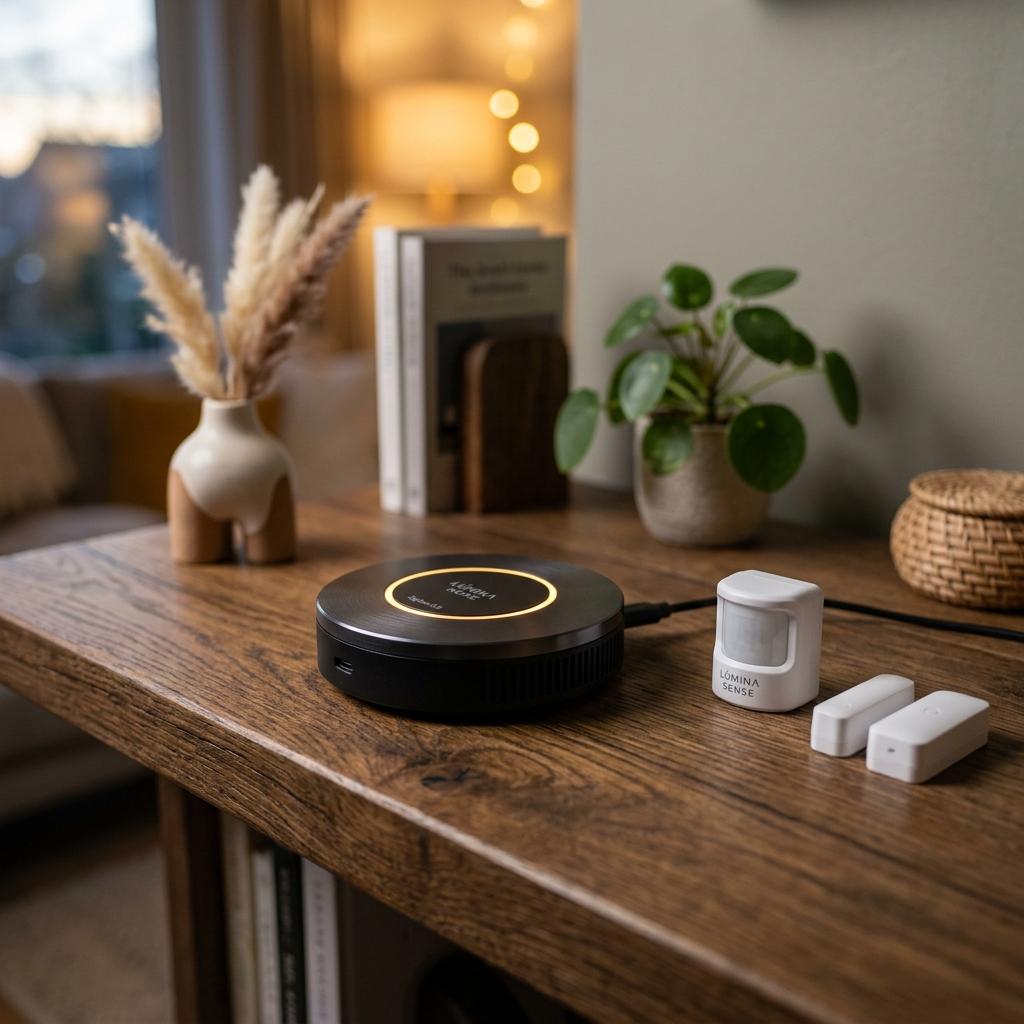
Benefits of Zigbee Technology
Zigbee's low-power mesh network is why smart hubs stay fast and reliable even as you add more devices to your home.
Reliable Local Control
Zigbee hubs allow smart devices to communicate locally within your home, reducing reliance on cloud services and improving reliability.
Low Power Connectivity
Designed for efficiency, Zigbee technology allows battery-powered sensors and switches to last for years without a charge.
Works Across Brands
Zigbee is a universal standard, ensuring that devices from different manufacturers can work together seamlessly in one ecosystem.
Fast and Responsive
With low latency and mesh networking, Zigbee hubs ensure quick response times for lights, sensors, and automations.
Secure by Design
Local communication and encrypted connections help keep your smart home data protected from external threats.
Strong Network Coverage
Zigbee uses mesh networking, meaning every powered device can act as a signal repeater to extend your home's coverage.
Frequently Asked Questions
Everything you need to know about setting up, expanding, and optimizing your Zigbee smart home.
What is Zigbee hub mode?
Zigbee hub mode is when a Zigbee gateway or coordinator acts as the central controller of your smart home network. It manages device pairing, routes local communication through a low-power mesh network, and executes automation rules locally without relying on the cloud.
What can Zigbee do?
Zigbee connects smart home devices—such as smart lights, motion sensors, door contacts, plugs, and switches—into a unified low-power mesh network. Devices talk directly to nearby powered nodes to extend network range and deliver instant sub-second response times.
What are the limitations of Zigbee?
Zigbee requires a dedicated hub or USB coordinator to communicate with your home network. While battery-powered sensors use negligible energy, individual range per hop is limited, so powered Zigbee router plugs are recommended for larger multi-story homes.
Can Zigbee connect to the internet directly?
No, Zigbee devices communicate via 802.15.4 wireless signals rather than Wi-Fi. They require a Zigbee hub or gateway (such as Home Assistant, Sonoff, or Tuya gateways) to bridge the Zigbee network to Wi-Fi or Ethernet for remote mobile access.
Have questions or need setup clarifications?
Ask the community & get expert answers on Smarthome Forum.