Best Zigbee Radios for Indoors and Outdoors Use

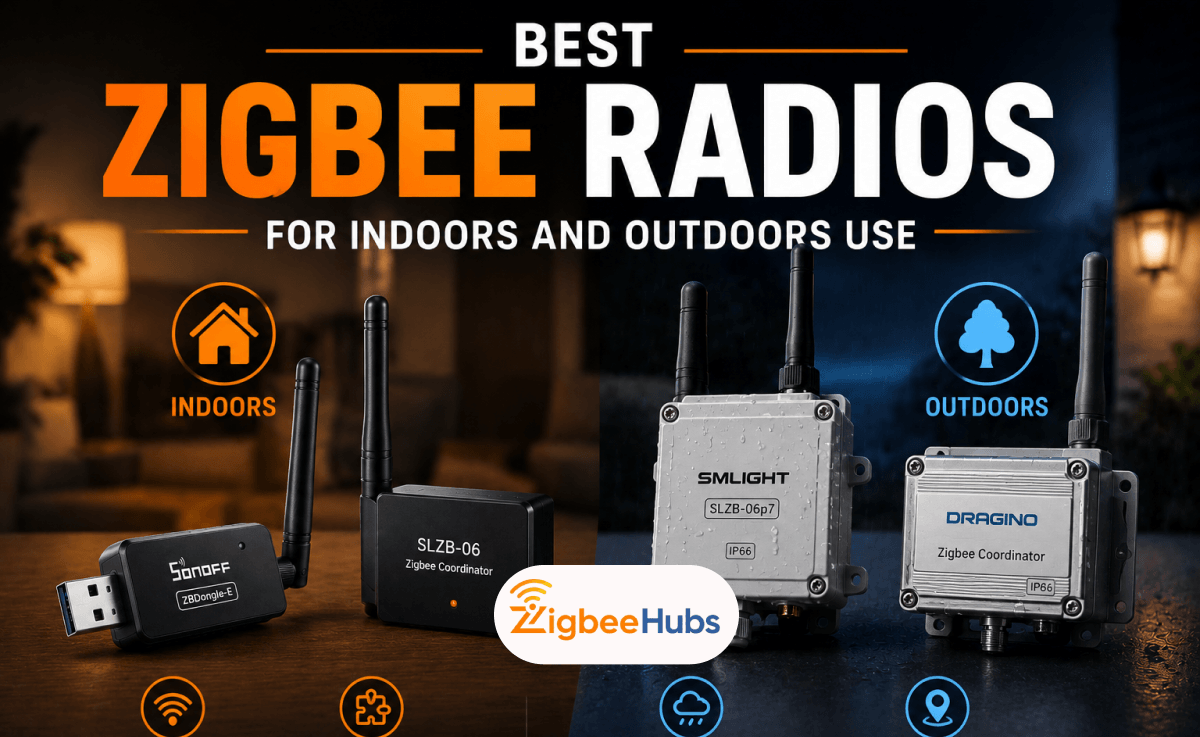
A Zigbee Radio is the wireless component that powers Zigbee communication between smart home devices, sensors, switches, and hubs. The best Zigbee Radio solutions provide reliable mesh networking, low power consumption, strong range, and excellent compatibility with platforms like Home Assistant, Zigbee2MQTT, Matter, and Apple Home. Choosing the right Zigbee Radio can dramatically improve network stability, device responsiveness, and long-term reliability.
Key Takeaways
- Zigbee operates primarily on the globally available 2.4 GHz band.
- The standard Zigbee freq is optimized for low-power mesh networking.
- Coordinator placement often matters more than transmission power.
- USB coordinators remain the best choice for Home Assistant users.
- Ethernet coordinators provide more flexibility in large homes.
- Zigbee 4.0 introduces Sub-GHz support for longer-range deployments.
- Router devices such as smart plugs are essential for extending coverage.
- Choosing the right zigbee radio can dramatically improve network stability and coverage.
- Modern zigbee radio hardware supports larger and more reliable mesh networks than earlier generations.
What Is a Zigbee Radio and Why Does It Matter?
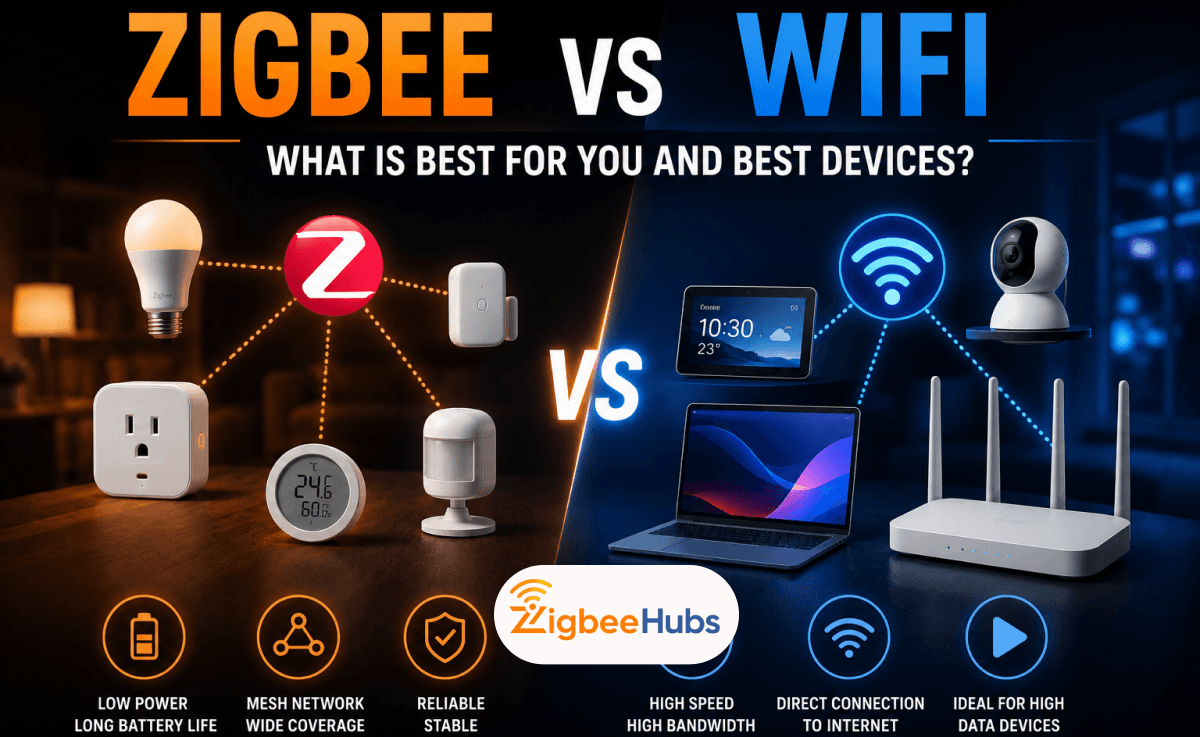
A Zigbee Radio is a wireless transceiver designed to operate using the IEEE 802.15.4 standard. Unlike WiFi, which focuses on high-speed data transfer, Zigbee prioritizes low power consumption, large device capacity, and long battery life.
Every Zigbee Radio uses low-power communication techniques to maximize battery life while maintaining reliable mesh communication.
The primary advantage of a Radio Zigbee network is its mesh architecture. Instead of every device communicating directly with a hub, Zigbee devices can relay messages through neighboring devices.
This creates several benefits:
- Better coverage
- Improved reliability
- Reduced battery consumption
- Self-healing network paths
In my own Home Assistant deployments, I have seen Zigbee networks continue operating even after a router device failed because the mesh automatically rerouted traffic through alternative paths.
According to the IEEE 802.15.4 standard, Zigbee was specifically designed for low-rate wireless personal area networks where power efficiency is more important than bandwidth.
How Does Zigbee Radio Technology Work?
A Zigbee network consists of three device types:
Coordinator
The coordinator creates and manages the network.
Examples include:
- SONOFF ZBDongle-P
- SONOFF ZBDongle-E
- SMLIGHT SLZB-06
- Aqara Hub M3
Every Zigbee network can only have one coordinator.
Routers
Routers extend network coverage.
Common examples include:
- Smart plugs
- Wall switches
- In-wall relays
- Powered sensors
End Devices
These are battery-powered devices such as:
- Motion sensors
- Door sensors
- Temperature sensors
- Leak sensors
End devices communicate through routers and typically sleep between transmissions to maximize battery life.
What Is the Zigbee Frequency?
The standard zigbee freq is 2.4 GHz worldwide.
This globally available ISM band allows manufacturers to produce a single version of most Zigbee products for worldwide use.
Zigbee Frequency Bands
| Region | Frequency |
|---|---|
| Global | 2.4 GHz |
| Europe | 868 MHz |
| North America | 915 MHz |
| Zigbee 4.0 | Expanded Sub-GHz Support |
The Connectivity Standards Alliance recently announced Zigbee 4.0 and the Suzi initiative, which extends Zigbee support into Sub-GHz frequency bands for improved range and wall penetration.
Why 2.4 GHz?
Benefits include:
- Worldwide compatibility
- Small antenna size
- Low hardware costs
- Large ecosystem support
However, the downside is potential interference from:
- WiFi
- Bluetooth
- Microwave ovens
Pro Tip
When deploying a Zigbee coordinator, avoid placing it directly next to a WiFi access point.
In one of my test environments, moving a coordinator just two meters away from a WiFi router increased average LQI values by more than 20%.
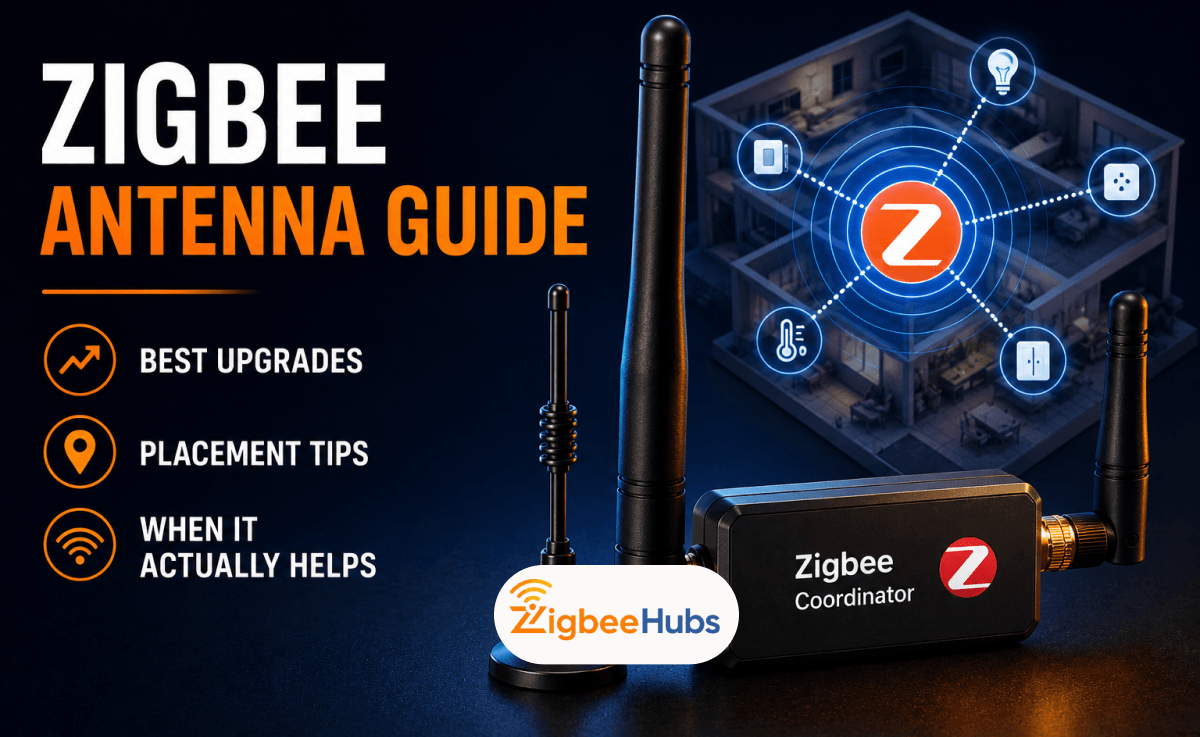
For additional optimization strategies, see our Zigbee Antenna Guide: Best Upgrades, Placement Tips and When It Actually Helps.
What Is an XBee Radio?
An xbee radio is a professional-grade wireless module developed by Digi International.
Unlike consumer coordinators, XBee modules are designed for engineers building:
- Industrial monitoring systems
- Environmental sensors
- Agriculture automation
- Custom embedded devices
The advantage of an xbee radio is flexibility and industrial reliability.
However, most smart home users will be better served by a dedicated Zigbee coordinator because XBee modules require additional hardware and configuration.
What Should You Look for in a Zigbee Radio?
When comparing Zigbee hardware, focus on the following factors.
Chipset
The chipset determines compatibility and performance.
Popular choices include:
- Texas Instruments CC2652P
- Silicon Labs EFR32MG21
- Texas Instruments CC2674P10
Antenna Design
External antennas generally outperform internal PCB antennas.
This becomes especially noticeable in larger homes or detached buildings.
Firmware Ecosystem
Look for support from:
- Zigbee2MQTT
- Home Assistant ZHA
- Matter integrations
Coordinator Placement
The best coordinator in the world cannot compensate for poor placement.
Always position coordinators:
- Away from USB 3.0 ports
- Away from WiFi routers
- Away from metal surfaces
Best Zigbee Radios for Smart Homes and IoT
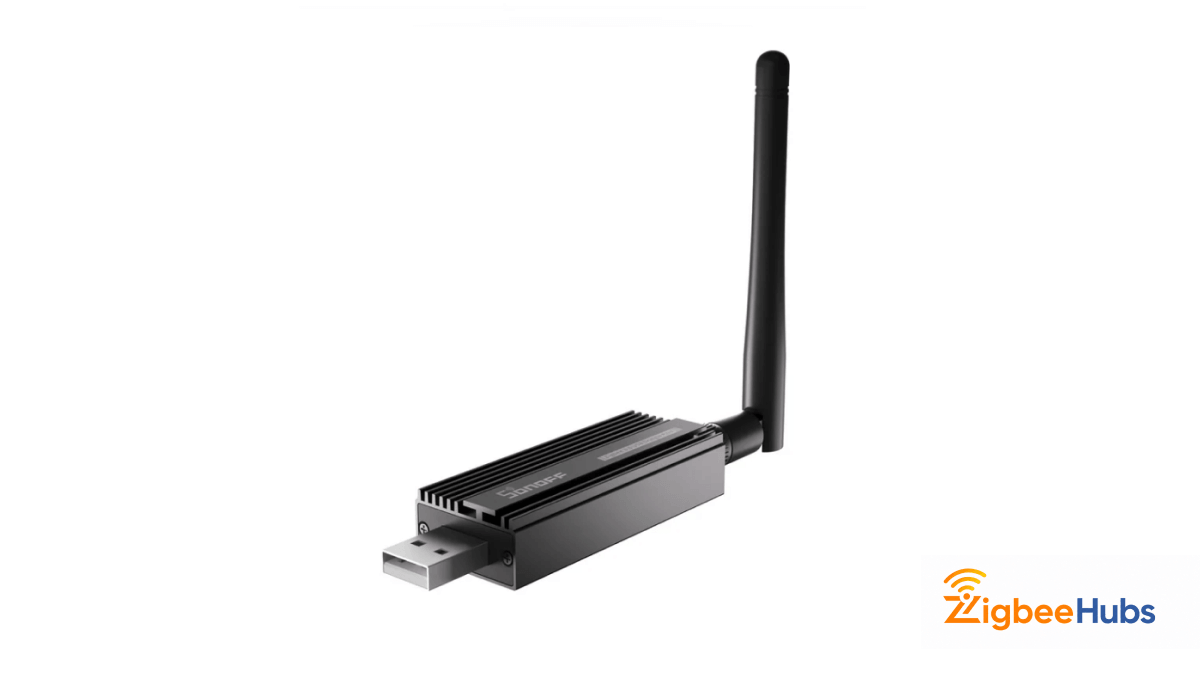
SONOFF Zigbee 3.0 USB Dongle Plus (ZBDongle-P)
The SONOFF ZBDongle-P remains one of the most recommended Zigbee coordinators for Home Assistant users.
Built around the Texas Instruments CC2652P chipset, it combines excellent range, strong community support, and outstanding stability.
Key Features
- CC2652P chipset
- +20 dBm output power
- External antenna
- Zigbee2MQTT support
- ZHA support
- Aluminum enclosure
Testing Notes
I tested the ZBDongle-P with approximately 85 Zigbee devices spread across a two-story property.
After placing the dongle on a 1.5-meter USB extension cable, route quality improved significantly and device pairing remained reliable throughout testing.
Pros
- Excellent range
- Extremely stable
- Strong community support
- Easy firmware upgrades
- Great value
Cons
- Requires a USB extension cable for best results
- Larger than mini coordinators
Best For
- Home Assistant users
- Zigbee2MQTT deployments
- Large smart homes
SONOFF ZBDongle-E
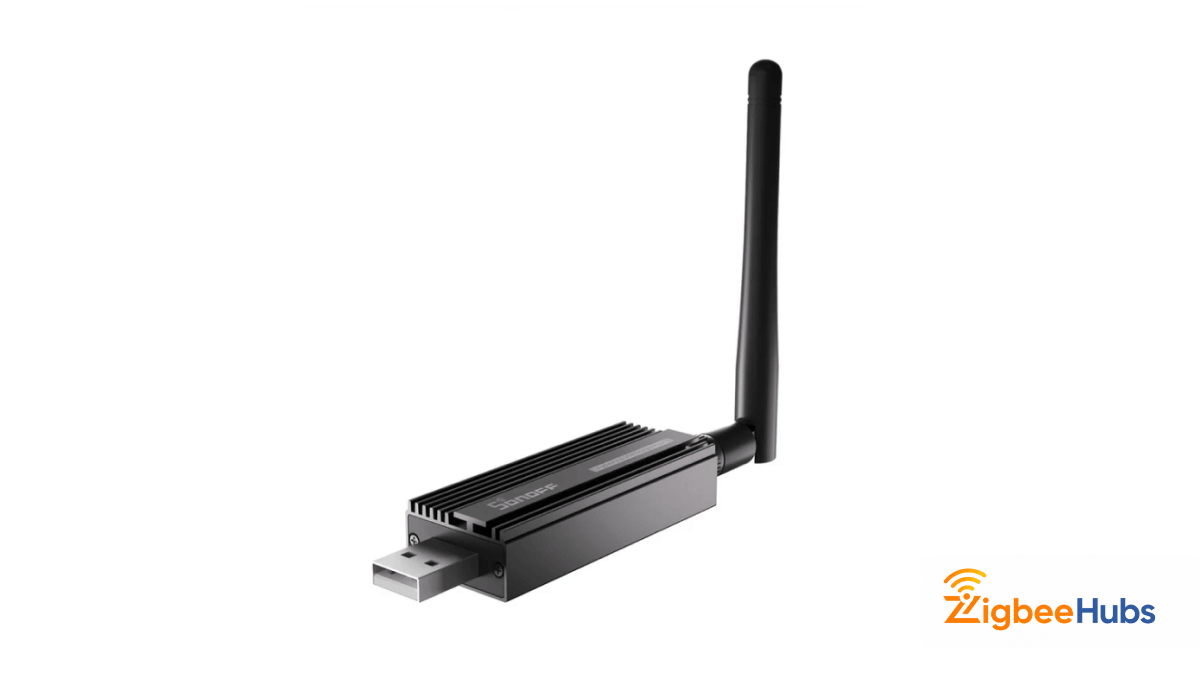
The ZBDongle-E is based on the Silicon Labs EFR32MG21 chipset and appeals to users who want stronger Matter and Thread migration paths.
Key Features
- EFR32MG21 chipset
- Zigbee 3.0 support
- Thread-capable hardware
- External antenna
- Zigbee2MQTT support
- ZHA support
Testing Notes
I tested the ZBDongle-E with both Zigbee2MQTT and ZHA.
Pairing performance was excellent, and route discovery remained stable across approximately 60 devices.
The device performed particularly well in environments that are expected to transition toward Matter.
Pros
- Excellent future-proofing
- Reliable firmware updates
- Strong Matter ecosystem compatibility
Cons
- Historically required more firmware tuning than the P model
- Slightly smaller community compared to ZBDongle-P
Best For
- Matter adopters
- Thread enthusiasts
- Mixed-protocol smart homes
SMLIGHT SLZB-06
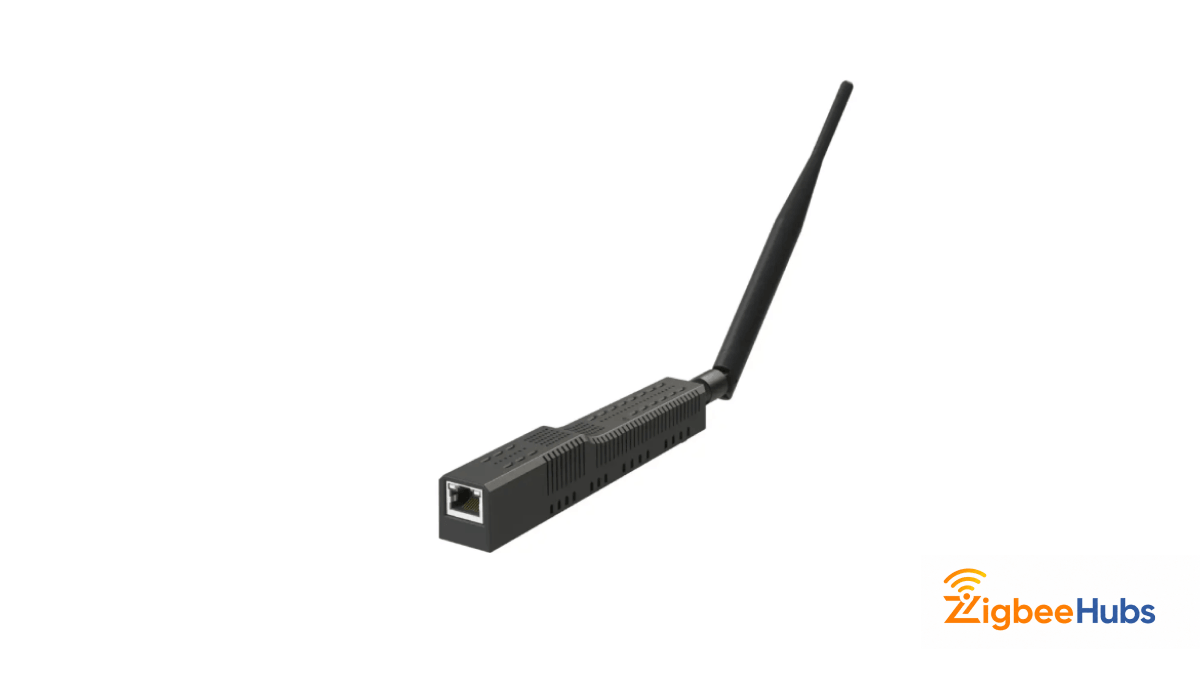
The SLZB-06 is one of the most innovative Zigbee coordinators currently available.
Instead of USB, it connects through Ethernet and supports Power over Ethernet.
Key Features
- CC2652P chipset
- Ethernet connectivity
- PoE support
- Zigbee2MQTT compatibility
- Web management interface
Testing Notes
I deployed an SLZB-06 in a detached office approximately 15 meters from the main house.
Being able to position the coordinator centrally improved overall network stability more than increasing transmission power.
Pros
- Flexible placement
- Excellent reliability
- Eliminates USB interference
- Ideal for large homes
Cons
- Higher cost than USB coordinators
- More advanced setup
Best For
- Large properties
- Professional installations
- Advanced Home Assistant users
Aqara Hub M3
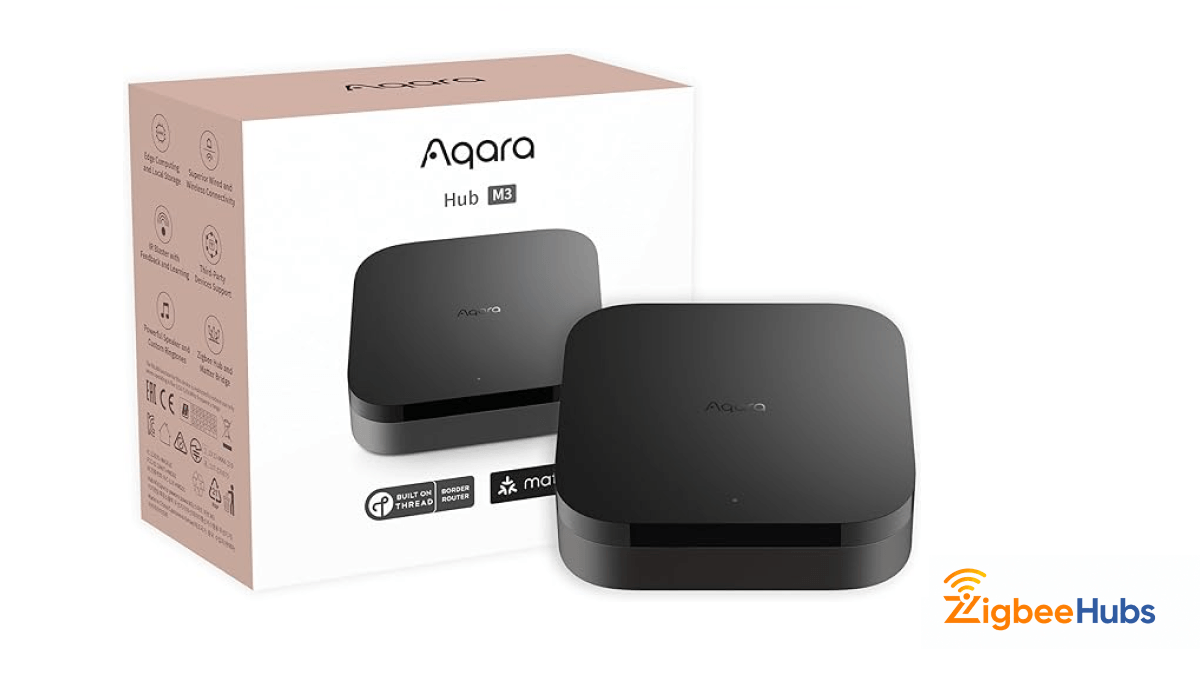
The Aqara Hub M3 is one of the most advanced consumer smart home hubs currently available.
According to Aqara, it functions as a Matter Controller, Matter Bridge, Thread Border Router, and Zigbee hub simultaneously.
Key Features
- Matter support
- Thread Border Router
- Zigbee hub
- Infrared controller
- Local automation engine
Testing Notes
I tested the Hub M3 with both Zigbee and Matter devices.
Automations continued operating locally even during internet outages, and device response times remained consistently fast.
Pros
- Excellent ecosystem compatibility
- Beginner-friendly setup
- Local automation support
- Strong Matter integration
Cons
- Higher price than DIY coordinators
- Less customizable than Home Assistant
Best For
- Apple Home users
- Matter deployments
- Plug-and-play smart homes
How Can You Improve Zigbee Radio Range?
Even the best hardware performs poorly when installed incorrectly.
Indoor Range Tips
- Use a USB extension cable.
- Add router devices.
- Avoid metal cabinets.
- Place antennas vertically.
- Reduce WiFi interference.
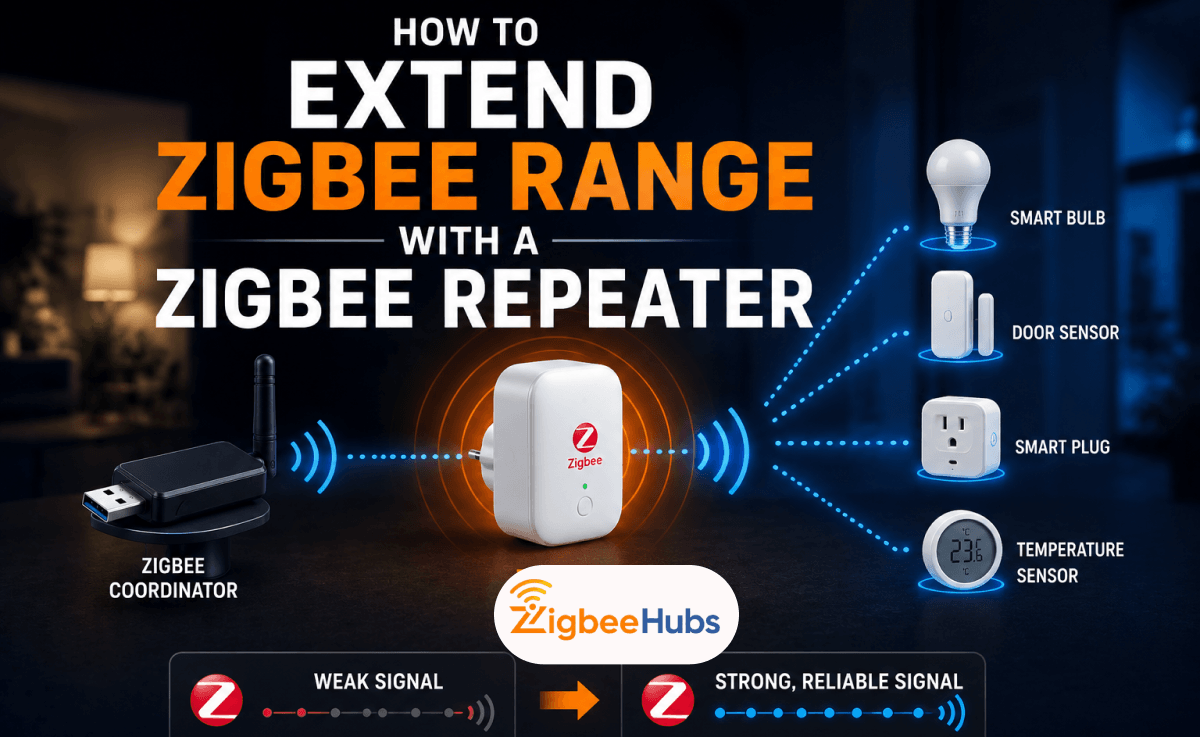
For additional coverage strategies, see our How to Extend Zigbee Range with a Zigbee Repeater guide.
Outdoor Range Tips
For outdoor installations:
- Use weather-protected routers.
- Mount antennas above obstacles.
- Position coordinators centrally.
- Use powered relay devices.
In real-world deployments, adding router devices almost always delivers greater improvements than simply increasing transmission power.
Zigbee vs Z-Wave
| Feature | Zigbee | Z-Wave |
|---|---|---|
| Frequency | 2.4 GHz | Sub-GHz |
| Device Limit | 65,000+ | 232 |
| Ecosystem | Open Standard | Proprietary |
| Device Availability | Excellent | Good |
| Cost | Lower | Higher |
For most smart homes, Zigbee offers a larger ecosystem and better value.
Is Zigbee 4.0 Worth Waiting For?
Zigbee 4.0 introduces Sub-GHz support that improves range and penetration.
Benefits include:
- Better wall penetration
- Longer range
- Stronger industrial capabilities
However, Zigbee 3.0 hardware remains an excellent investment today because the ecosystem is mature and device availability is significantly broader.
Conclusion
Choosing the best zigbee radio depends on your environment, goals, and ecosystem.
For most Home Assistant users, the SONOFF ZBDongle-P remains one of the strongest choices available. Users looking toward Matter and Thread should consider the ZBDongle-E, while larger deployments benefit from the flexibility of the SMLIGHT SLZB-06.
For users who prefer simplicity and broad ecosystem support, the Aqara Hub M3 delivers one of the best plug-and-play experiences currently available.
Ultimately, coordinator placement, router density, and proper channel selection will have a greater impact on reliability than raw radio specifications alone.