Best Zigbee Sensors in 2026

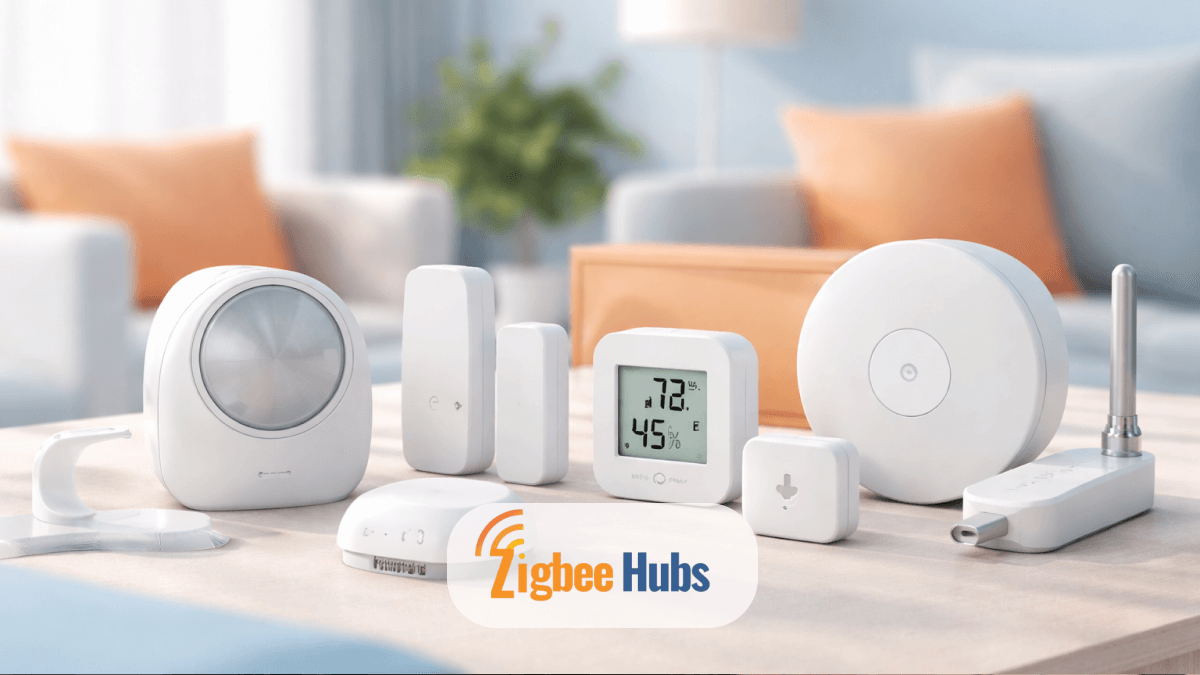
The best zigbee sensors in 2026 combine long battery life, strong mesh reliability, fast response times, and wide ecosystem support (Home Assistant, Alexa, SmartThings, and Matter bridges). Top categories include motion, presence, temperature, humidity, door/contact, water leak, and multisensors, all designed for secure, local automation.
Key Takeaways
- Zigbee uses a self-healing mesh network for stable local control.
- Most battery-powered sensors last 2–5 years.
- mmWave presence sensors outperform PIR for occupied rooms.
- Climate sensors now reach ±0.2–0.3°C accuracy.
- Proper channel planning reduces 2.4GHz interference.
- A strong coordinator (hub or dongle) is critical for performance.
What Is a Zigbee Sensor and How Does It Work?
A Zigbee sensor is a low-power wireless device that detects changes like motion, temperature, humidity, water leaks, or door openings. It sends small encrypted data packets over a Zigbee mesh network to a hub or coordinator.
Unlike Wi-Fi devices, Zigbee devices do not overload your router. Instead, mains-powered devices (like smart plugs) act as repeaters, strengthening coverage. This creates a stable, scalable system ideal for large homes.
Pro Tip: Always include at least one powered Zigbee device per room to improve signal routing.
Why Choose Zigbee in 2026?
In 2026, Zigbee remains one of the most reliable smart home protocols. Over one billion Zigbee chips power global IoT deployments. The key reasons to choose Zigbee:
1. Self-Healing Mesh - If one device drops offline, traffic reroutes automatically.
2. Local Automation - Automations continue working even if the internet goes down.
3. Security - Zigbee 3.0 uses AES-128 encryption for secure communication.
4. Battery Efficiency - Devices use deep sleep modes, enabling multi-year battery life.
Limitation to Note: Zigbee operates on 2.4GHz, the same band as Wi-Fi. Poor channel planning can cause interference.
What are Best Zigbee Motion Sensors and Presence Detectors?
Motion detection forms the backbone of automation.
1. Aqara Zigbee Motion Sensor P1
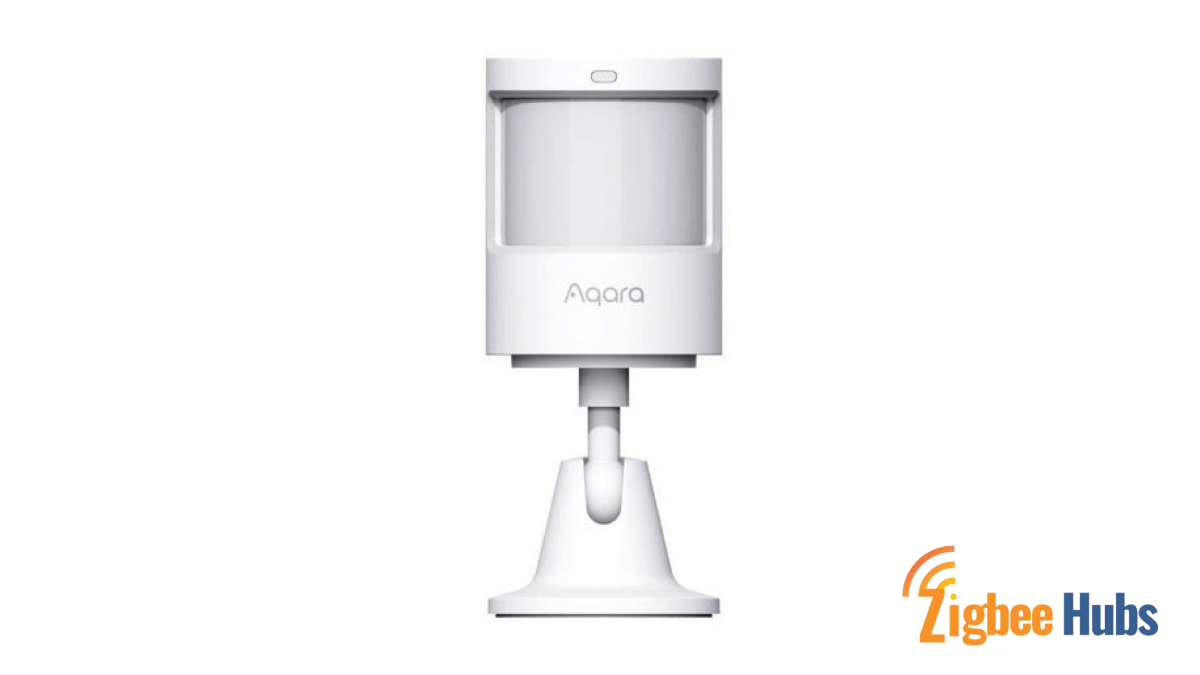
A highly customizable zigbee motion sensor designed for reliability.
Key Features
- 170° viewing angle
- Adjustable sensitivity
- Built-in luminance sensor
Pros
- Up to 5-year battery life.
- Works with HomeKit, Alexa, IFTTT.
- Adjustable detection timeout.
- Strong ecosystem integration.
Cons
- Range may vary in thick-wall environments.
- Adhesive mounting may weaken over time.
- Requires Zigbee hub for full functionality.
Best For: Hallways, bathrooms, staircases.
2. Aqara Presence Sensor FP2
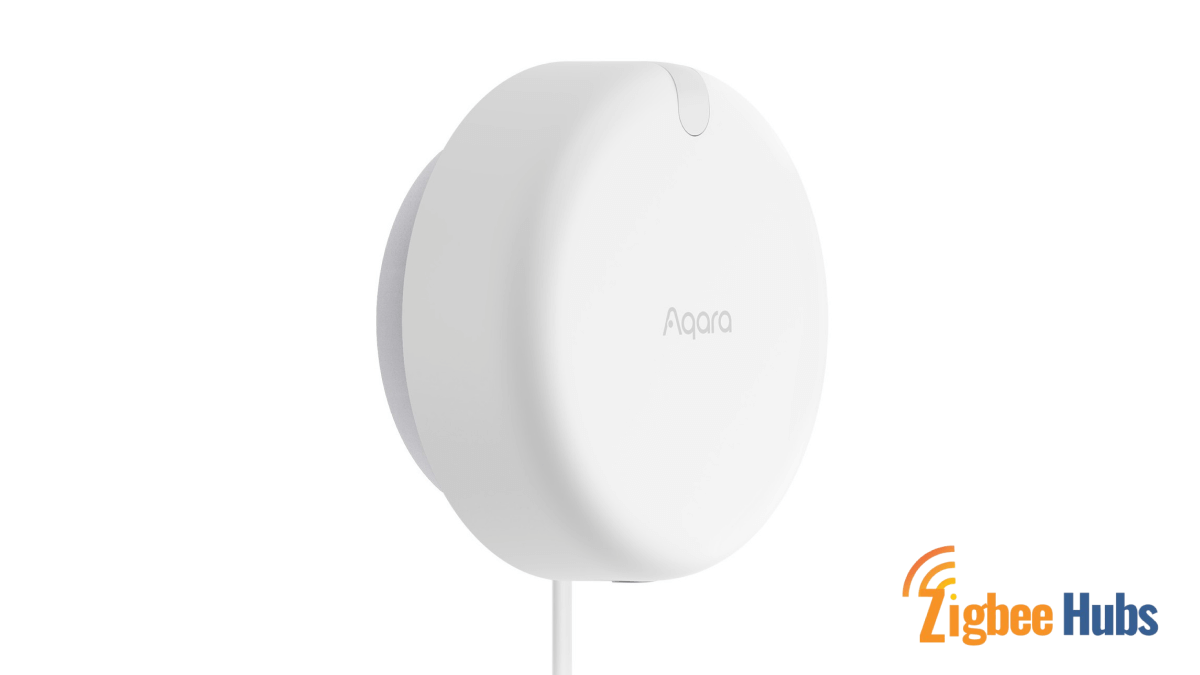
An advanced mmWave presence sensor.
Key Features
- Multi-zone detection (40㎡)
- Tracks up to five people
- Fall detection capability
Pros
- Detects micro-movements like breathing.
- No camera (privacy friendly).
- Matter compatibility via Wi-Fi.
- Highly accurate zone mapping.
Cons
- Requires constant power.
- Higher cost.
- Setup calibration takes time.
Best For: Living rooms, offices, home theaters.
3. SONOFF SNZB-06P Presence Sensor
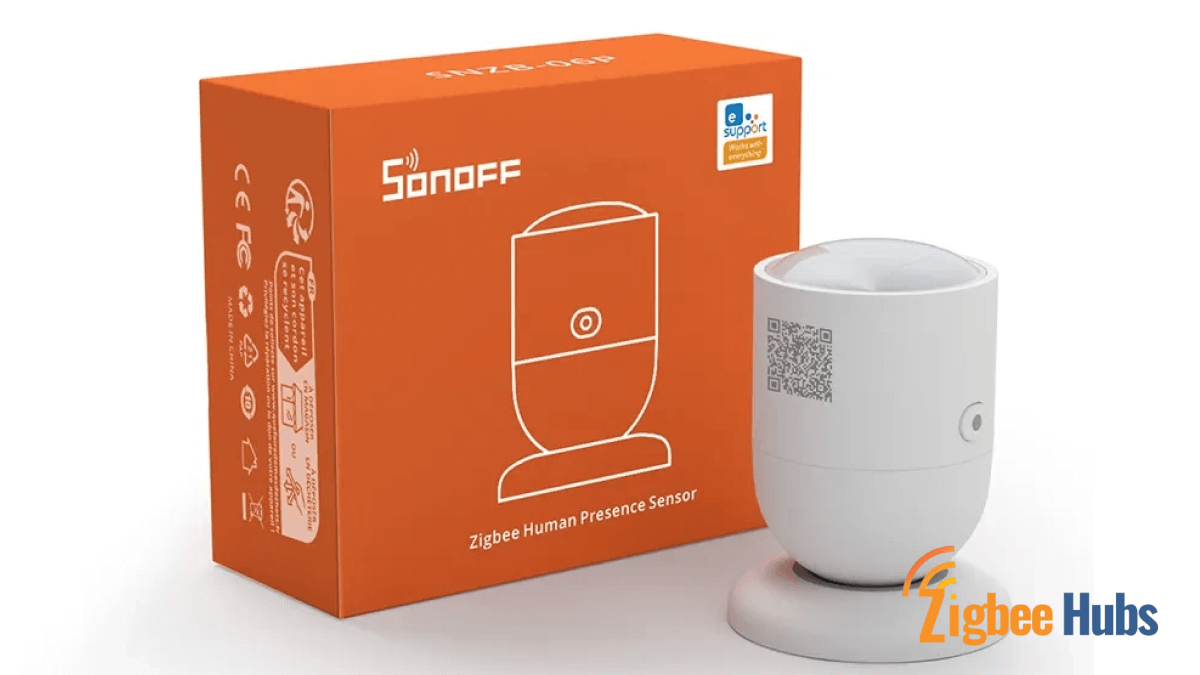
Budget-friendly radar-based detection.
Key Features
- 5.8 GHz mmWave radar presence detection
- Detects both movement and stationary presence
- Built-in ambient light sensor
- Zigbee 3.0 connectivity
- Detection distance up to 4 m
- Adjustable sensitivity levels
- Compatible with Home Assistant, Alexa, SmartThings, Google Home
- Powered via USB-C (5V)
Pros
- Faster than PIR.
- No camera (privacy friendly).
- Reliable occupancy state reporting.
- Works well with Home Assistant.
Cons
- Fixed ambient light thresholds.
- Limited advanced customization
Best Zigbee Temperature and Humidity Sensors
A quality zigbee temperature sensor helps automate HVAC, fans, and humidifiers.
4. SONOFF SNZB-02D (LCD Smart Sensor)
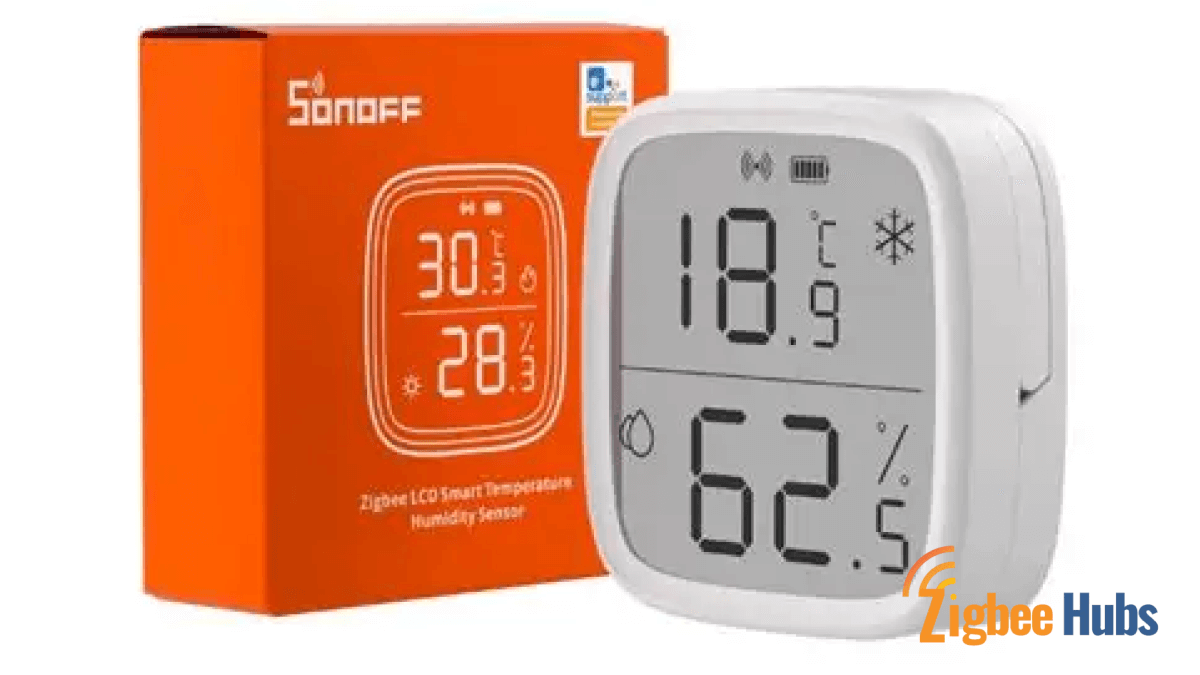
A feature-rich zigbee hygrometer with visual display.
Key Features
- 2.5-inch LCD
- Swiss sensor
- 5-second refresh rate
Pros
- ±0.2°C accuracy.
- 120m coverage.
- Easy battery visibility.
- Quick reporting interval.
Cons
- LCD reduces battery life slightly.
- Requires hub for remote access.
- Larger size than minimalist models.
5. Aqara Temperature and Humidity Sensor
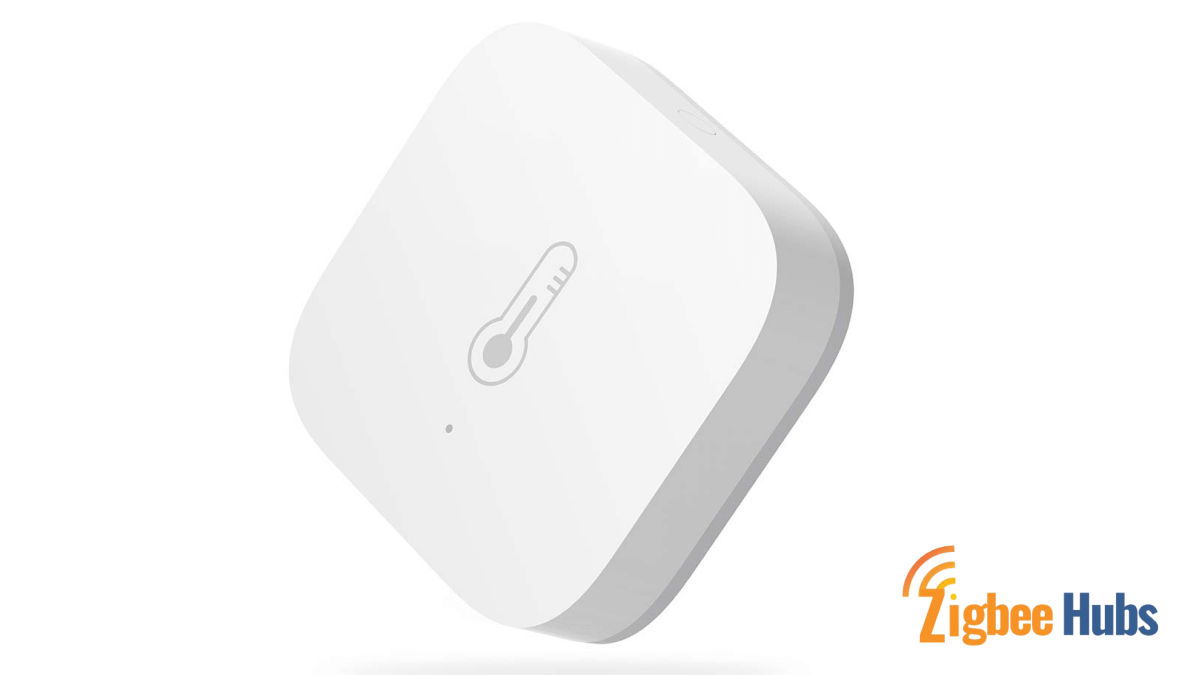
Compact, highly accurate.
Key Features
- Accurate temperature monitoring.
- Humidity measurement.
- Atmospheric pressure sensor.
- Zigbee low-power communication.
- Long battery life (up to ~2 years).
- Compact and discreet design.
- Works with Aqara Hub, Home Assistant, SmartThings.
Pros
- ±0.3°C accuracy.
- ±3% humidity precision.
- Built-in air pressure sensor.
- Historical data tracking.
Cons
- Best within Aqara ecosystem.
- Occasional reporting delays.
- No built-in display.
6. ThirdReality Temperature & Humidity Sensor Lite
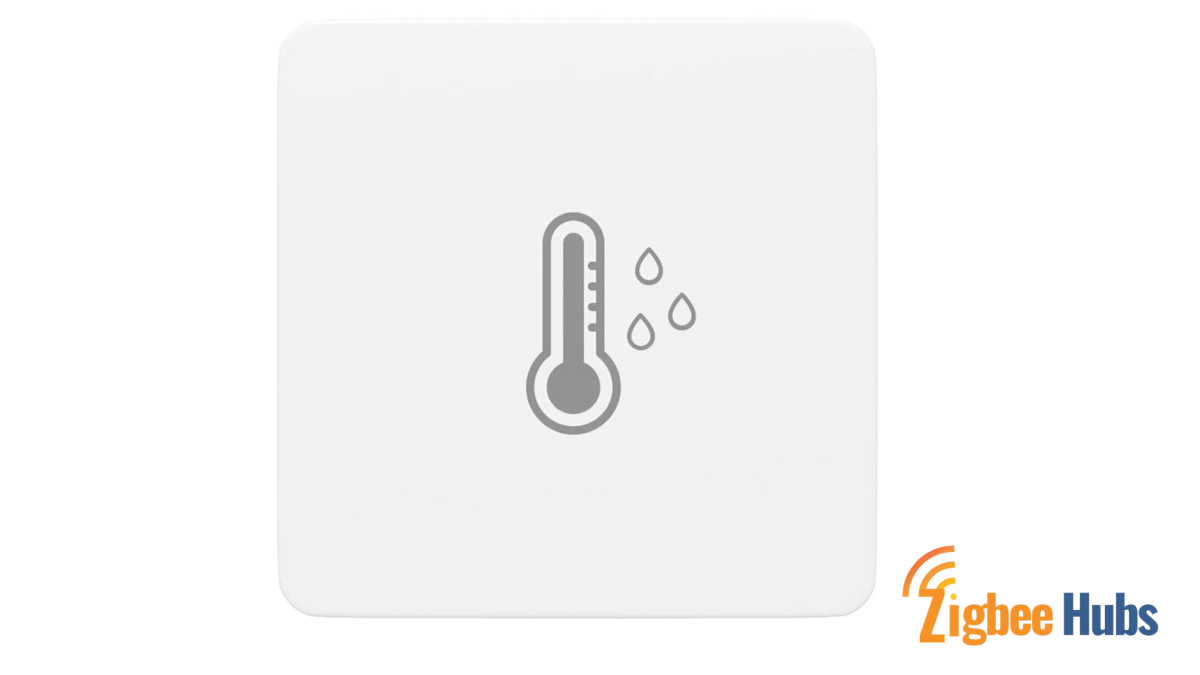
Simple and reliable zigbee temp sensor.
Key Features
- Measures temperature and humidity.
- Zigbee connectivity.
- Fast sensor refresh updates.
- Long battery life using AAA batteries.
- Works with Echo devices with Zigbee hub.
- Compatible with SmartThings, Hubitat, Home Assistant.
Pros
- 2-year AAA battery life.
- Easy pairing.
- Built-in air pressure sensor.
- Broad compatibility.
Cons
- No display.
- Fixed refresh interval.
Best Zigbee Door and Window Sensors
A zigbee door sensor (also called a zigbee contact sensor) secures entry points and improves energy efficiency.
7. ThirdReality Zigbee Contact Sensor
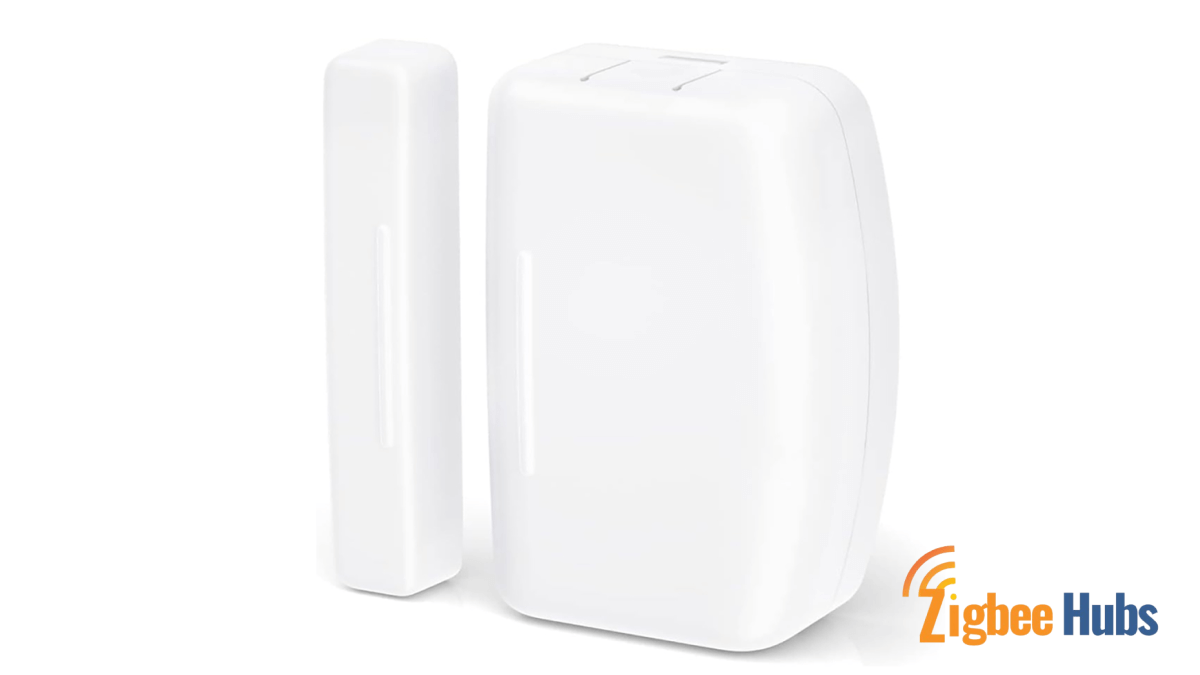
The ThirdReality Zigbee Contact Sensor detects when a door or window opens or closes. It is commonly used for home security alerts and automation triggers such as turning lights on when a door opens.
Key Features
- Detects door or window open/close events.
- Zigbee standard compatibility.
- Works with Echo devices with built-in Zigbee hubs.
- Compatible with Home Assistant, SmartThings, Hubitat.
- Quick installation using adhesive mounting.
- Up to 2-year battery life.
- Supports automation routines and alerts.
Pros
- Quick setup.
- Two-year battery life.
- Fast breach notifications.
- Strong Alexa compatibility.
Cons
- Indoor only.
- Limited tamper detection.
8. OUVOPO Zigbee Contact Sensor
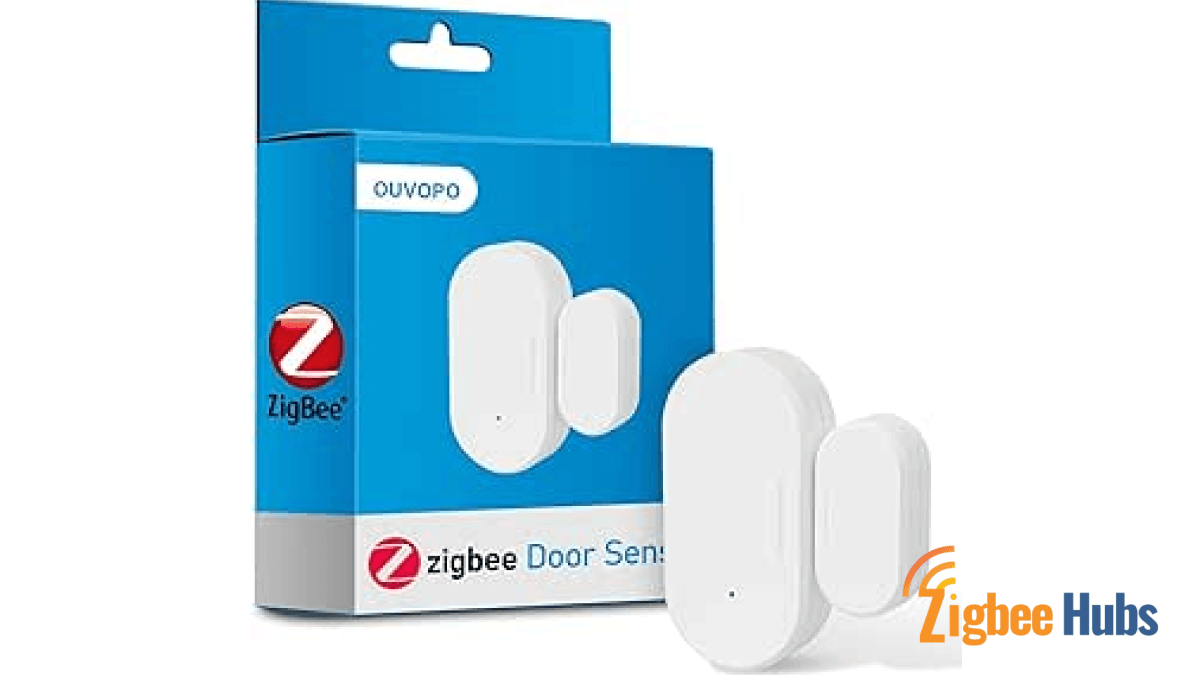
Compact and cost-effective.
Key Features
- Detects door and window open/close status.
- Zigbee wireless connectivity for stable mesh networking.
- Works with Home Assistant, SmartThings, Hubitat, Aeotec hubs, and Alexa devices with Zigbee.
- Battery-powered design for long operation.
- Compact two-piece magnetic sensor.
- Supports automation triggers and security alerts.
- Easy adhesive installation without wiring.
Pros
- Sleek design.
- Low power usage.
- Works with Home Assistant.
Cons
- Basic feature set.
- No vibration detection.
Specialty Zigbee Sensors
Zigbee Water Leak Sensors
A zigbee water sensor prevents major damage.
Key Features
- Gold-plated probes
- Instant alerts
Pros
- Can prevent costly repairs.
- Long battery life.
- Loud built-in alarms (on some models).
Cons
- Must be placed at floor level.
- False alerts possible with condensation.
Best Placement: Under sinks, near washing machines, water heaters.
Zigbee Rain Sensor
A zigbee rain sensor detects rainfall to automate irrigation systems or close smart windows.
Pros
- Prevents overwatering.
- Ideal for greenhouse automation.
Cons
- Exposture can shorten lifespan.
Owon Zigbee Multisensor
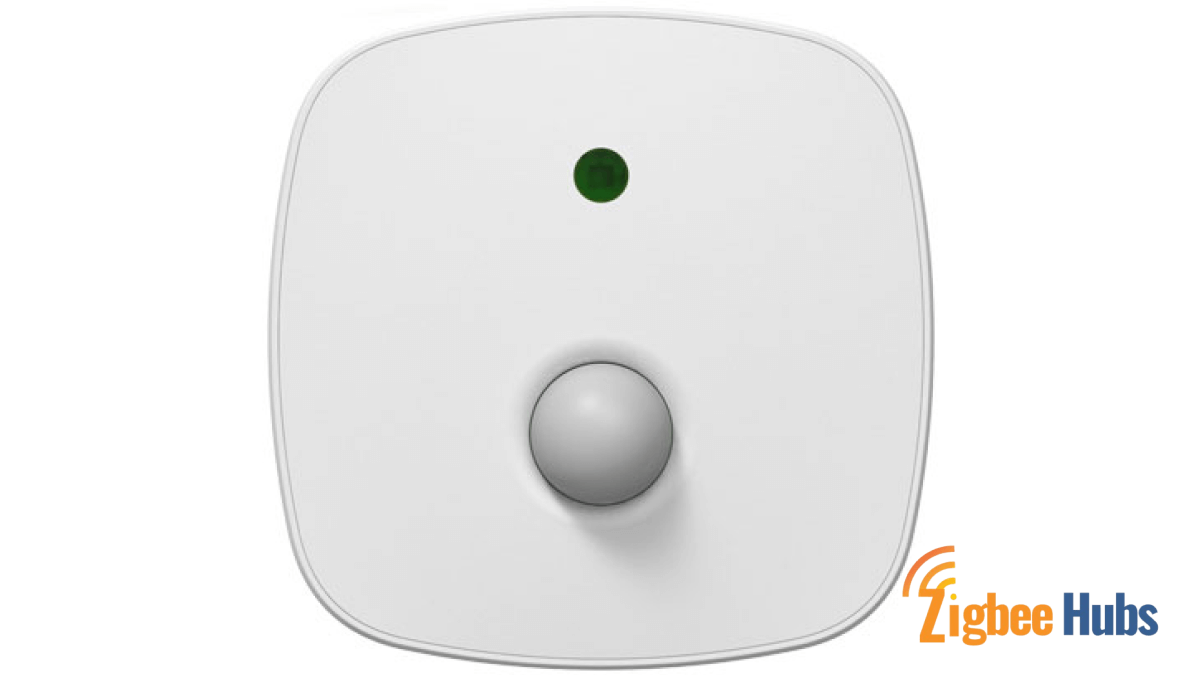
A versatile zigbee multisensor combining motion, temperature, humidity, and light.
Key Features
- Motion detection.
- Temperature monitoring.
- Humidity sensing.
- Ambient light detection.
- Zigbee mesh networking.
- Multi-sensor automation support.
- Works with Zigbee hubs like SmartThings and Home Assistant.
Pros
- Reduces wall clutter.
- Centralized monitoring.
Cons
- Larger device footprint.
- If one sensor fails, entire unit may need replacement.
Essential Infrastructure: Choosing the Right Hub
No zigbee sensors setup works without a strong coordinator, thus a Zigbee Hub.
Aeotec Smart Home Hub
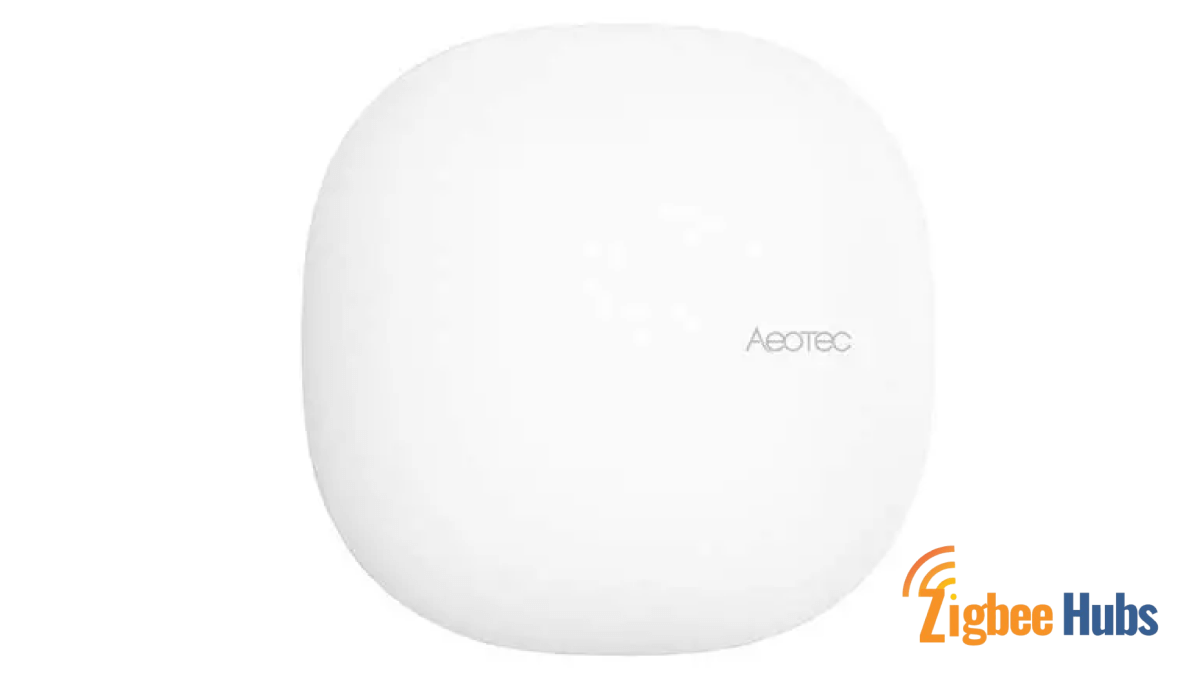
Supports Zigbee, Z-Wave, and Matter.
Key Features
- Supports Zigbee, Z-Wave, Matter, Thread, and Wi-Fi.
- Connects thousands of compatible devices.
- Local automation support.
- Controlled via SmartThings app.
- Works with Alexa and Google Assistant.
- Secure smart home management.
- Central automation engine.
This is one of the best Zigbee hubs in the market as of 2026.
Pros
- Works with 5,000+ devices.
- Local automations.
- Reliable firmware updates.
Cons
- Ethernet required.
- Initial setup complexity.
ZB-GW04 Zigbee Dongle
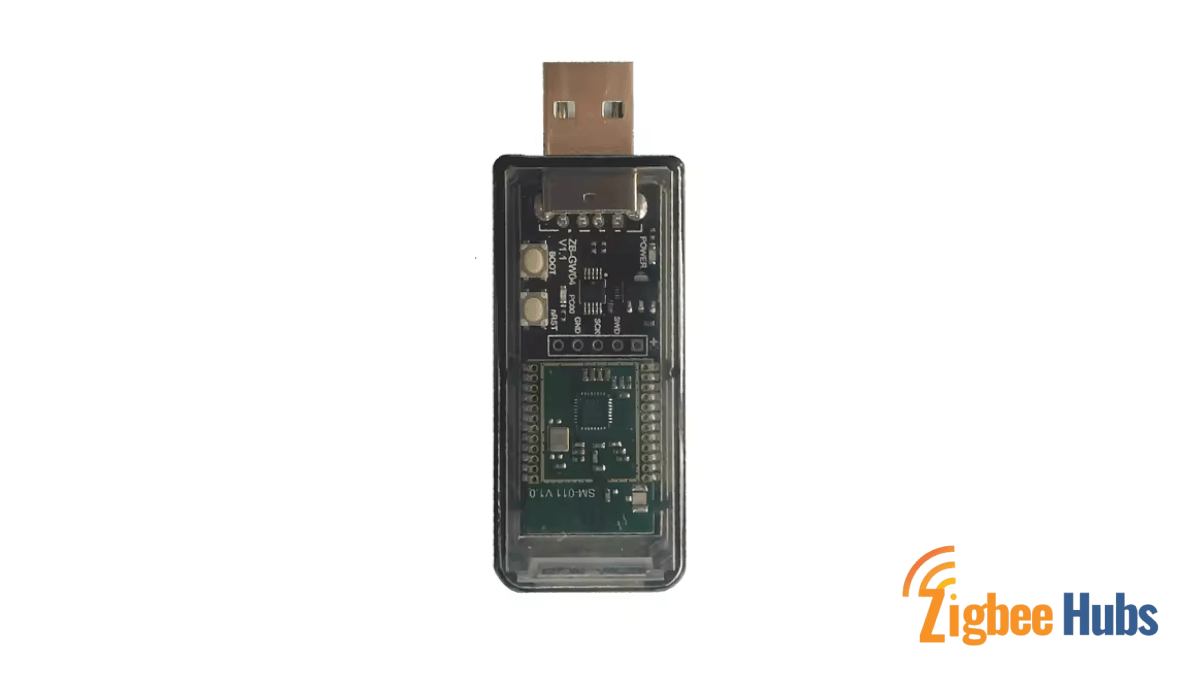
Ideal for Home Assistant users.
Key Features
- USB Zigbee coordinator.
- Compatible with Zigbee2MQTT and ZHA.
- Supports Zigbee 3.0 devices.
- Ideal for Home Assistant setups.
- Low-cost Zigbee gateway solution.
- Enables local smart home automation.
- Easy integration with Raspberry Pi or mini-PC hubs.
Pros
- Cost-friendly.
- Stable with 30+ devices.
- Works with ZHA and Zigbee2MQTT.
Cons
- No plug-and0play mobile app.
- Firmware flashing may be needed.
Expert Tip: For large deployments, use Zigbee2MQTT and select channels 15, 20, or 25 to reduce Wi-Fi interference.
You might be interested:
Comparison of the Best Zigbee Sensors
| Category | Top Pick | Standout Feature | Protocol |
|---|---|---|---|
| Motion | Aqara P1 | 5-Year Battery | Zigbee 3.0 |
| Presence | SONOFF SNZB-06P | Radar Detection | Zigbee 3.0 |
| Climate | SNZB-02D | LCD Display | Zigbee 3.0 |
| Door | ThirdReality | Easy Pairing | Zigbee |
| Water | Generic Leak Sensors | Instant Alerts | Zigbee |
What are Some Deployment Tips for a Stable Zigbee Network?
- Add repeaters – Smart plugs extend range.
- Avoid channel overlap – Use Wi-Fi channels 1, 6, 11.
- Replace batteries early – Especially for water sensors.
- Keep firmware updated – Improves routing stability.
- Space routers evenly – Avoid single-point failure.
Conclusion
The best zigbee sensors in 2026 deliver precision, long battery life, and reliable local automation. By combining motion detection, climate monitoring, water protection, and strong mesh planning, you create a smart home that reacts instantly and stays stable for years.
Build your network thoughtfully, choose accurate sensors, and prioritize strong routing, your automation system will reward you with performance, security, and peace of mind.