Best Zigbee Gateways for Home Assistant in 2026

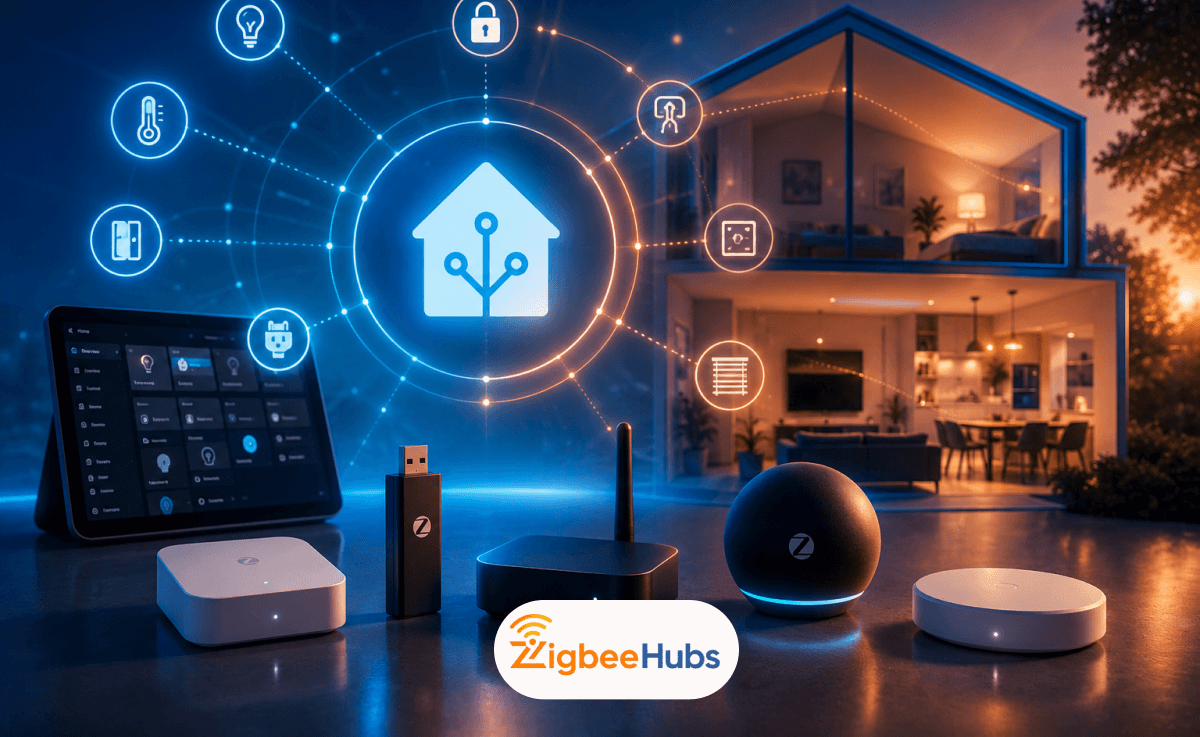
If you want the most reliable Zigbee network possible, the best Zigbee gateways for Home Assistant in 2026 are the SMLIGHT SLZB-06, SONOFF ZBDongle-P, SONOFF Zigbee Bridge Pro, Robustel EG5120, and Aqara Hub M3. Each serves a different type of user, from beginners running Home Assistant on a Raspberry Pi to advanced users building large-scale smart homes with hundreds of devices.
Key Takeaways
- The SMLIGHT SLZB-06 is the best overall Zigbee gateway for Home Assistant.
- The SONOFF ZBDongle-P offers the best value for most users.
- PoE gateways help eliminate USB interference issues.
- Zigbee2MQTT and ZHA both support the gateways listed here.
- Aqara Hub M3 is ideal for users investing in Matter and Thread.
- Industrial gateways like the Robustel EG5120 provide enterprise-grade reliability.
What Is a Zigbee Gateway for Home Assistant?
A Home Assistant Zigbee Gateway acts as the coordinator of your Zigbee network. It connects Zigbee devices such as sensors, switches, locks, and lights to Home Assistant.
Think of it as the central translator. Your Zigbee devices communicate with the gateway, and the gateway communicates with Home Assistant.
Unlike proprietary hubs that lock you into a single ecosystem, a dedicated Zigbee Hub Home Assistant setup allows devices from different manufacturers to work together inside one automation platform.
In my experience, the coordinator is one of the most important pieces of hardware in a smart home. A poor coordinator often causes dropped devices, delayed automations, and frustrating troubleshooting sessions.
What Are the Best Zigbee Gateways for Home Assistant in 2026?
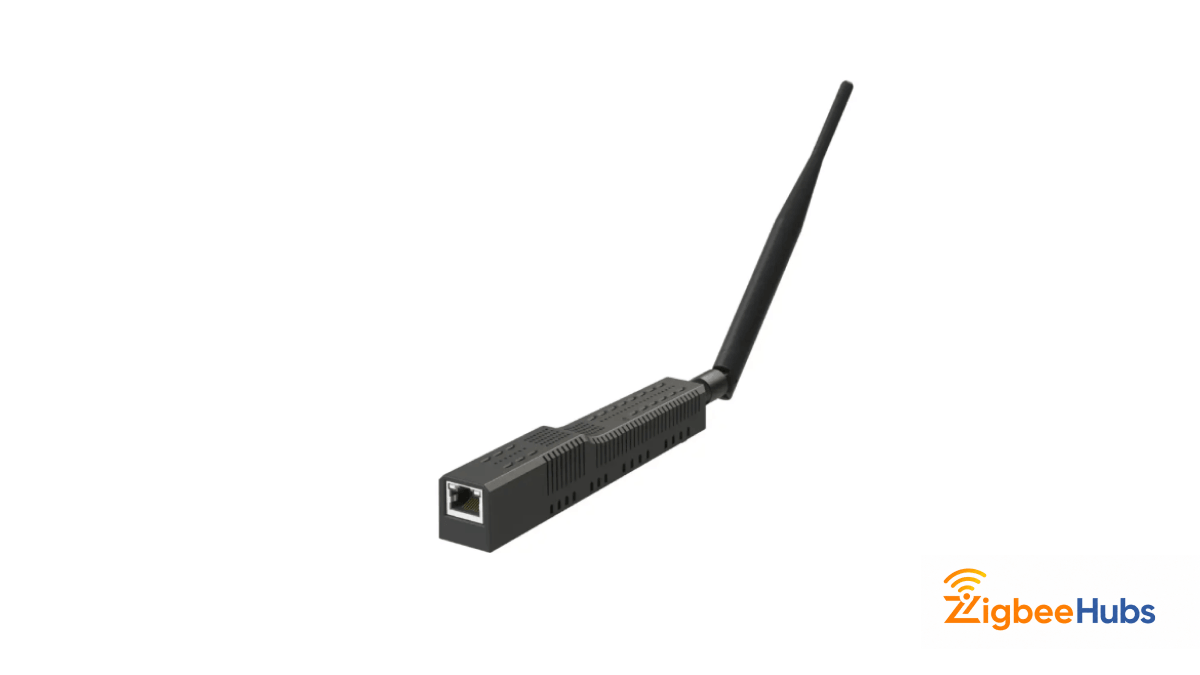
⭐SMLIGHT SLZB-06 Zigbee LAN Coordinator
After testing multiple coordinators, the SMLIGHT SLZB-06 is the one I recommend most often for serious Home Assistant installations. The ability to connect through Ethernet and PoE allows you to place the coordinator exactly where Zigbee coverage is strongest rather than next to your server.
This dramatically reduces interference problems that commonly affect USB coordinators.
Key Features
- Zigbee 3.0 coordinator
- Power over Ethernet (PoE)
- Ethernet, Wi-Fi, and USB connectivity
- Compatible with ZHA
- Compatible with Zigbee2MQTT
- Web-based management interface
- Easy firmware updates
Pros
- Excellent network stability
- Flexible installation options
- Eliminates most USB interference issues
- Ideal for large homes
- Strong community support
Cons
- Higher cost than USB dongles
- Slightly more complex initial setup
Best For
Users building large Zigbee networks with 50+ devices or multi-floor homes.
 Ishara Fernando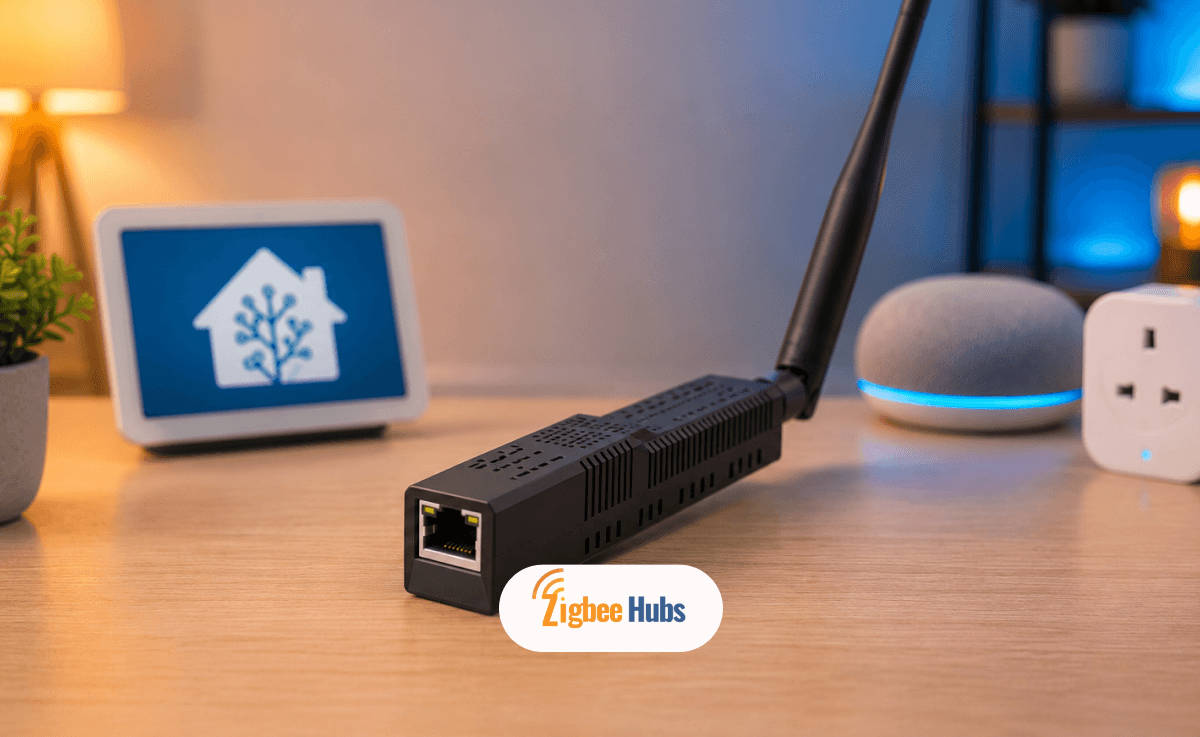
2. SONOFF Zigbee 3.0 USB Dongle Plus (ZBDongle-P)
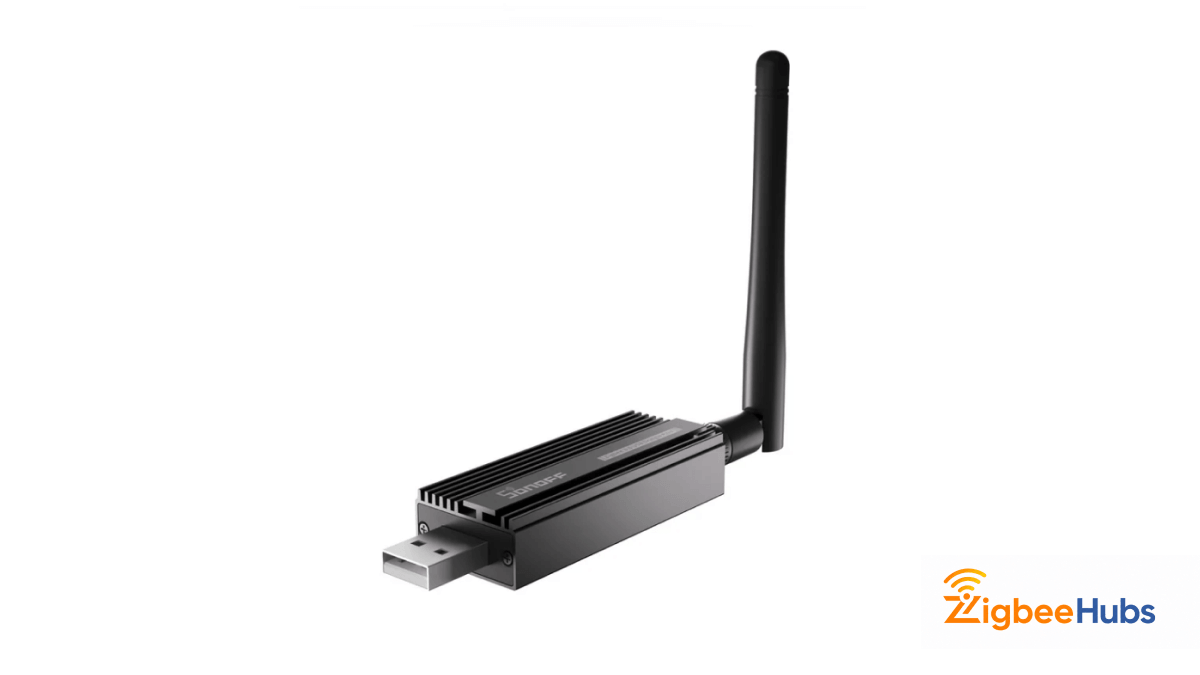
The SONOFF ZBDongle-P remains one of the easiest recommendations for beginners and enthusiasts alike. I have deployed this coordinator in several Home Assistant installations, and it consistently delivers excellent range and reliability.
The external antenna makes a noticeable difference compared to coordinators with internal antennas.
Key Features
- Texas Instruments CC2652P chipset
- External antenna
- Zigbee 3.0 support
- Zigbee2MQTT support
- ZHA support
- Aluminum enclosure
Pros
- Outstanding value for money
- Easy setup process
- Excellent compatibility
- Large community support
- Reliable firmware updates
Cons
- Can suffer USB interference without an extension cable
- Requires physical proximity to the Home Assistant server
Best For
Most Home Assistant users looking for the best balance of price, performance, and simplicity.
 Sarah Diyana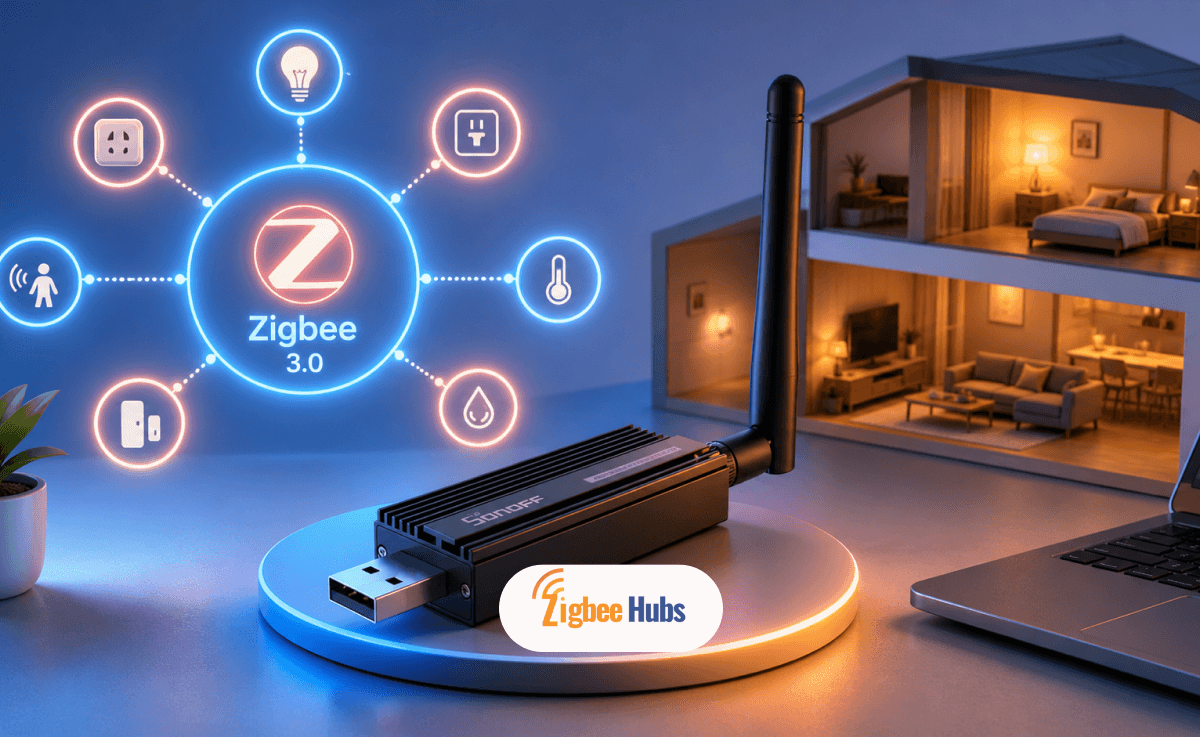
3. SONOFF Zigbee Bridge Pro (ZBBridge-P)
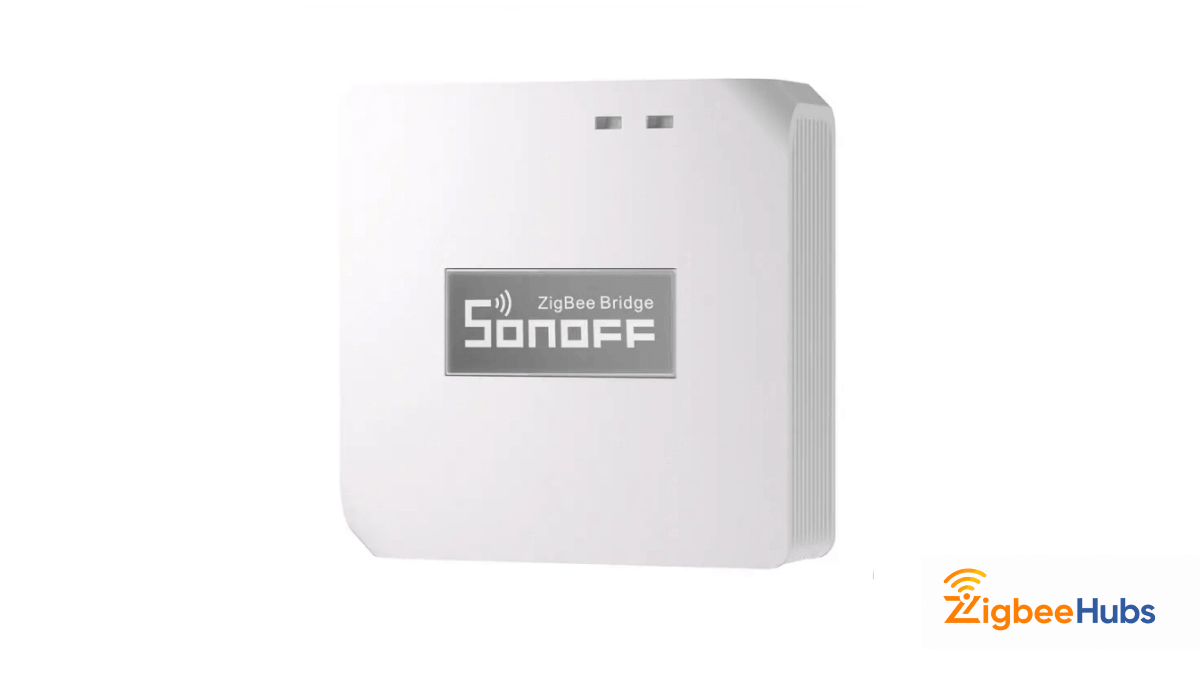
The Sonoff Zigbee Bridge Home Assistant users often consider is the Zigbee Bridge Pro. Unlike USB coordinators, this device connects through Wi-Fi, making installation more flexible.
I particularly like it for smaller apartments where running Ethernet cables or positioning USB dongles can be inconvenient.
Key Features
- Zigbee 3.0 support
- Wi-Fi connectivity
- Compact design
- Supports up to 128 devices
- Affordable pricing
Pros
- Simple deployment
- No USB port required
- Compact footprint
- Budget-friendly option
Cons
- Less flexible than dedicated coordinators
- Limited firmware options compared to Zigbee2MQTT coordinators
- Wi-Fi dependency introduces another layer of complexity
Best For
Apartment owners and users wanting a compact wireless solution.
4. Robustel EG5120 Industrial IoT Gateway
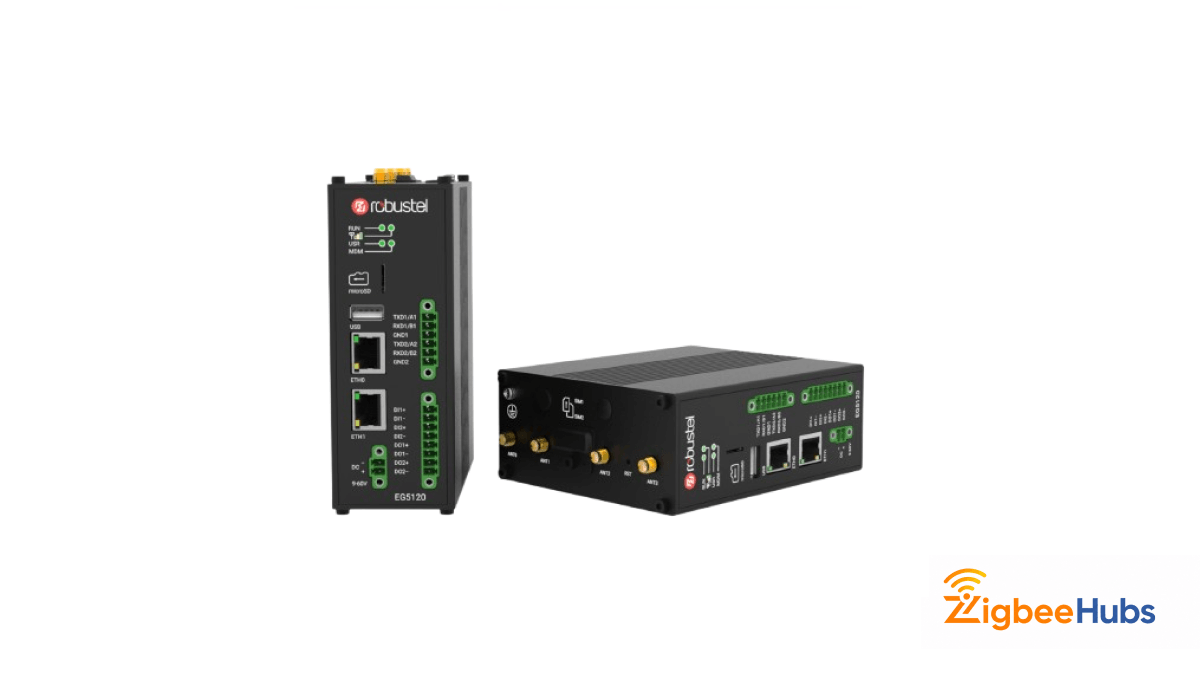
The Robustel EG5120 is a completely different category of device. It is designed for industrial environments but works exceptionally well as a Home Assistant host and gateway platform.
I have seen similar industrial gateways operate continuously for years without requiring reboots. If reliability is your top priority, this type of hardware is hard to beat.
Key Features
- Quad-core processor
- Industrial-grade metal enclosure
- Wide temperature tolerance
- Debian-based Linux system
- 2GB RAM
- 16GB eMMC storage
Pros
- Extremely reliable
- Industrial-grade durability
- Excellent thermal management
- No SD card failures
- Long operational lifespan
Cons
- Expensive
- Overkill for most homes
- Requires more technical knowledge
Best For
Advanced users, businesses, and mission-critical automation systems.
 Sarah Diyana
5. Aqara Hub M3
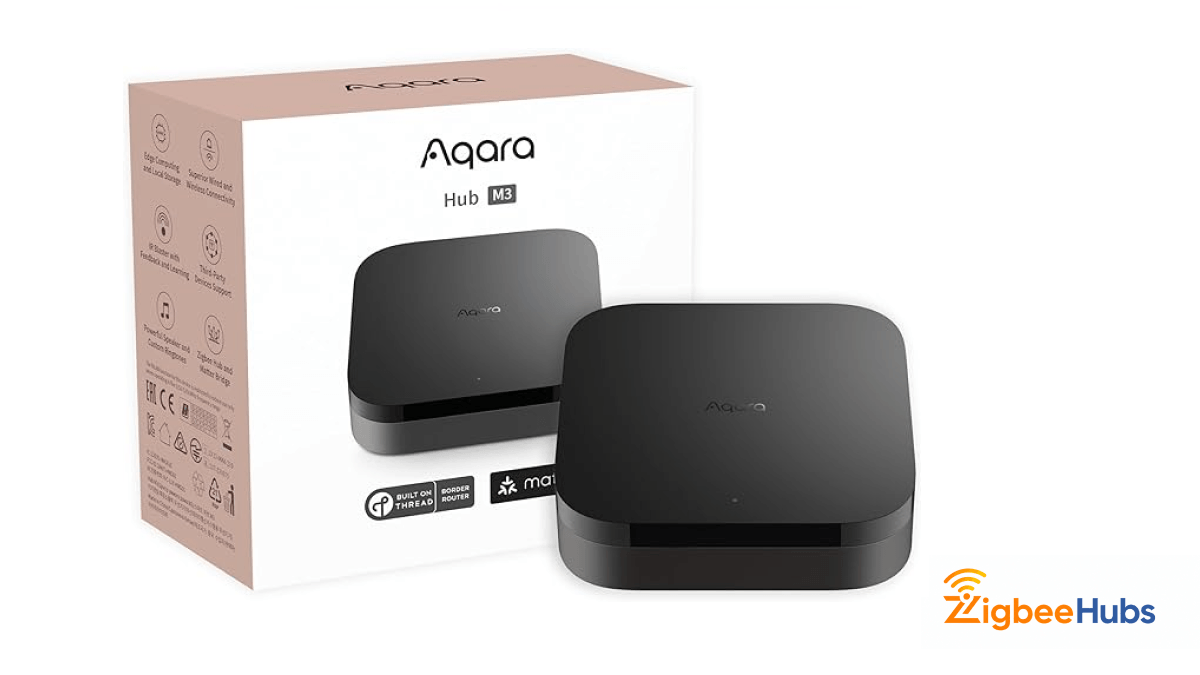
The Aqara Hub M3 is one of the most future-ready smart home hubs currently available. While it supports Zigbee devices, it also functions as a Matter Controller and Thread Border Router.
After spending time with the M3, the biggest advantage I noticed was how well it bridges older Zigbee devices with newer Matter-based ecosystems.
Key Features
- Matter Controller
- Thread Border Router
- Zigbee 3.0 support
- Infrared control
- Local automation engine
- PoE support
- Built-in speaker
Pros
- Future-proof platform
- Excellent Matter support
- Strong Aqara ecosystem integration
- Local automation capabilities
- Premium hardware design
Cons
- Higher price
- Best experience within Aqara ecosystem
- Not purely focused on Zigbee
Best For
Users preparing for a Matter-first smart home.
How Do You Choose the Best Zigbee Gateway for Home Assistant?
Choose a USB Coordinator If:
- You run Home Assistant on a Raspberry Pi.
- You want the simplest setup.
- Your home has fewer than 75 Zigbee devices.
- You want maximum value.
The SONOFF ZBDongle-P is usually my recommendation here.
Choose a PoE Coordinator If:
- You have multiple floors.
- Your coordinator location matters.
- You want to avoid USB interference.
- You use Zigbee2MQTT extensively.
The SMLIGHT SLZB-06 is the clear winner in this category.
Choose an Industrial Gateway If:
- Reliability is your highest priority.
- You manage commercial properties.
- You need 24/7 uptime.
The Robustel EG5120 is built for exactly these scenarios.
How Can You Improve Zigbee Performance?
Even the best Zigbee Gateway Home Assistant setup can perform poorly if installed incorrectly.
Here are the improvements I make on almost every installation:
Use a USB Extension Cable
Move USB coordinators at least one meter away from the host device.
This significantly reduces USB 3.0 interference.
Place the Coordinator Centrally
Avoid placing the coordinator inside network cabinets, closets, or basements.
Central placement improves overall mesh quality.
Add Zigbee Routers
Smart plugs, in-wall switches, and powered devices strengthen the mesh network.
Battery devices do not act as routers.
Avoid Wi-Fi Channel Conflicts
Zigbee and Wi-Fi share the 2.4GHz spectrum.
Choosing non-overlapping channels improves network stability.
 Ishara Fernando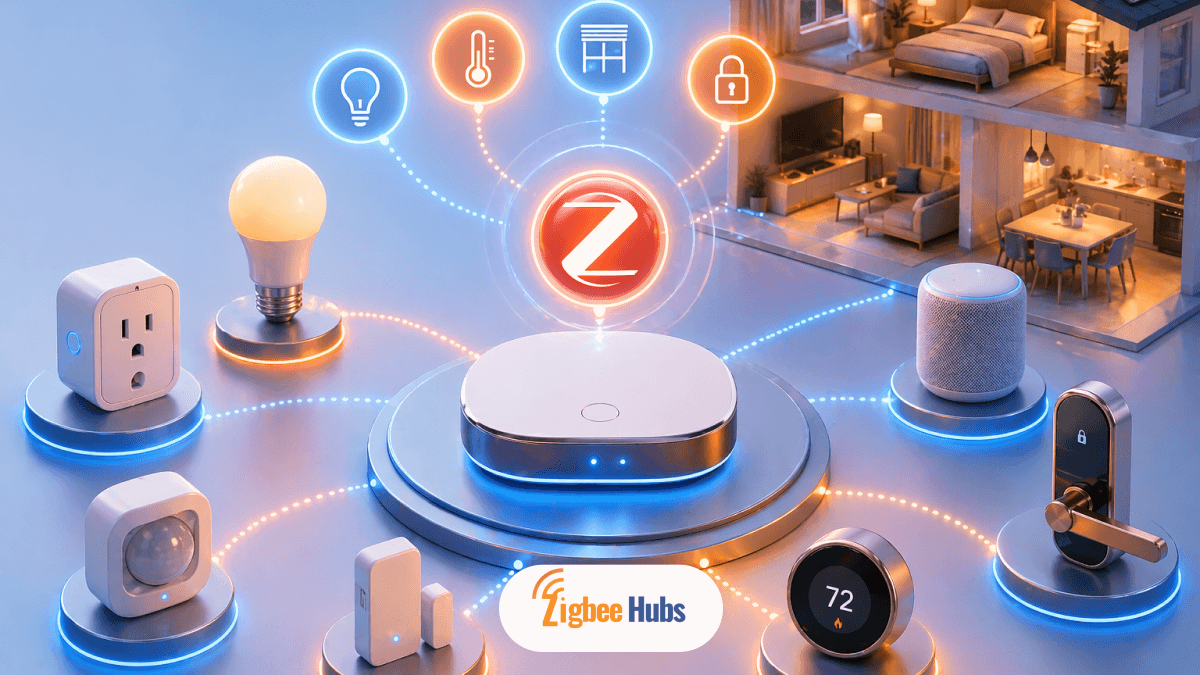
ZHA vs Zigbee2MQTT: Which Works Best?
ZHA
Advantages:
- Built directly into Home Assistant
- Easier setup
- Minimal maintenance
- Beginner-friendly
Zigbee2MQTT
Advantages:
- Larger device database
- More advanced configuration
- Better diagnostics
- Faster support for new devices
For beginners, I usually recommend ZHA.
For advanced users building large networks, Zigbee2MQTT often provides greater flexibility.
Final Verdict
If someone asks me for a single recommendation in 2026, I would choose the SMLIGHT SLZB-06. It solves many of the interference and placement issues that affect traditional USB coordinators and works exceptionally well with both ZHA and Zigbee2MQTT.