What Is Zigbee 4.0 and What Improved?

Quick Answer:
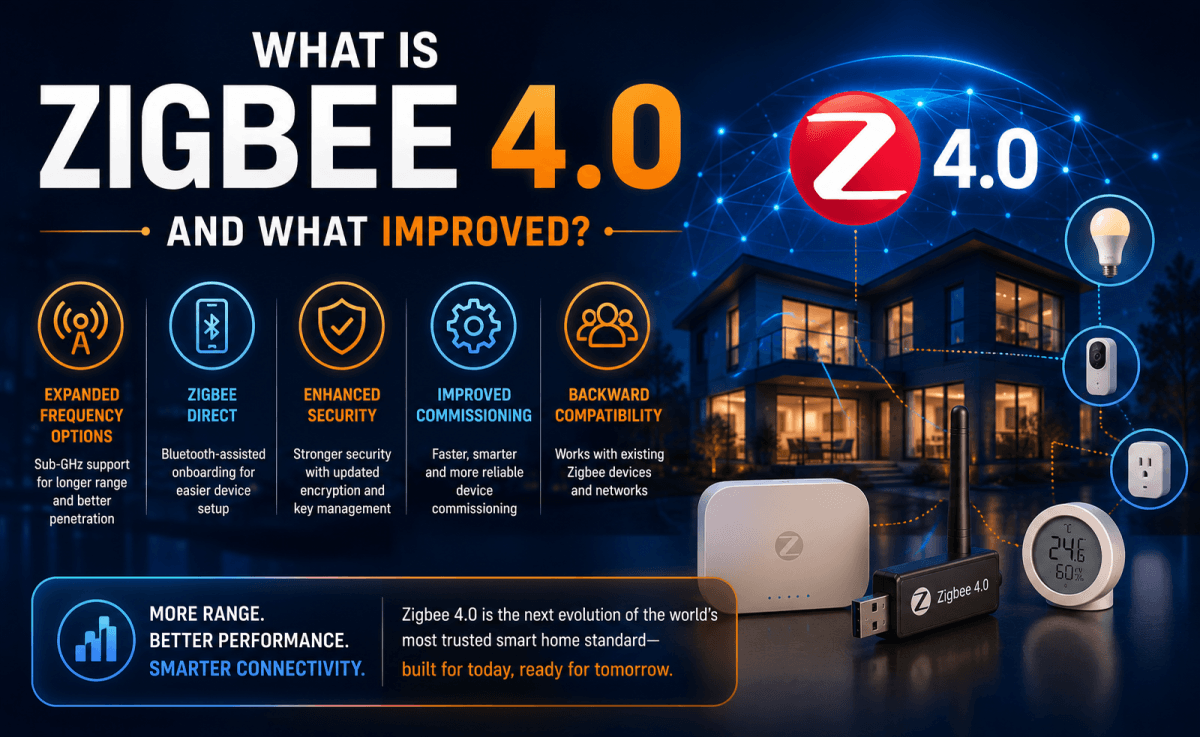
Zigbee 4.0 is the latest version of the Zigbee wireless standard developed by the Connectivity Standards Alliance (CSA). It builds on Zigbee 3.0 by introducing Suzi, a new Sub-GHz networking technology for longer-range communication, Zigbee Direct for Bluetooth-assisted device onboarding, improved security, and simplified commissioning while maintaining compatibility with existing Zigbee devices.
Key Takeaways
- Zigbee 4.0 expands the Zigbee ecosystem with new long-range networking capabilities.
- Suzi introduces optional Sub-GHz communication for improved coverage and better wall penetration.
- Zigbee Direct allows compatible devices to be onboarded using Bluetooth Low Energy (BLE).
- Security is strengthened through dynamic link keys, key rotation, and improved trust management.
- Existing Zigbee 3.0 devices remain compatible with Zigbee 4.0 coordinators.
- Sub-GHz features require compatible radio hardware and cannot be enabled through firmware alone.
Why Zigbee 4.0 Matters?
Zigbee has become one of the most widely used wireless technologies for smart homes because it offers low power consumption, reliable mesh networking, and broad device compatibility. Millions of smart lights, sensors, locks, and switches rely on Zigbee every day.
Despite these strengths, traditional Zigbee networks have always shared one limitation. They operate on the crowded 2.4 GHz spectrum, alongside Wi-Fi, Bluetooth, and many other household wireless devices. In busy environments or larger properties, interference and signal loss can reduce performance.
The latest Zigbee specification addresses these challenges without replacing the existing ecosystem. Instead, it adds new capabilities that improve coverage, simplify installation, and strengthen security while keeping current Zigbee devices usable.
What is Zigbee 4.0?
Zigbee 4.0 is the newest release of the Zigbee wireless communication standard maintained by the Connectivity Standards Alliance (CSA).
Like previous versions, it is designed for low-power Internet of Things (IoT) applications, including:
- Smart lighting
- Smart switches
- Motion and door sensors
- Smart locks
- Energy monitoring
- Building automation
- Commercial IoT deployments
The most significant addition is Suzi, an optional Sub-GHz networking layer that complements the traditional 2.4 GHz Zigbee mesh. Depending on the hardware and regional regulations, compatible devices can communicate over lower-frequency bands to achieve better range and improved signal penetration through walls and other obstacles.
Unlike a completely new protocol, Zigbee 4.0 extends the existing platform while preserving interoperability with earlier Zigbee devices.
What is the Zigbee 4.0 Release Date?
The Zigbee 4.0 release date was announced by the Connectivity Standards Alliance in November 2025. Alongside the announcement, the Alliance introduced Zigbee 4.0 and Suzi as the next step in the Zigbee roadmap.
Manufacturers are now incorporating the updated specification into new products, with certified hardware expected to become more widely available as additional devices complete the certification process.
Because Zigbee products typically have long development cycles, adoption will happen gradually rather than through a single large product launch.
Zigbee 4.0 vs Zigbee 3.0
Many users comparing Zigbee 4.0 vs 3.0 expect an entirely new protocol. In practice, Zigbee 4.0 is an evolution of Zigbee 3.0 rather than a replacement.
The existing 2.4 GHz mesh remains fully supported, while new features improve deployment flexibility, security, and long-range communication.
| Feature | Zigbee 3.0 | Zigbee 4.0 |
|---|---|---|
| Wireless Band | 2.4 GHz | 2.4 GHz + Optional Sub-GHz (Suzi) |
| Device Onboarding | Hub-based pairing | Zigbee Direct (BLE-assisted) |
| Security | Standard Link Keys | Dynamic Link Keys & Key Rotation |
| Commissioning | Individual device setup | Batch commissioning support |
| Existing Device Support | Native | Backward compatible |
For most homeowners, everyday operation will feel familiar. The biggest improvements become noticeable when deploying outdoor devices, expanding larger networks, or managing many connected devices.
 Sarah Diyana
What are the Biggest Zigbee 4.0 Features?
The latest Zigbee specification focuses on solving practical deployment challenges rather than increasing wireless speed.
The most important improvements include:
- Suzi (Sub-GHz networking)
- Zigbee Direct
- Enhanced security
- Batch commissioning
- Improved interoperability
Each addresses a long-standing limitation of traditional Zigbee networks.
Suzi: Long-Range Zigbee Networking
The most significant addition is Suzi, the branding introduced by the Connectivity Standards Alliance for Zigbee's optional Sub-GHz networking.
Traditional Zigbee devices communicate over the 2.4 GHz band. Suzi allows compatible devices to operate on lower-frequency spectrum where regional regulations permit, providing better range and improved penetration through obstacles.
Compared with 2.4 GHz networks, lower-frequency signals generally travel further and experience less attenuation from walls, floors, and exterior building materials.
Potential applications include:
- Outdoor motion sensors
- Garden irrigation controllers
- Mailbox sensors
- Gate automation
- Detached garages
- Agricultural monitoring
- Commercial warehouses
For many smart home users, this opens new deployment possibilities without requiring proprietary long-range radio systems.
Note: Sub-GHz functionality requires hardware designed for these frequencies. Existing 2.4 GHz coordinators cannot gain this capability through a firmware update alone.
Why Zigbee Sub-GHz is Important?
Many Zigbee networks perform extremely well indoors, particularly when sufficient mains-powered devices are available to strengthen the mesh.
Outdoor installations present a different challenge.
Signals often weaken after passing through:
- Brick walls
- Reinforced concrete
- Metal garage doors
- Exterior insulation
- Large appliances
Sub-GHz communication helps reduce these issues by using lower-frequency radio transmissions that can maintain more reliable connections across longer distances.
This makes Suzi particularly attractive for sensors and devices installed around the perimeter of a property.
Zigbee Direct Makes Setup Easier
Another major improvement is Zigbee Direct.
Traditionally, adding a Zigbee device required placing the coordinator into pairing mode before joining the network. While effective, the process could be confusing for less experienced users.
Zigbee Direct introduces Bluetooth Low Energy (BLE) into the onboarding process.
Compatible devices first establish a temporary BLE connection with a smartphone or tablet. The mobile device then securely transfers Zigbee network credentials, simplifying installation without changing how the Zigbee mesh operates afterward.
Benefits include:
- Faster onboarding
- Fewer pairing failures
- Simpler mobile setup
- Improved user experience
For professional installers managing dozens of devices, this can significantly reduce deployment time.
Batch Commissioning
Large Zigbee deployments often require installers to add devices individually.
Zigbee 4.0 introduces Batch Commissioning, allowing multiple compatible devices to be configured during a single deployment process.
This feature is particularly valuable for:
- Apartment buildings
- Hotels
- Schools
- Offices
- Commercial lighting systems
- Industrial automation
While many homeowners may never use this capability, it represents an important improvement for professional installations.
How Does Zigbee 4.0 Improve Security?
Security is one of the biggest improvements in this release. While Zigbee 3.0 already used AES-128 encryption, the latest specification introduces stronger key management and better protection against modern attacks.
Instead of relying on a single improvement, it strengthens security throughout the device lifecycle, from onboarding to everyday communication.
The most important enhancements include:
- Dynamic Link Keys
- Automatic Key Rotation
- Restricted Mode
- Improved Frame Counter Synchronization
These features help protect both residential and commercial Zigbee deployments.
Dynamic Link Keys
Earlier Zigbee networks typically relied on predefined link keys during commissioning.
Zigbee 4.0 introduces Dynamic Link Keys, allowing each compatible device to establish its own secure key during onboarding.
Benefits include:
- Unique credentials for each device
- Reduced exposure during commissioning
- Improved protection against unauthorized access
- Better scalability for larger networks
For most homeowners, this happens automatically without changing the setup process.
Automatic Key Rotation
Another important improvement is automatic key rotation.
Instead of using the same network keys indefinitely, compatible coordinators can periodically refresh encryption keys while maintaining communication with paired devices.
Regular key updates reduce the likelihood of compromised credentials remaining valid over long periods.
Restricted Mode
Certain administrative operations now receive additional protection.
Restricted Mode limits sensitive functions such as:
- Factory resets
- Trust Center management
- Network migration
- Critical configuration changes
Only authorized coordinators can perform these operations, reducing the risk of accidental or unauthorized modifications.
Better Protection Against Replay Attacks
Zigbee 4.0 also improves frame counter synchronization between devices.
This helps detect duplicated or replayed packets, making it more difficult for attackers to reuse previously captured communications.
Although most homeowners will never notice this change, it contributes to a more resilient Zigbee network.
Is Zigbee 4.0 Backward Compatible?
Yes.
One of the biggest advantages of this compatibility is that existing Zigbee devices continue to work with newer coordinators.
Most current smart bulbs, smart plugs, motion sensors, door sensors, smart locks, and switches can continue operating without replacement.
This allows homeowners to upgrade gradually instead of rebuilding an existing smart home.
Can Existing Hardware be Upgraded?
This depends on the coordinator.
Some modern chipsets are expected to receive software updates that implement portions of the Zigbee 4.0 specification.
However, there is an important limitation.
Firmware Cannot Add New Radio Hardware
Many readers ask whether a firmware update can enable Suzi on existing coordinators.
The answer is no.
If a coordinator only contains a 2.4 GHz radio, a firmware update cannot add Sub-GHz capability. Using Suzi requires compatible radio hardware designed for those frequencies.
Software updates may add protocol improvements, security enhancements, or interoperability features, but they cannot change the physical wireless hardware.
Hardware Verification
While retail Zigbee 4.0 products are still emerging, we verified currently available coordinator hardware against publicly available manufacturer documentation.
Coordinator evaluated: SONOFF Zigbee 3.0 USB Dongle-E
Chipset: Silicon Labs EFR32MG21
Verification objective: Determine whether the chipset is identified by Silicon Labs as supporting the architectural requirements for future Zigbee 4.0 software support.
Findings: The EFR32MG21 chipset appears on Silicon Labs documentation as part of the supported hardware family for newer Zigbee software stacks. However, the SONOFF ZBDongle-E remains a 2.4 GHz coordinator. Although future firmware may introduce portions of the updated Zigbee specification, Sub-GHz networking requires different radio hardware and therefore cannot be enabled on this coordinator through software alone
What are the Best Recommended Coordinators?
The following products provide strong foundations for modern Zigbee networks.
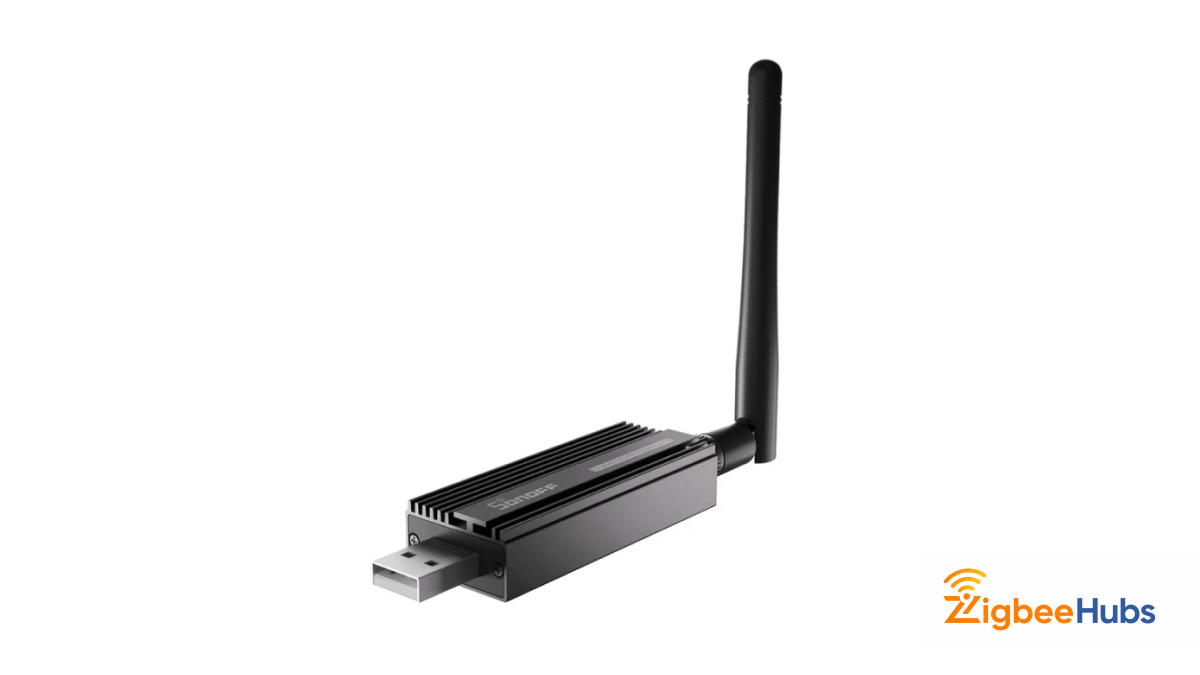
⭐ SONOFF Zigbee 3.0 USB Dongle-E
The SONOFF ZBDongle-E is one of the most popular USB coordinators for Home Assistant and Zigbee2MQTT users. Built around the Silicon Labs EFR32MG21 chipset, it offers excellent compatibility with today's Zigbee ecosystem while providing a modern hardware platform for future software updates.
Key Features
- Silicon Labs EFR32MG21 chipset
- Home Assistant compatible
- Zigbee2MQTT compatible
- USB coordinator
- Active firmware support
Pros
- Affordable
- Excellent community support
- Reliable compatibility
- Easy setup
Cons
- USB placement affects performance
- 2.4 GHz only
Best for:
Home Assistant users looking for a reliable USB coordinator.
 Sarah Diyana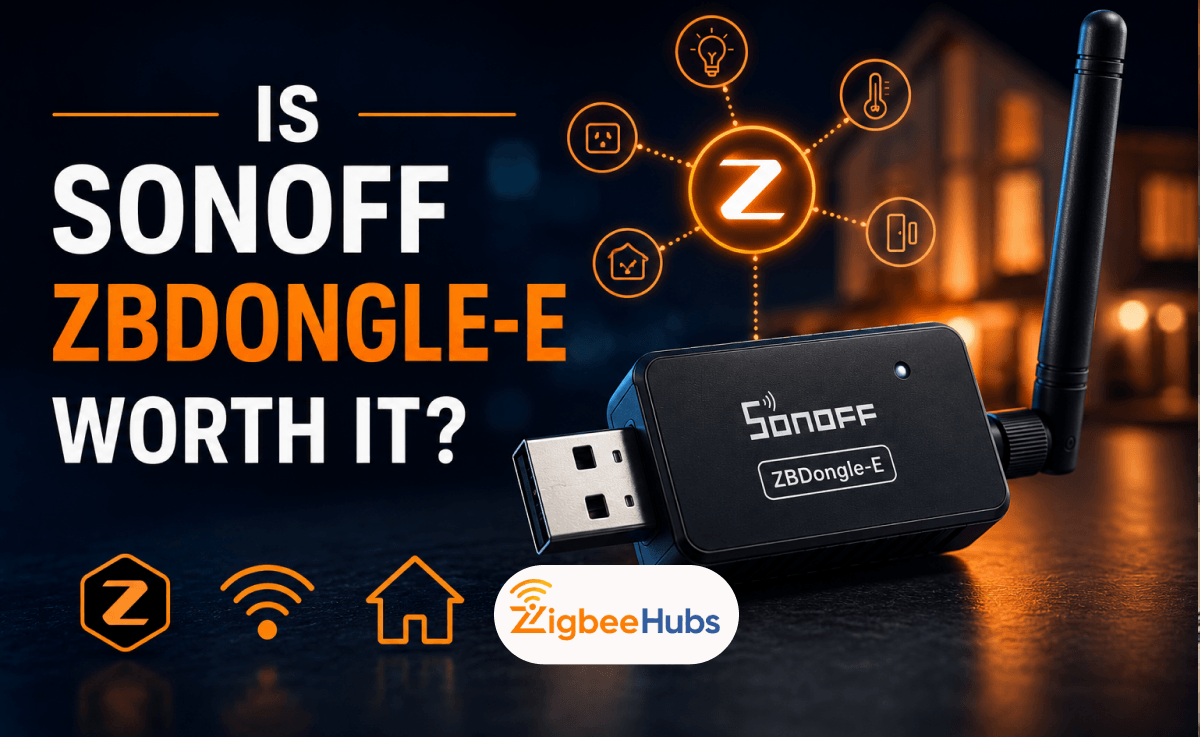
Aqara Hub M2
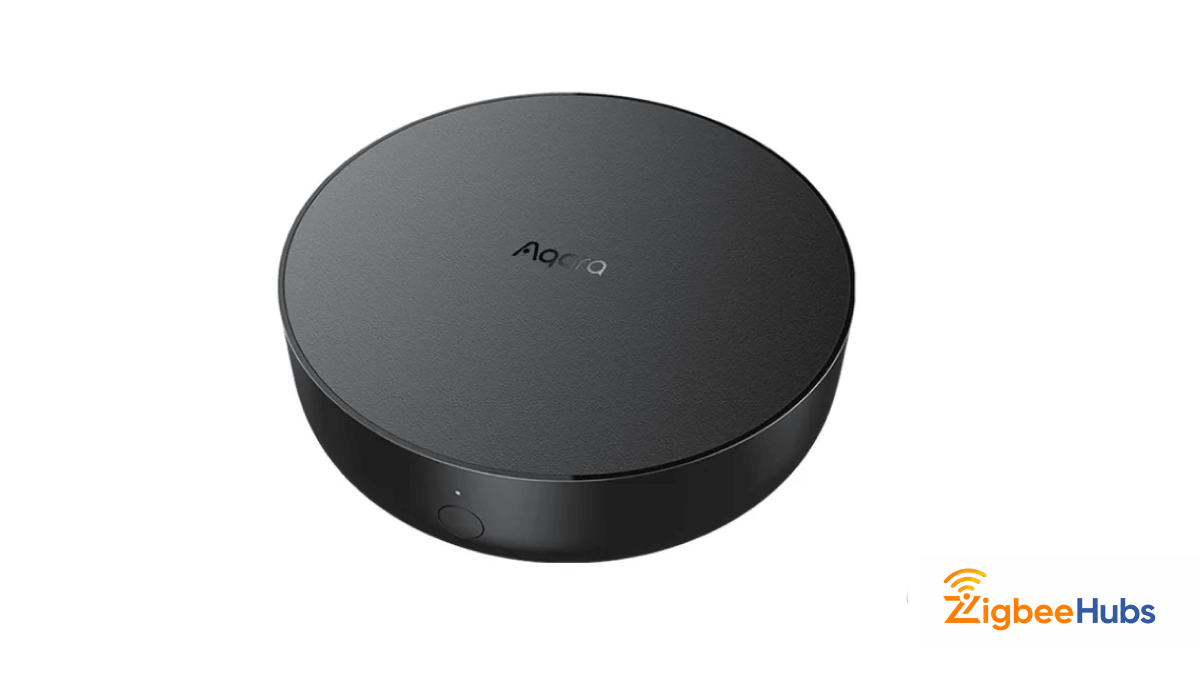
The Aqara Hub M2 is designed for users who prefer a complete smart home hub instead of a USB coordinator. It supports Zigbee devices while integrating with Apple Home, Google Home, Amazon Alexa, and Matter through supported features.
Key Features
- Zigbee hub
- Ethernet connectivity
- Infrared control
- HomeKit support
- Local automations
Pros
- Easy installation
- Good ecosystem support
- Stable local automation
Cons
- Best suited to the Aqara ecosystem
- Less flexible than Home Assistant
Best for:
Users building an Apple Home or Aqara-based smart home.
 Ishara Fernando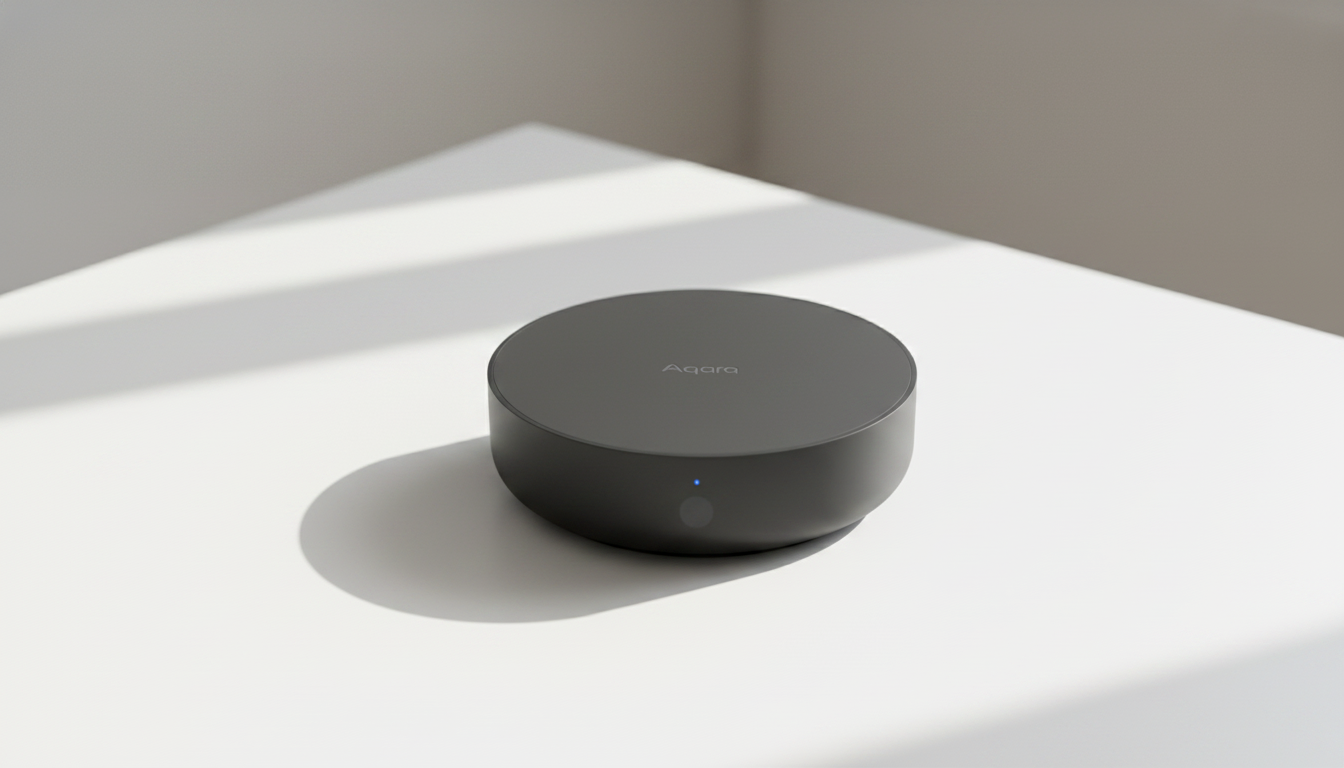
Choosing the Right Coordinator
When selecting a coordinator today, consider more than Zigbee version numbers. Look for:
- Active firmware development
- Strong community support
- Home Assistant or Zigbee2MQTT compatibility
- Reliable manufacturer updates
- Modern radio hardware
- Matter integration where appropriate
These factors usually have a greater impact on long-term satisfaction than a single specification update.
Should You Upgrade?
For most existing Zigbee users, there is no immediate need to replace working hardware.
If your current Zigbee network is stable, your existing devices should continue operating normally.
However, if you are purchasing a new coordinator, choosing newer hardware with active firmware support provides the best opportunity to benefit from future Zigbee improvements.
Upgrading makes the most sense if you are:
- Building a new smart home
- Replacing an older coordinator
- Planning a large Zigbee deployment
- Expanding with outdoor devices in the future
Conclusion
Zigbee 4.0 builds on the strengths of Zigbee 3.0 rather than replacing it. The introduction of Suzi, Zigbee Direct, stronger security, and improved commissioning makes the platform more capable while preserving compatibility with existing devices.
For most homeowners, the transition will be gradual. Existing Zigbee products continue to work, while newer coordinators and devices will gradually introduce support for additional capabilities as manufacturers adopt the updated specification.
If you are buying new hardware today, focus on products with modern chipsets, active firmware support, and a clear development roadmap. That approach will provide the greatest flexibility as the Zigbee ecosystem continues to evolve.