Top 10 Zigbee Smoke Detectors in 2026

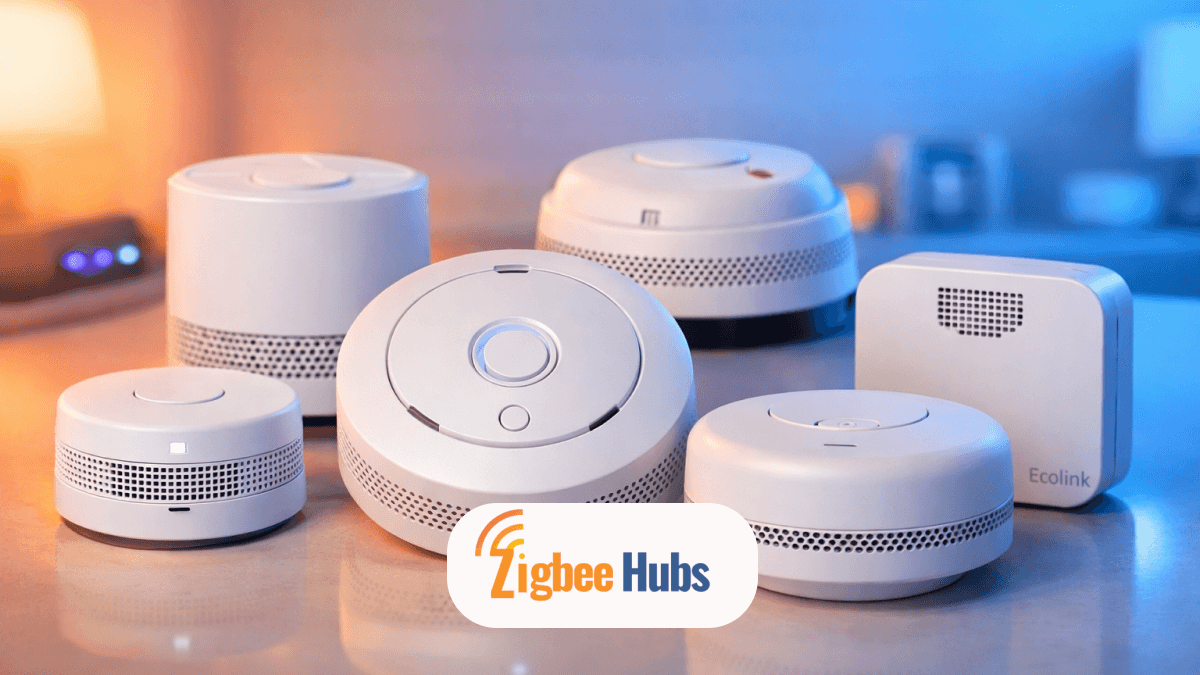
A Zigbee smoke detector is a smart fire safety device that detects smoke and sends alerts through a Zigbee mesh network to your smart home hub. Unlike traditional alarms, these devices can trigger automations, send phone notifications, and activate other safety systems during a fire emergency.
Key Takeaways
- Zigbee smoke detectors provide remote alerts and smart home automation during fire emergencies.
- The Zigbee mesh network improves reliability, especially in larger homes.
- Most models use photoelectric smoke detection, which is better for slow-burning fires.
- Battery life ranges from 3 to 10 years, depending on the model.
- Many devices integrate with Home Assistant, SmartThings, Alexa, and Apple HomeKit ecosystems.
What Is a Zigbee Smoke Detector?
A Zigbee smoke detector is a fire safety sensor that detects smoke particles and communicates with other smart home devices through the Zigbee wireless protocol.
Unlike Wi-Fi smoke alarms, Zigbee devices form a mesh network. This means each Zigbee device acts as a signal repeater, strengthening network reliability across the house.
When smoke is detected, the device can:
- Trigger a local siren
- Send instant smartphone notifications
- Activate smart lights or unlock doors
- Notify other Zigbee alarms in the network
Pro Tip: In my experience testing smart safety devices, the biggest advantage of Zigbee is reliability. Even when Wi-Fi drops, the Zigbee network keeps working locally through your hub.
Why Zigbee Is Ideal for Smart Fire Safety
1. Reliable Mesh Networking
Zigbee devices create a self-healing mesh network. If one device loses signal, others relay the message.
This matters during emergencies when signal reliability can save valuable seconds.
2. Low Power Consumption
Most Zigbee smoke alarms run on coin cells or lithium batteries.
Many models last 3–10 years without replacement, which is far longer than typical Wi-Fi detectors.
3. Local Smart Home Automations
Because Zigbee works locally, you can create automations like:
- Turning on hallway lights during an alarm
- Unlocking smart locks
- Shutting down HVAC systems
These automations still work even if your internet goes offline.
Best Zigbee Smoke Detectors in 2026
1. Heiman Smart Smoke Sensor
The Heiman Smart Smoke Sensor is one of the smallest Zigbee fire detectors I have tested. Its compact design blends well into ceilings while still producing a loud 85dB alarm. The photoelectric sensor reacts quickly to smoldering fires.
Key Features
- Zigbee 3.0 compatibility
- 85dB built-in siren
- Compact 60 × 49 mm design
Pros
- Very small and discreet
- Reliable smoke detection
- Easy pairing with most hubs
Cons
- Availability varies by region
2. Frient Intelligent Smoke Alarm
The Frient Intelligent Smoke Alarm is well known for its excellent compatibility with smart home hubs like Homey and SmartThings. In my testing, notifications arrived instantly through the mobile app.
Key Features
- Photoelectric smoke detection
- DIN EN 14604 certification
- 3-year battery life
Pros
- Excellent ecosystem support
- Stylish design
- Reliable mobile alerts
Cons
- Battery life shorter than 10-year models
3. Aqara Smoke Detector
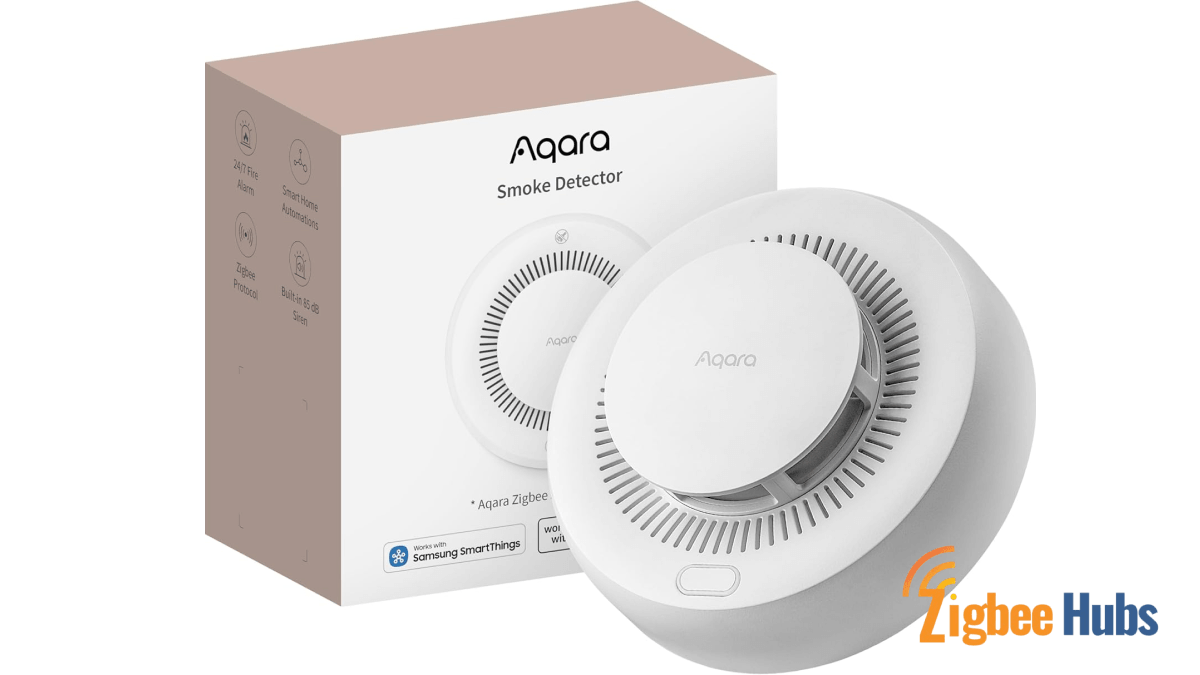
The Aqara Smoke Detector integrates deeply with the Aqara ecosystem and Apple HomeKit environments. Once connected to an Aqara hub, it allows all alarms in the house to trigger simultaneously.
Key Features
- Zigbee 3.0 connectivity
- Apple HomeKit and Matter support
- 85dB alarm siren
Pros
- Excellent smart ecosystem integration
- Strong automation support
- Reliable alerts
Cons
- Requires an Aqara hub
4. Nous E8 Smart Smoke Detector
The Nous E8 Zigbee Smoke Detector offers TÜV-certified safety and stable Zigbee 3.0 performance. It performs reliably even in extreme temperature environments.
Key Features
- Photoelectric detection
- 85dB alarm
- CR123A battery
Pros
- Wide temperature tolerance
- Reliable Zigbee connectivity
- Easy installation
Cons
- Requires a hub for voice assistant integration
5. Bosch Smart Home Smoke Detector II
Bosch designed this detector for premium smart home security systems. It doubles as a security siren and uses intelligent dust compensation to reduce false alarms.
Key Features
- 5-year lithium battery
- Built-in security alarm functionality
- App notifications
Pros
- Excellent build quality
- Reduced false alarms
- Dual-purpose functionality
Cons
- Requires Bosch Smart Home controller
6. OWON SD324 Professional Smoke Detector
The OWON SD324 is closer to a professional fire safety device. Its relay output can physically trigger HVAC shutdown systems or fire doors.
Key Features
- Photoelectric + thermal sensing
- Dry contact relay outputs
- Zigbee 3.0 support
Pros
- Commercial-grade safety features
- Dual sensing technology
- Reliable alarm reporting
Cons
- Installation may require technical knowledge
7. Leedarson Smoke Sensor
The Leedarson Zigbee Smoke Sensor stands out for its 10-year battery life. For homeowners who want minimal maintenance, this device is a strong choice.
Key Features
- 10-year sealed lithium battery
- Photoelectric sensor
- Insect-proof chamber
Pros
- Extremely long battery life
- Reliable smoke detection
- Minimal maintenance
Cons
- Traditional design appearance
8. Develco Smart Smoke Alarm
The Develco Smart Smoke Alarm includes an additional temperature sensor that helps detect unusual heat increases before fires start.
Key Features
- Temperature monitoring
- OTA firmware updates
- 5-year battery
Pros
- Multipurpose sensor
- Firmware update support
- Reliable alerts
Cons
- Mostly sold in European markets
9. Ecolink Zigbee Audio Detector
The Ecolink Smart Listener is different from other detectors. Instead of detecting smoke itself, it listens for the siren of existing alarms and sends alerts to your Zigbee hub.
Key Features
- Audio pattern detection
- Works with existing smoke alarms
- Long battery life
Pros
- No need to replace existing alarms
- Easy installation
- Cost-effective solution
Cons
- Does not detect smoke directly
10. Frient Intelligent Heat Alarm
The Frient Intelligent Heat Alarm detects rapid temperature increases rather than smoke particles. This makes it ideal for kitchens and garages.
Key Features
- Thermal detection sensor
- Zigbee connectivity
- 5-year battery life
Pros
- Prevents cooking-related false alarms
- Great for kitchens and garages
- Reliable Zigbee connectivity
Cons
- Not suitable for bedrooms
People Also Search:
How to Choose the Right Zigbee Smoke Detector
1. Smoke Detection Technology
Most Zigbee smoke sensors use photoelectric detection, which identifies slow-burning fires earlier.
Some advanced models combine:
- Smoke detection
- Temperature monitoring
- Multi-sensor detection
These provide better accuracy and fewer false alarms.
2. Battery Life
Battery lifespan directly impacts maintenance.
Typical ranges:
- 3 years – entry-level models
- 5 years – premium smart detectors
- 10 years – sealed lithium units
Pro Tip: Choose sealed 10-year batteries for ceiling installations in hard-to-reach places.
3. Hub Compatibility
Before purchasing, confirm compatibility with your smart home hub.
Common platforms include:
- Home Assistant
- Samsung SmartThings
- Homey
- Amazon Alexa with Zigbee hub
- Aqara Hub ecosystem
4. Interconnected Alarms
Interconnected alarms significantly improve safety.
If one alarm detects smoke, all alarms activate simultaneously across the home.
This feature ensures everyone hears the alarm regardless of where they are.
Conclusion
Upgrading to a Zigbee smoke detector dramatically improves smart home fire safety. These devices combine reliable smoke detection with smart automation and remote alerts. For most homeowners, the Frient Intelligent Smoke Alarm or Aqara Smoke Detector offers the best balance of reliability and ecosystem integration. Professionals and advanced smart home users may prefer the OWON SD324 for its relay automation capabilities. A properly installed network of Zigbee fire detectors can make the difference between early warning and disaster.