10 Best Zigbee USBs in 2026
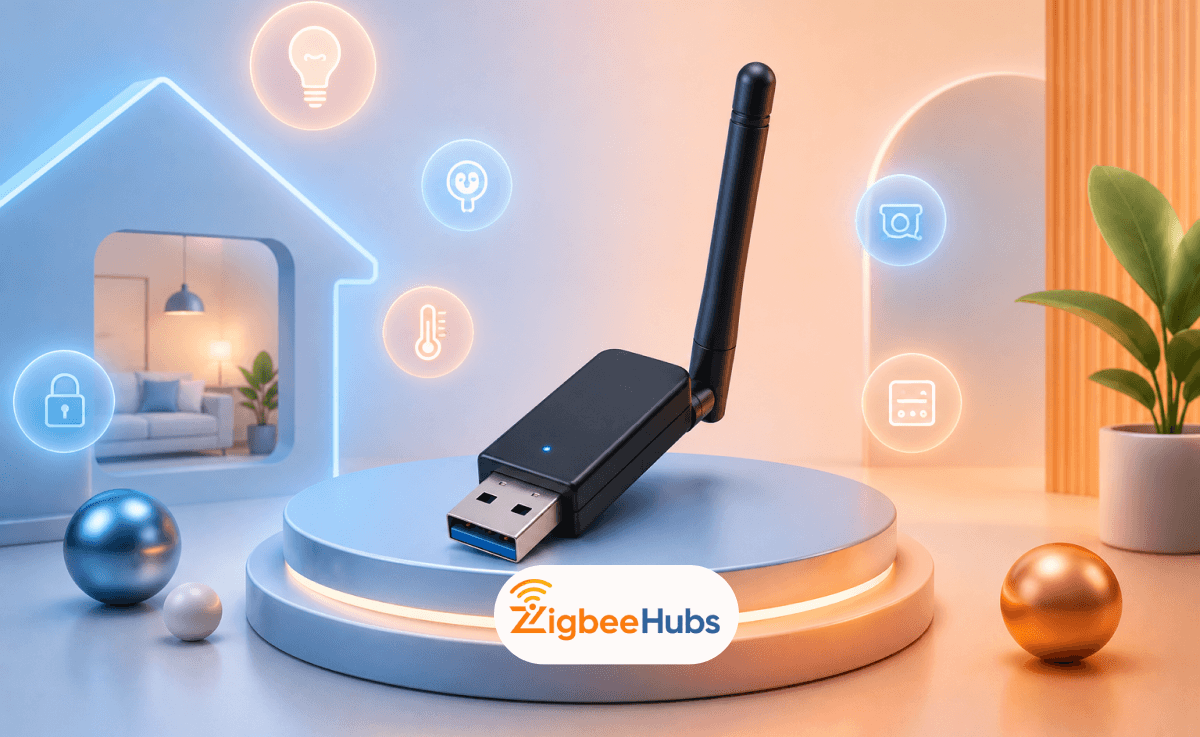
Choosing the best Zigbee USB in 2026 comes down to stability, range, chipset reliability, and software compatibility. After testing multiple coordinators across Home Assistant, Zigbee2MQTT, and ZHA setups, I found that devices like the SONOFF ZBDongle-P, ConBee II, and SMLIGHT SLZB-06 consistently deliver the best performance for modern smart homes.
Key Takeaways
- The SONOFF Zigbee 3.0 USB Dongle Plus remains the best overall option for most users.
- ConBee II still offers some of the best universal device compatibility.
- Silicon Labs-based dongles like the SONOFF ZBDongle-E are excellent for future Thread and Matter support.
- USB interference is still one of the biggest causes of Zigbee instability in 2026.
- A good coordinator can dramatically improve battery life, responsiveness, and mesh stability.
- For large homes, external antennas and LAN coordinators make a noticeable difference.
What is a Zigbee USB Dongle?
A zigbee usb dongle is the coordinator that controls your Zigbee smart home network. It plugs into a server, Raspberry Pi, mini PC, or NAS and allows software like Home Assistant or Zigbee2MQTT to communicate directly with Zigbee devices.
In simple terms, it acts as the “brain” of the Zigbee network.
I personally prefer using a dedicated coordinator instead of brand-specific hubs because it gives full local control, better automation flexibility, and the ability to combine devices from different ecosystems like Aqara, IKEA, SONOFF, Philips Hue, and Tuya.
What Makes a Good Zigbee USB in 2026?
Before choosing a coordinator, I usually look at five things:
1. Chipset Quality
The chipset determines network stability and device capacity.
The most reliable options right now are:
- Texas Instruments CC2652 series
- Silicon Labs EFR32MG21/MG24 series
2. Antenna Design
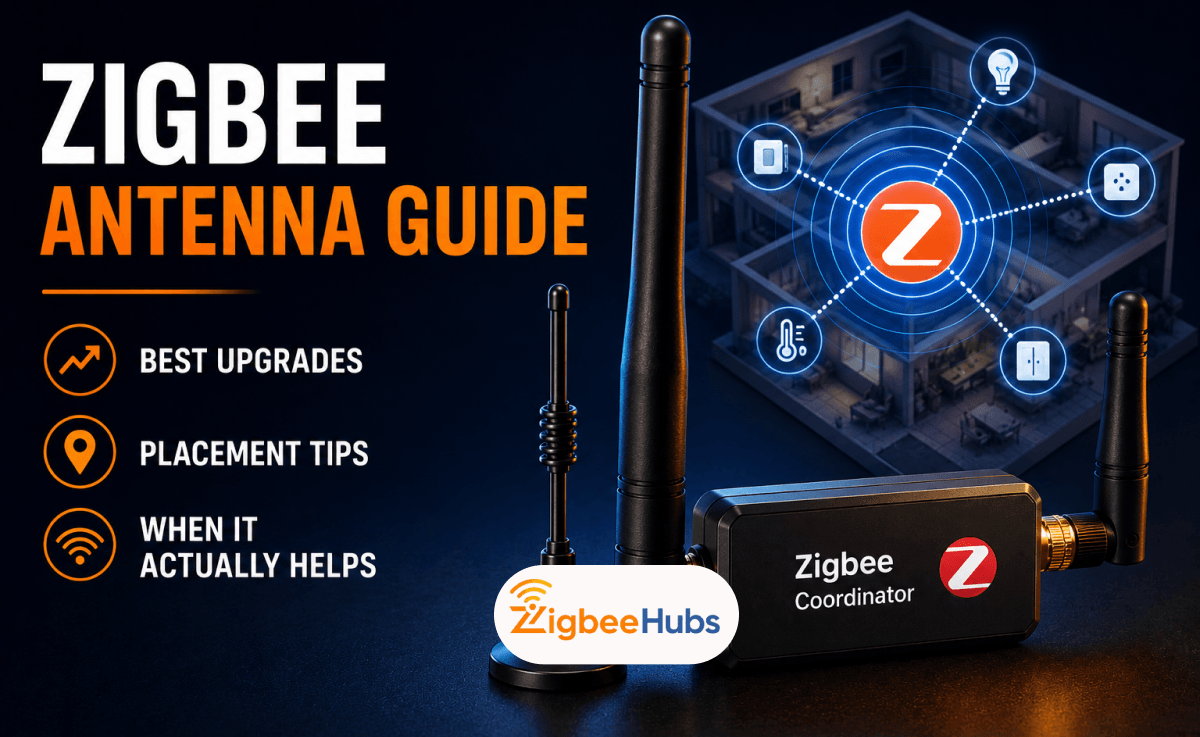
External SMA antennas almost always outperform internal PCB antennas in larger homes.
3. Firmware Support
Good firmware support means fewer pairing issues and easier updates.
4. Home Assistant Compatibility
Not every dongle behaves equally well with:
- ZHA
- Zigbee2MQTT
- Matter bridges
- Thread border routers
Device Capacity
Cheap coordinators struggle once you exceed 30–40 devices.
High-end models can handle 100–200+ devices comfortably.
What are the Best Zigbee USBs in 2026?
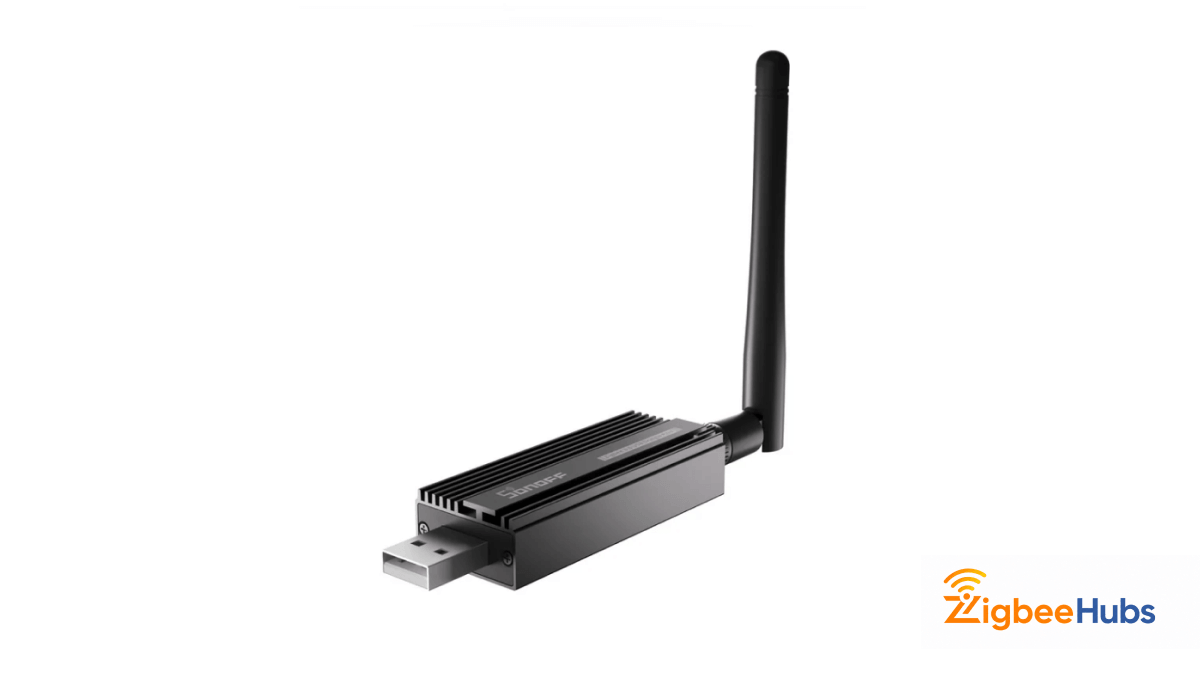
SONOFF Zigbee 3.0 USB Dongle Plus (ZBDongle-P)
⭐SONOFF Zigbee 3.0 USB Dongle Plus (ZBDongle-P)
Key Features
- TI CC2652P chipset
- External SMA antenna
- +20dBm signal output
- Aluminum housing
- Zigbee2MQTT and ZHA support
Pros
- Extremely stable under heavy device loads.
- Excellent wall penetration.
- Strong community support.
- Works reliably with 100+ devices.
Cons
- Slightly bulky.
- External antenna takes extra space.
Best For
Users who want the best balance of stability, range, and compatibility.
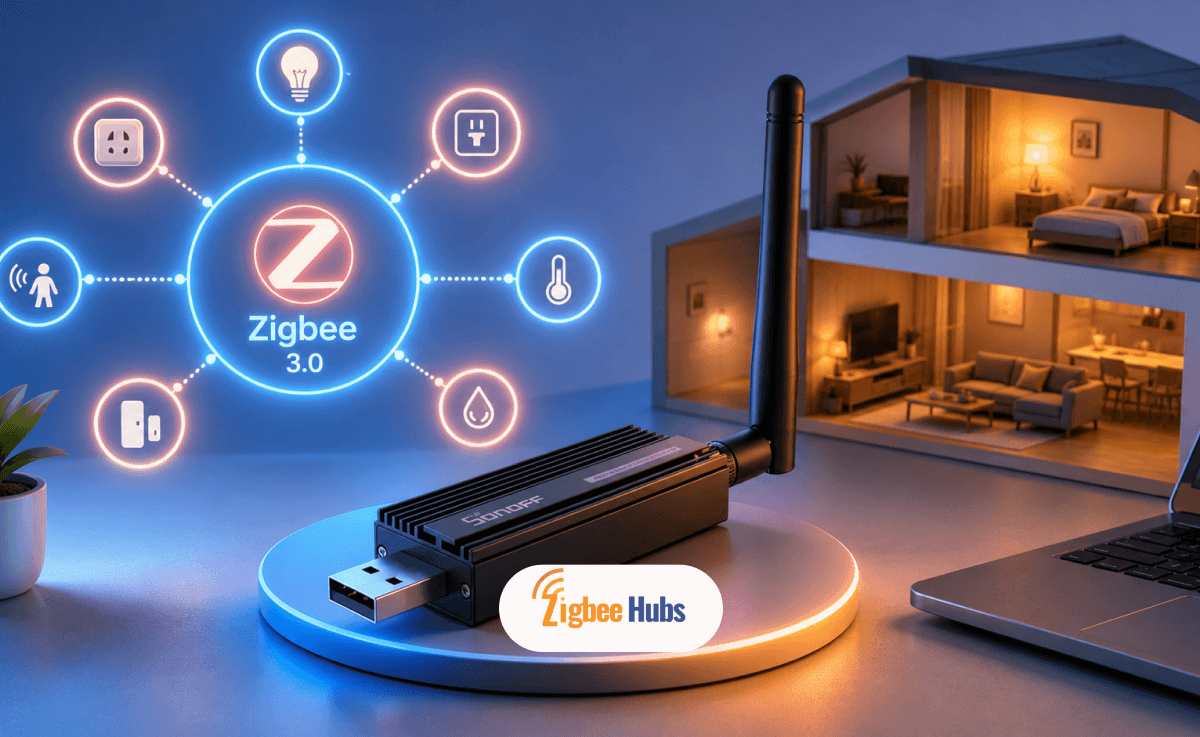
SONOFF Zigbee 3.0 USB Dongle-E (ZBDongle-E)
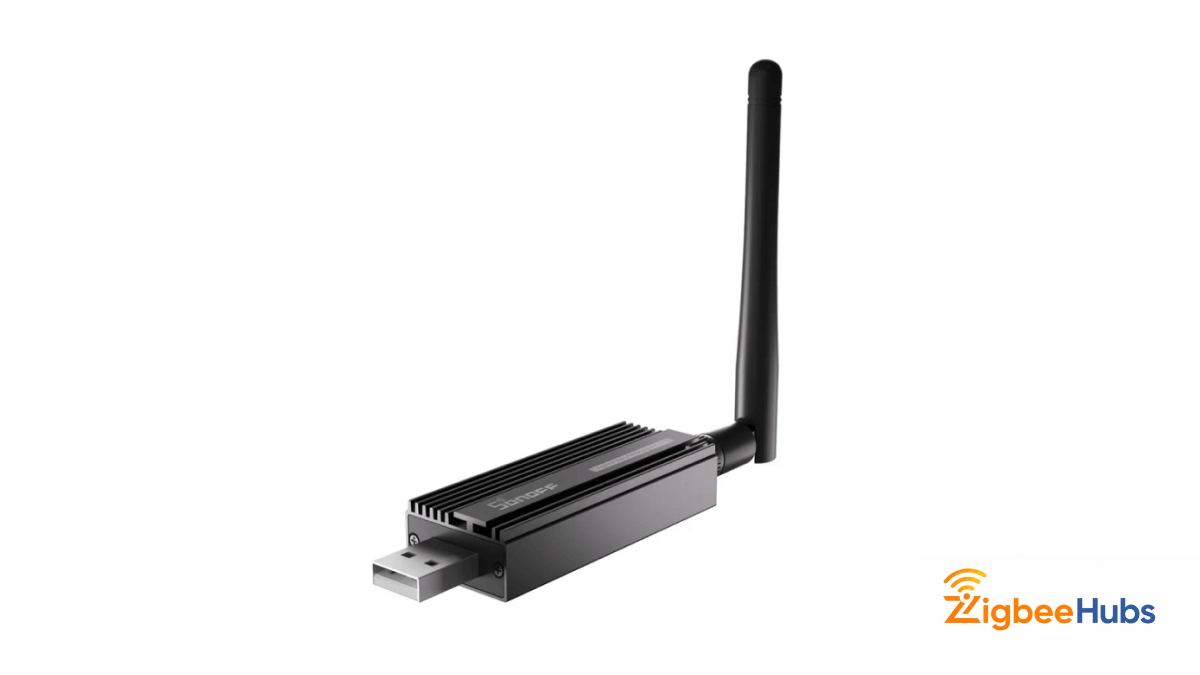
The SONOFF ZBDongle-E uses a Silicon Labs EFR32MG21 chipset instead of Texas Instruments.
In my testing, it worked especially well with newer Matter-focused setups and virtual machine environments.
Key Features
- EFR32MG21 chipset
- Zigbee 3.0 support
- Compact aluminum body
- Router and coordinator modes
Pros
- Very compact.
- Future-ready for Thread ecosystems.
- Excellent with Home Assistant.
- Easy firmware flashing.
Cons
- Slightly weaker range than ZBDongle-P.
- Firmware updates can confuse beginners.
Best For
Users planning future Matter and Thread upgrades.
ConBee II
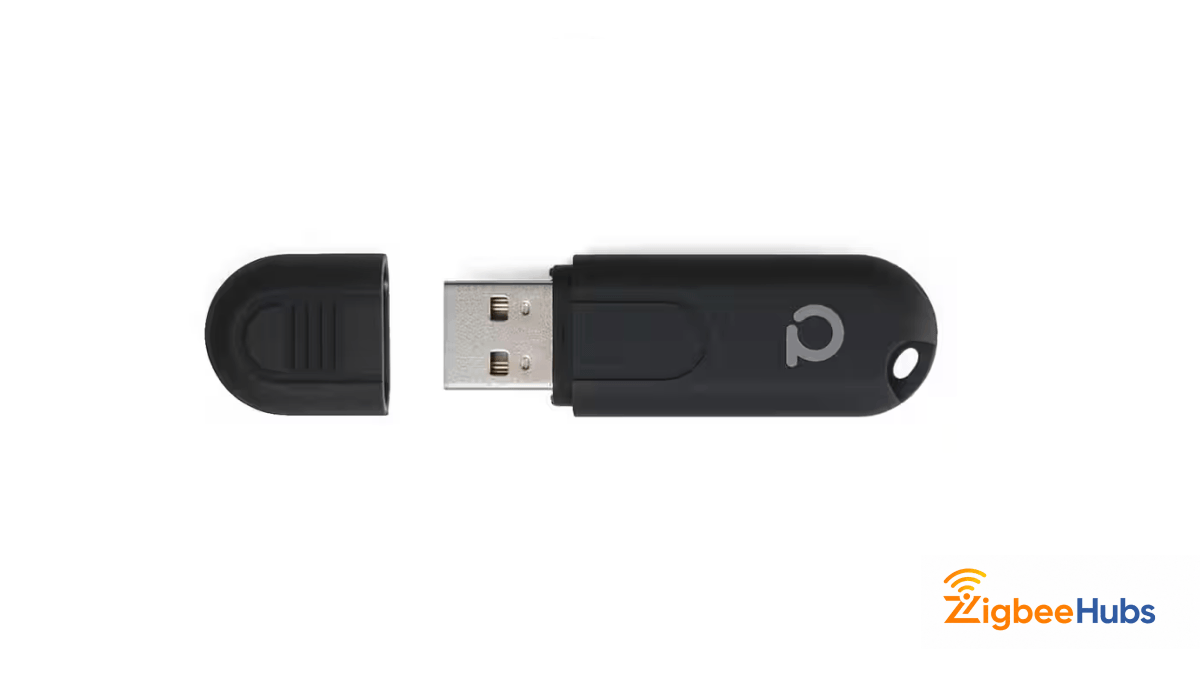
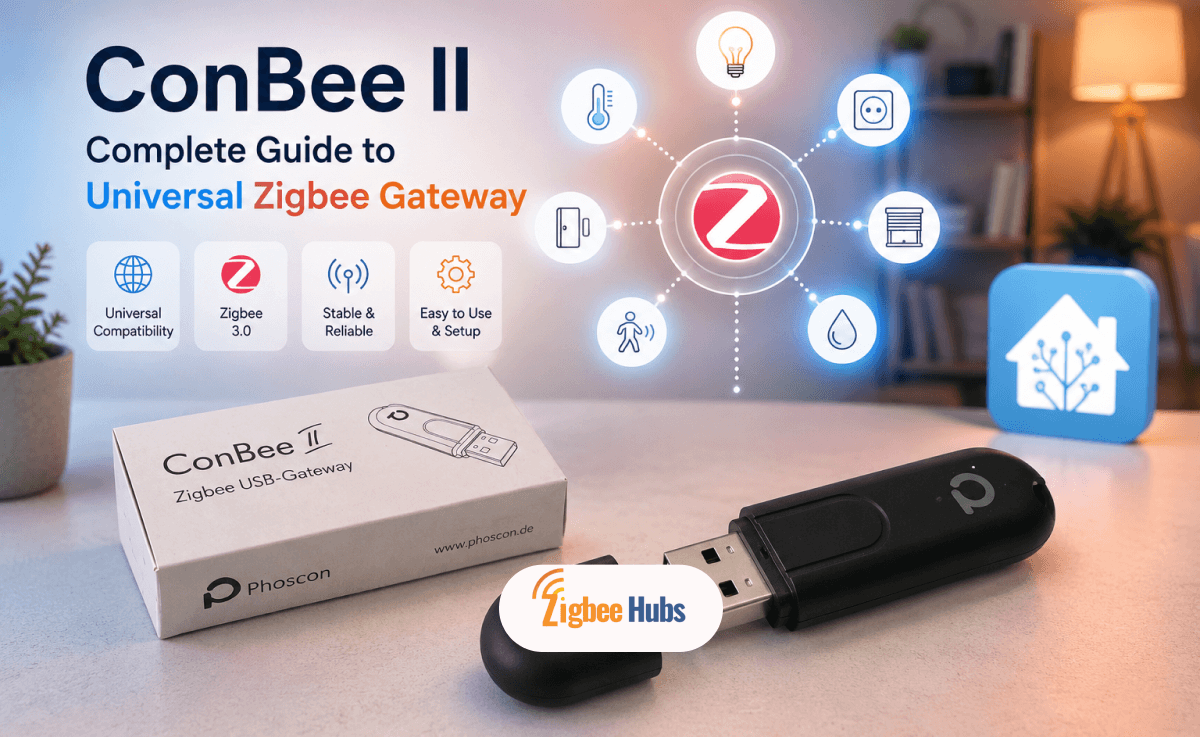
The conbee 2 or conbee ii remains one of the most universally compatible coordinators available.
I still use one in a mixed-device test environment because it handles older Xiaomi and IKEA devices extremely well.
Key Features
- Universal Zigbee compatibility
- Phoscon app support
- Cloud-free local control
- Raspberry Pi support
Pros
- Broad device compatibility.
- Very beginner friendly.
- Stable mesh networking.
- Excellent documentation.
Cons
- Older hardware architecture.
- No external antenna.
Best For
Users with mixed-brand Zigbee environments.
SMLIGHT SLZB-06
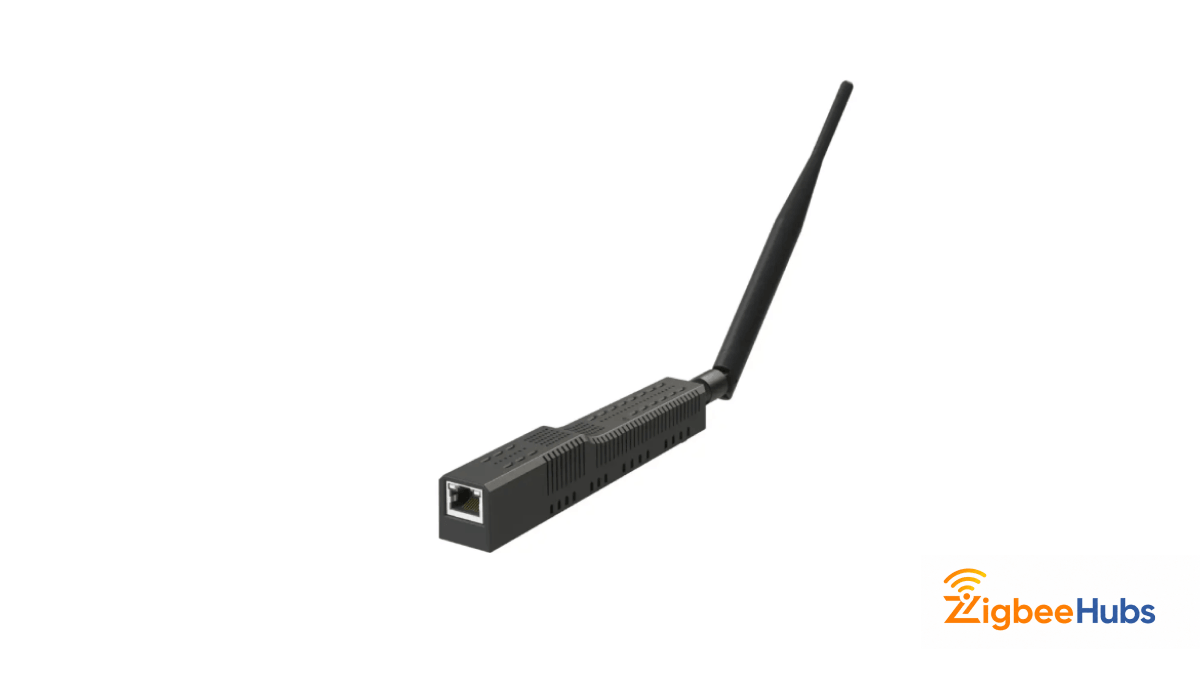
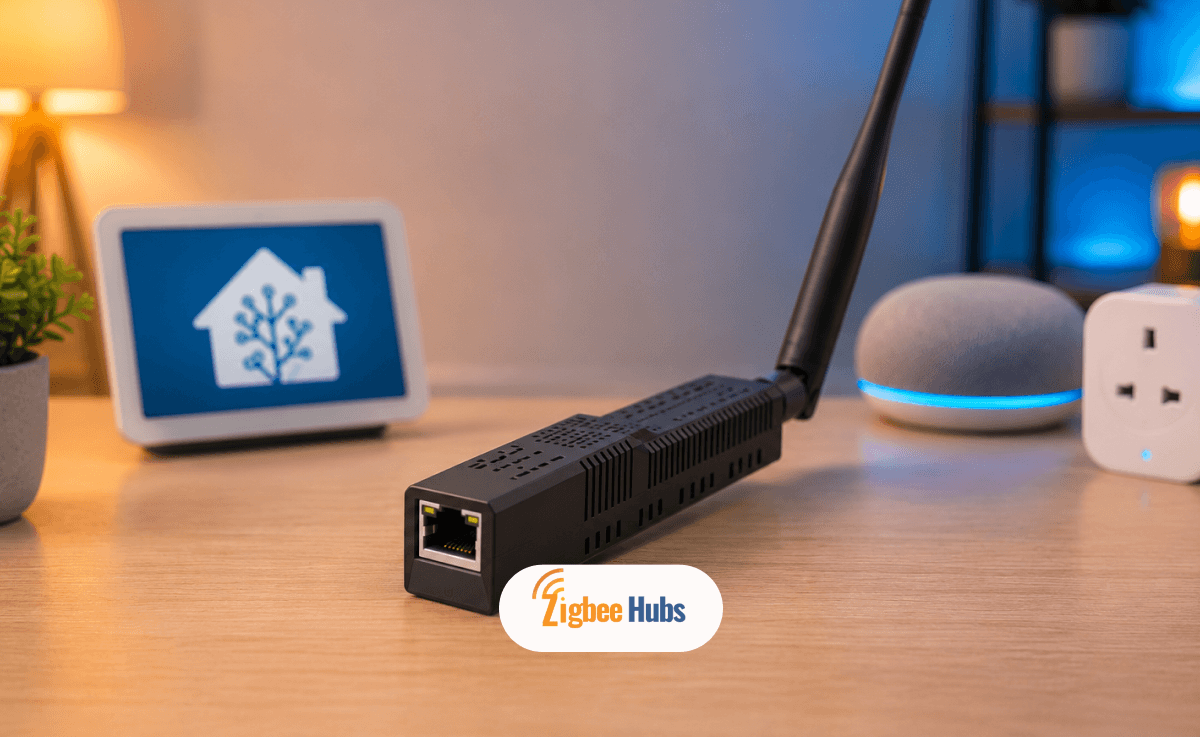
The SMLIGHT SLZB-06 is one of the most advanced coordinators I tested this year.
Although many people use it over LAN or PoE, it also works as a high-performance USB coordinator.
Key Features
- CC2652P chipset
- LAN, PoE, and USB modes
- Web management dashboard
- External 5dBi antenna
Pros
- Incredible stability.
- Excellent range.
- Eliminates USB interference when used over LAN.
- Handles large device counts easily.
Cons
- Higher price.
- More advanced setup process.
Best For
Large smart homes with 100+ Zigbee devices.
Aqara Hub E1
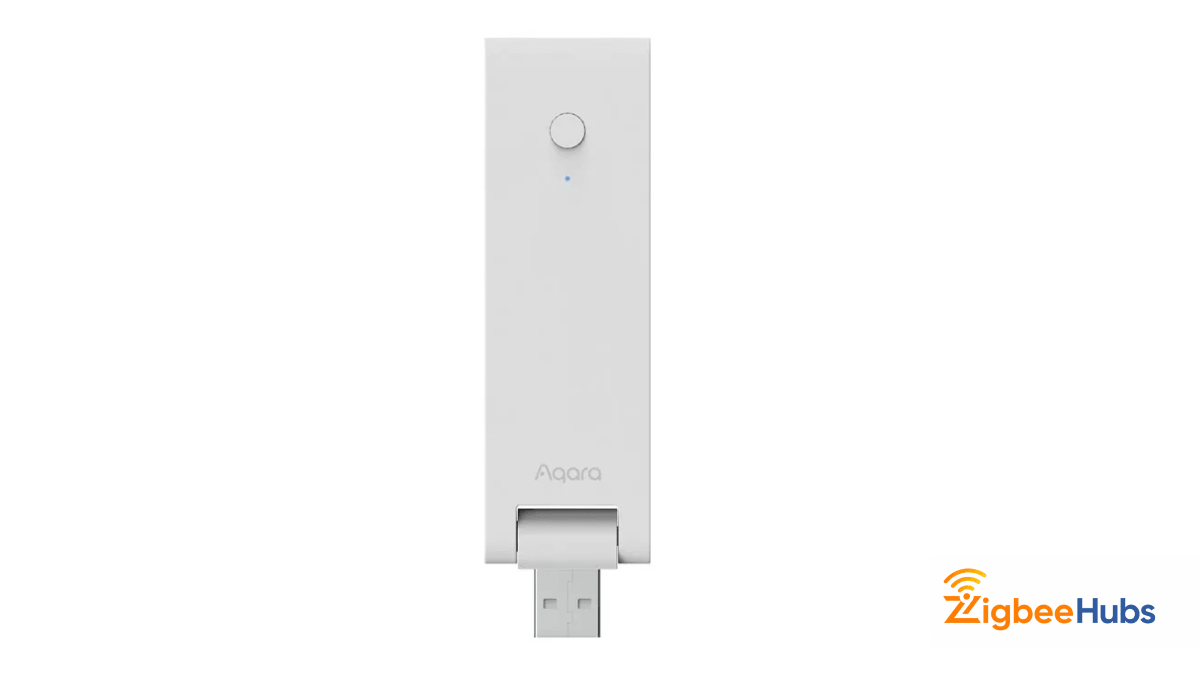
The Aqara Hub E1 is technically more of a compact hub than a traditional zigbee usb dongle, but I included it because many users want something small and simple.
Key Features
- USB-powered design
- Zigbee 3.0 support
- Wi-Fi repeater functionality
- Compact body
Pros
- Tiny form factor.
- Easy to hide.
- Very easy setup.
- Great Aqara integration.
Cons
- Limited flexibility outside Aqara ecosystem.
- Not ideal for advanced Home Assistant users.
Best For
Casual users who mainly use Aqara devices.
CC2531 Zigbee USB Dongle
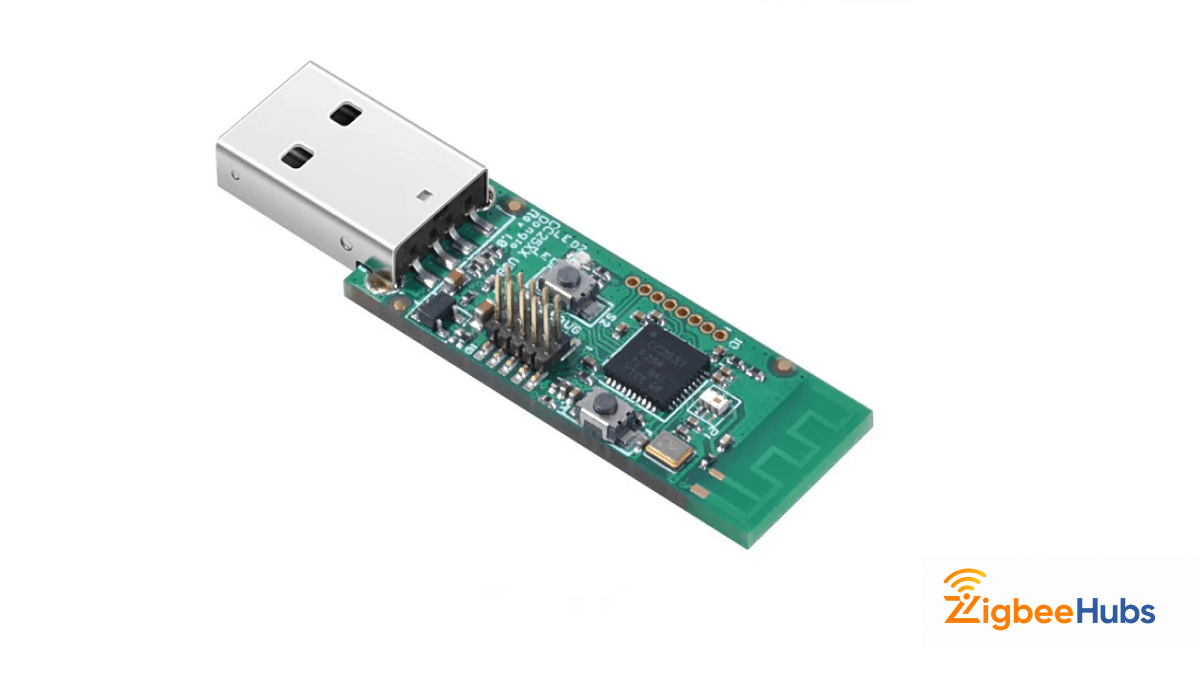
The CC2531 was one of the first popular Home Assistant coordinators.
I still keep one for testing older setups, but honestly, I would not recommend it for serious 2026 smart homes anymore.
Key Features
- 8051 MCU
- Compact USB design
- Zigbee2MQTT support
Pros
- Extremely cheap.
- Massive tutorial ecosystem.
- Good for learning.
Cons
- Weak range.
- Limited memory.
- Struggles with larger networks.
Best For
Testing labs and tiny smart homes.
CC2530 Zigbee Module
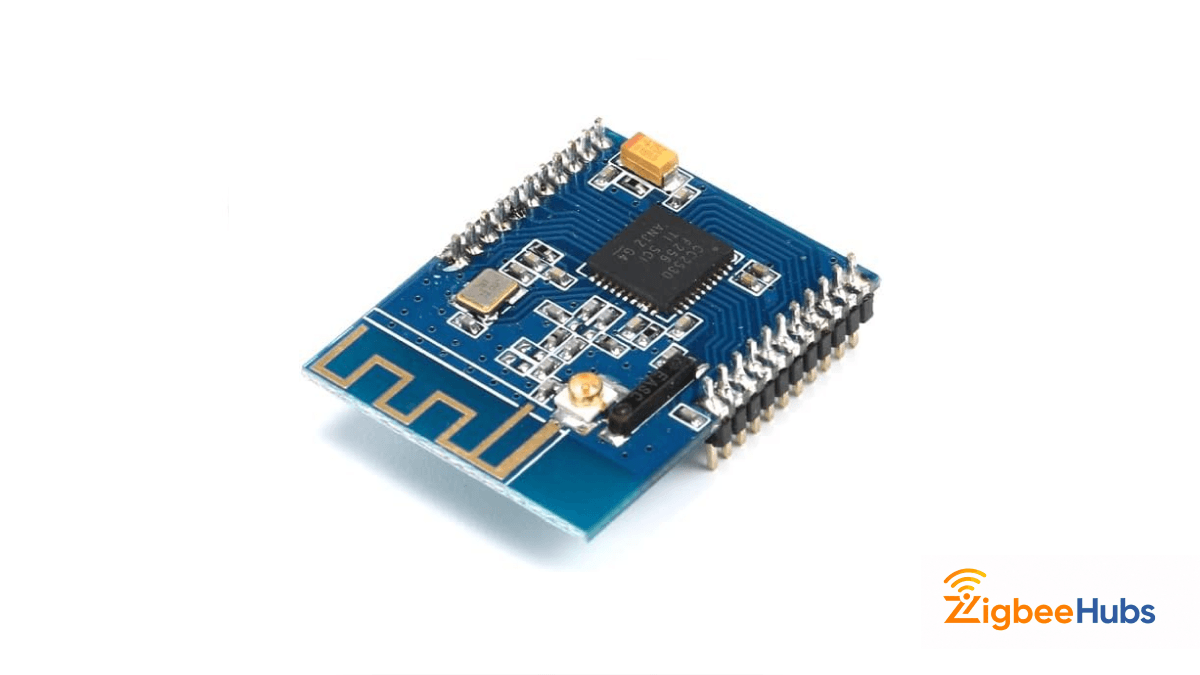
The CC2530 is more of a DIY module than a true consumer zigbee usb.
I mainly use these for router experiments and custom repeater projects.
Key Features
- 2.4GHz RF SoC
- 8051 architecture
- Custom firmware support
Pros
- Great for DIY projects.
- Cheap and versatile.
- Excellent as Zigbee routers.
Cons
- Not plug-and-play.
- Requires soldering or carrier boards.
Best For
DIY electronics enthusiasts.
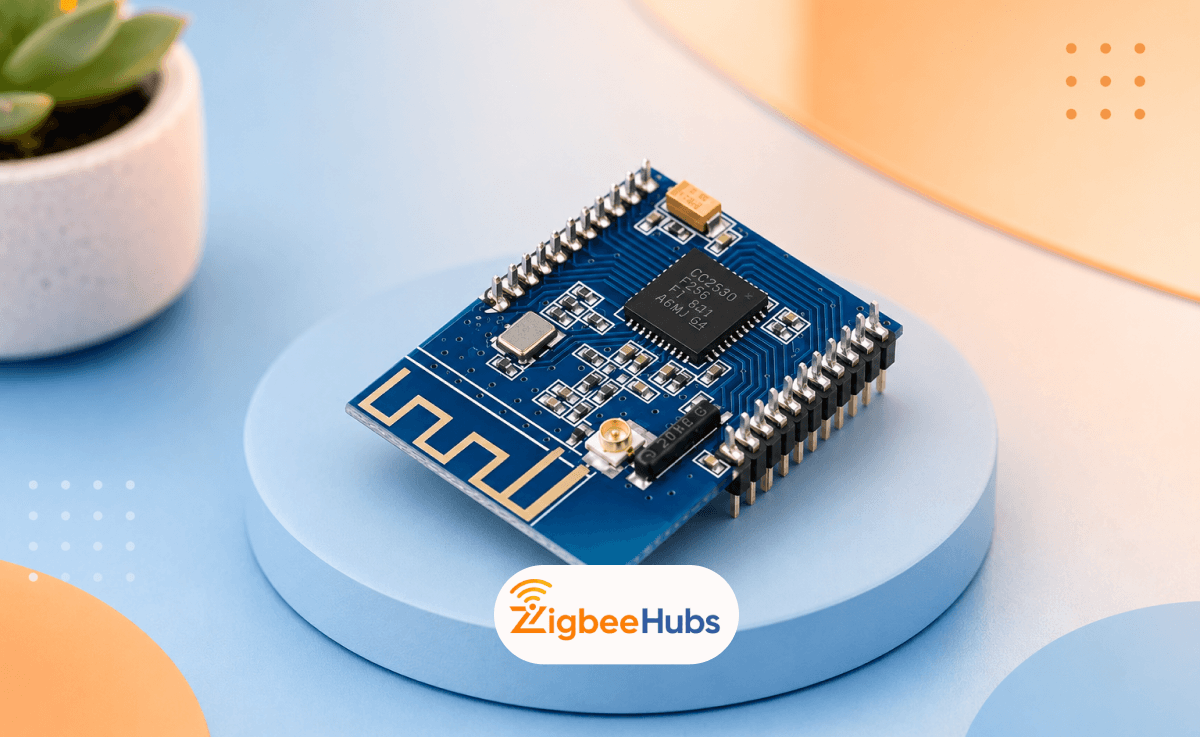
CC2652RB USB Coordinators
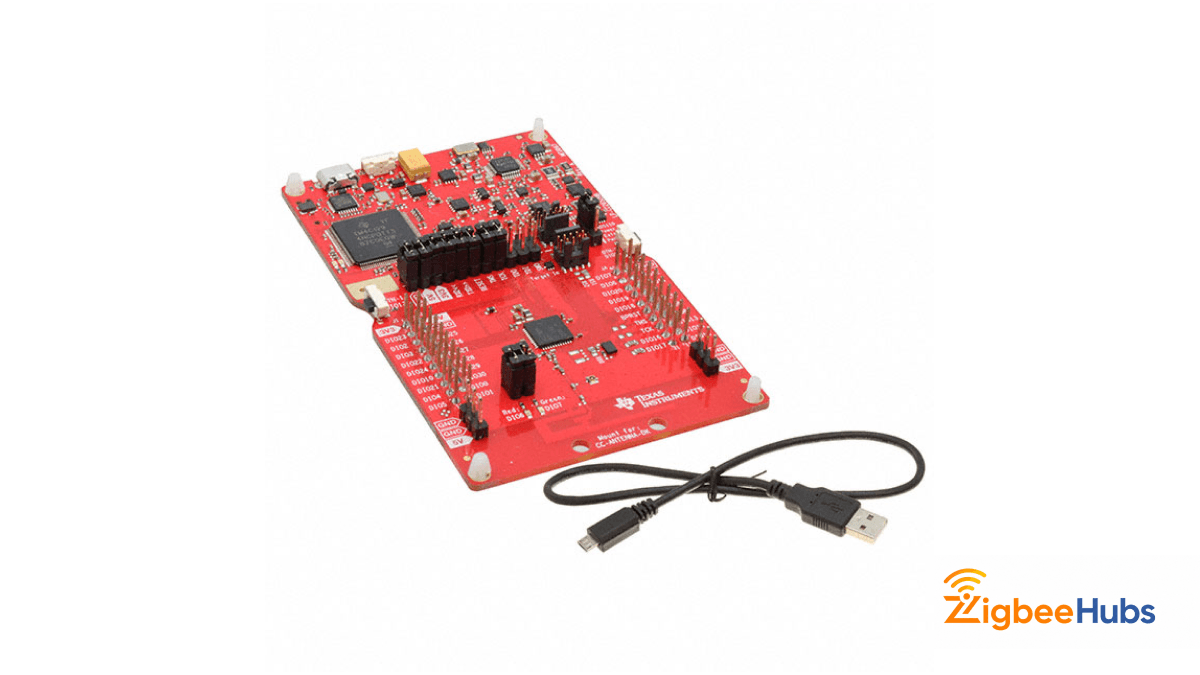
Several modern dongles now use the CC2652RB chipset, which includes an integrated RF crystal.
In my testing, these coordinators often showed slightly improved signal consistency.
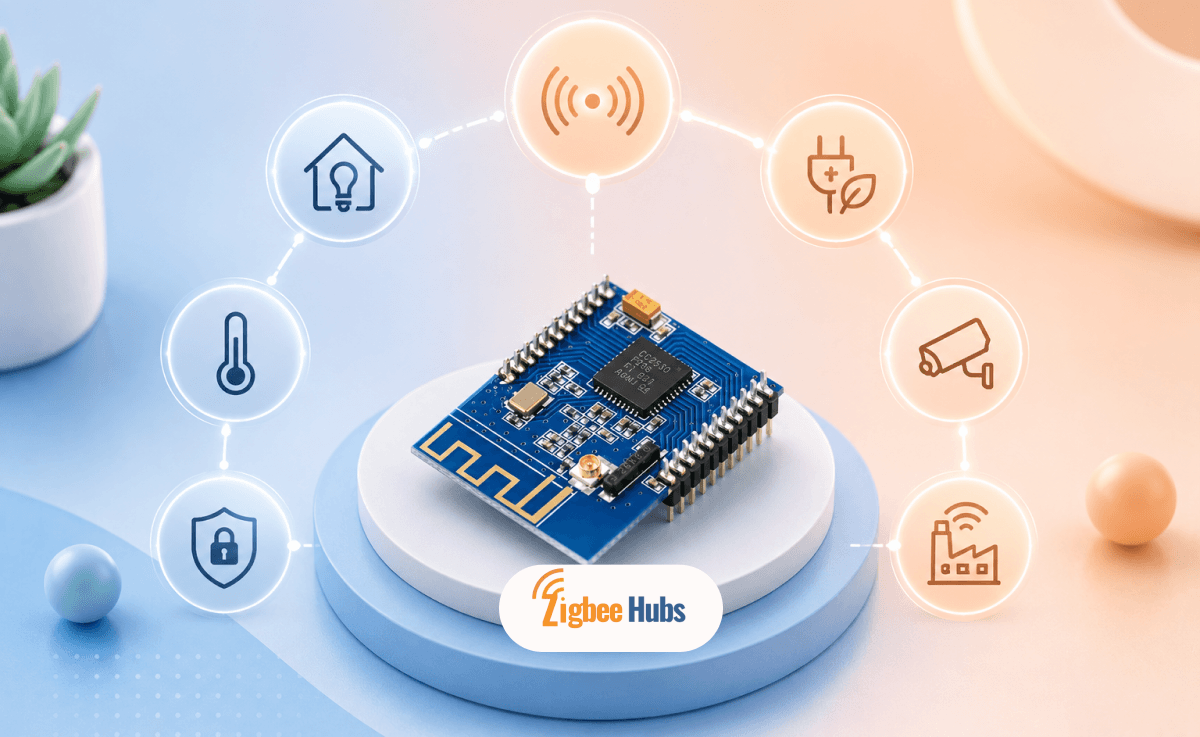
Key Features
- Integrated RF crystal
- Zigbee 3.0 support
- Lower timing drift
- Compact designs
Pros
- Stable performance.
- Good power efficiency.
- Reliable mesh routing.
Cons
- Availability varies.
- Smaller community support.
Best For
Users who want modern TI hardware without overspending.
Zemismart Zigbee Gateway
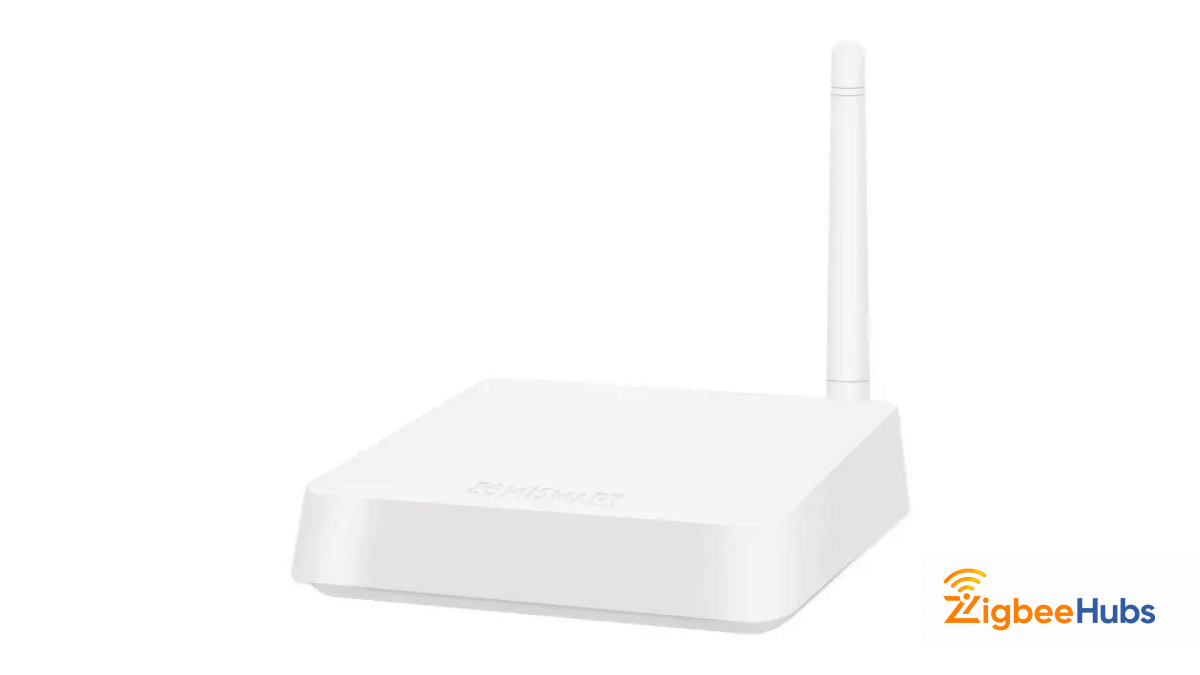
The Zemismart gateway surprised me during testing because of its stability over Ethernet.
It worked particularly well with Tuya-based ecosystems.
Key Features
- Ethernet connectivity
- Tuya Zigbee 3.0 support
- Stable wired connection
Pros
- Reliable connectivity.
- Easy setup.
- Good Tuya integration.
Cons
- Ecosystem limitations.
- Less flexible than USB coordinators.
Best For
Users already invested in Tuya products.
SONOFF Zigbee Bridge Pro
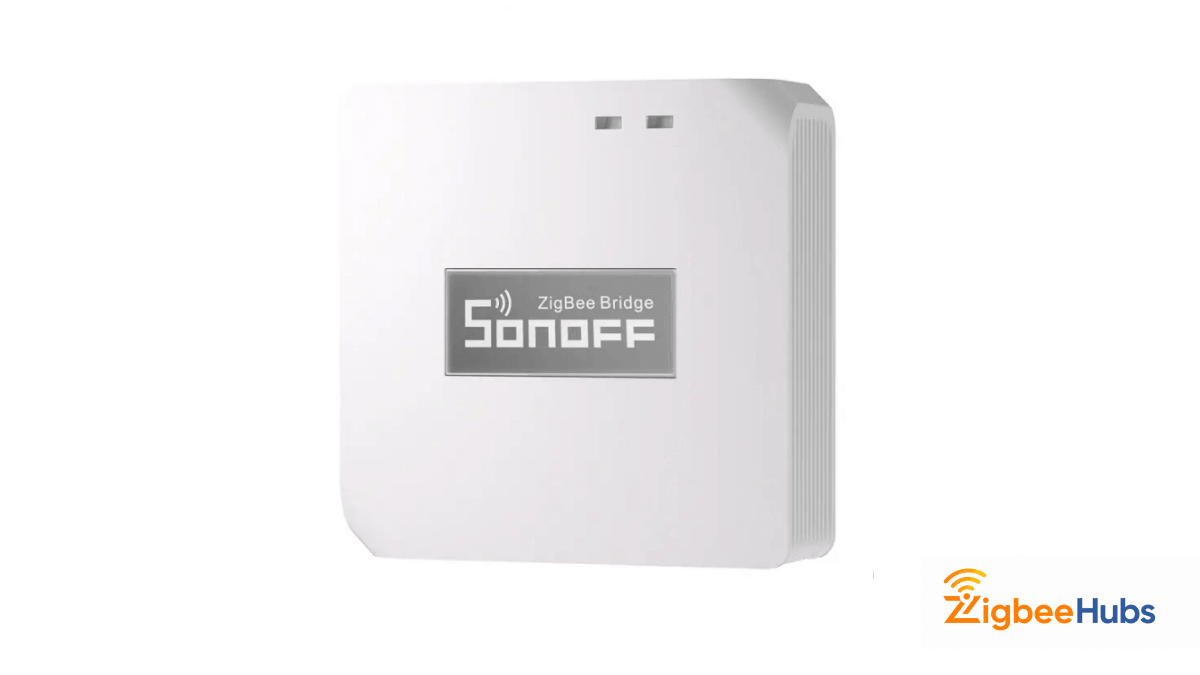
The SONOFF Zigbee Bridge Pro is not technically a standard USB coordinator, but it deserves mention because many Home Assistant users still use it after flashing custom firmware.
Key Features
- Supports up to 128 devices
- Local smart scenes
- Compact design
Pros
- Easy placement around the home.
- Good device capacity.
- Affordable.
Cons
- Requires extra work for local control.
- Not as flexible as dedicated USB coordinators.
Best For
Users who want a simple standalone Zigbee bridge.
Which Zigbee USB Has the Best Range?
From my testing, these are the strongest performers:
| Coordinator | Range | Stability | Best Use |
|---|---|---|---|
| SONOFF ZBDongle-P | Excellent | Excellent | Most users |
| SMLIGHT SLZB-06 | Excellent | Excellent | Large homes |
| ConBee II | Good | Very Good | Mixed ecosystems |
| SONOFF ZBDongle-E | Very Good | Very Good | Matter-ready setups |
Pro Tips for Better Zigbee Performance
Use a USB Extension Cable
This is mandatory in my opinion.
USB 3.0 ports create interference that can completely destroy Zigbee reliability.
A 1–2 meter USB 2.0 extension cable usually fixes random dropouts instantly.
Build Router Density First
Always install mains-powered devices first:
- Smart plugs
- In-wall switches
- Zigbee bulbs
These strengthen the mesh before adding battery sensors.
Avoid Wi-Fi Channel Overlap
Zigbee operates on 2.4GHz.
If your Wi-Fi router uses overlapping channels, performance can collapse.
I usually recommend:
- Zigbee channel 25
- Wi-Fi channel 1 or 6
Are Zigbee USB Dongles Better Than Brand Hubs?
For most advanced users, yes.
A dedicated home assistant zigbee dongle provides:
- Local control
- Better automation flexibility
- Faster response times
- Multi-brand compatibility
- Better privacy
However, brand hubs are still easier for beginners.
Final Verdict
If I had to recommend only one zigbee usb in 2026, it would still be the SONOFF Zigbee 3.0 USB Dongle Plus. It offers the best combination of stability, signal strength, firmware maturity, and Home Assistant compatibility.
For larger homes, the SMLIGHT SLZB-06 is outstanding.
For universal compatibility, ConBee II still holds up remarkably well even in 2026.
No matter which coordinator you choose, a solid Zigbee foundation will dramatically improve your smart home experience.
FAQs
Looking for a Compatible Zigbee Hub?
Explore our tested selection of Zigbee 3.0 gateways, Home Assistant coordinators, and smart controllers.
Have Questions or Need Setup Help?
Join the discussion on Smarthome Forum! Ask questions, share your home automation setup, or get expert troubleshooting advice from the community.