How to Choose Zigbee Lamps and the Best Zigbee Lamps in 2026

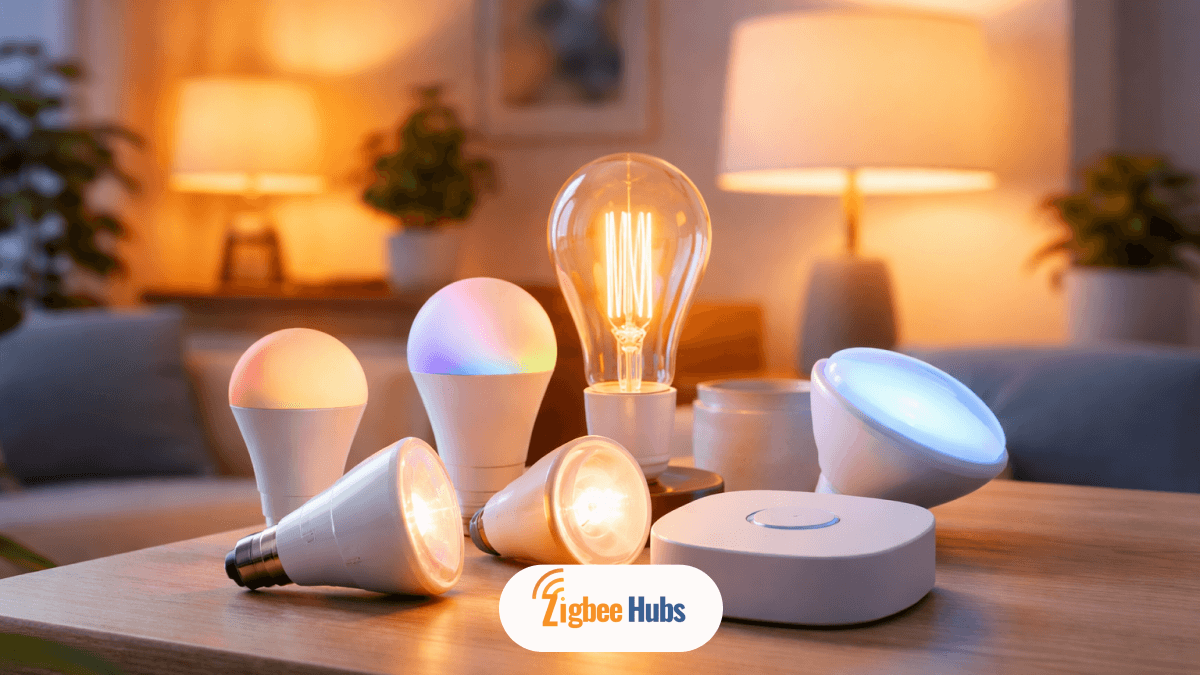
Zigbee lamps are smart lighting devices that connect using the Zigbee wireless protocol, creating a reliable mesh network that improves as more devices are added. Unlike Wi-Fi bulbs, Zigbee lamp systems reduce router congestion, offer stable automation, and allow local smart home control through hubs like Philips Hue Bridge, SmartThings, or Amazon Echo.
From my experience testing smart lighting setups in multiple smart homes, Zigbee lighting consistently delivers the most stable and scalable system for whole-home automation.
Key Takeaways
- Zigbee lamps create a mesh network, improving range and reliability as you add more devices.
- They reduce Wi-Fi congestion because they communicate through a dedicated hub instead of your router.
- Zigbee smart lights consume less energy compared to many Wi-Fi alternatives.
- Hub compatibility matters, so always verify support for platforms like Alexa, Google Assistant, or Apple HomeKit.
- Bulb types vary, including A19 bulbs, GU10 Zigbee spotlights, and Zigbee ceiling lights like BR30 flood bulbs.
What Are Zigbee Lamps?
Zigbee lamps are smart light bulbs that use the Zigbee wireless protocol to communicate with a hub and other devices in a smart home network.
Unlike Wi-Fi bulbs that connect individually to your router, Zigbee light bulbs form a mesh network where each device can relay signals to nearby devices.
This design creates a stronger network as you add more lights.
In real installations I’ve built, the difference becomes obvious once you install around 10–15 devices. Wi-Fi bulbs often cause connection delays, while Zigbee lamps maintain near-instant response.
How Zigbee Mesh Networking Works
- Each zigbee lamp acts as a signal repeater.
- Messages hop between devices until reaching the hub.
- The network automatically reroutes signals if a device fails.
This architecture makes Zigbee one of the most reliable protocols for smart lighting.
Why Choose Zigbee Instead of Wi-Fi Lighting?
When building a smart home lighting system, most people compare Zigbee and Wi-Fi bulbs.
From years of deploying both systems, Zigbee consistently wins for larger homes.
1. Reduced Wi-Fi Congestion
Wi-Fi bulbs each connect individually to your router.
A house with 30 bulbs means 30 Wi-Fi connections.
Zigbee lamps solve this by routing traffic through a hub.
2. Energy Efficiency
Zigbee devices use low-power radio communication, which improves battery life for sensors and reduces power draw for lighting systems.
3. Local Automation
Many Zigbee systems continue working even when the internet fails.
Schedules, scenes, and switches still operate locally.
This is why many advanced smart home setups use Zigbee hubs with platforms like Home Assistant or SmartThings.
Key Decision Factors When Choosing the Best Zigbee Lamps
Choosing the right zigbee lamp depends on several technical factors. I always recommend evaluating these four before buying.
1. Brightness (Lumens) and Power (Watts)
Brightness in zigbee lights is measured in lumens (LM).
For reference:
- 800 lumens ≈ traditional 60W bulb brightness
- 1100 lumens ≈ brighter task lighting
LED Zigbee lamps achieve this brightness using only 8–12 watts, making them extremely energy efficient.
2. Color Temperature (Kelvin)
Color temperature determines how warm or cool your light appears.
| Temperature | Use Case |
|---|---|
| 2000K–3000K | Warm lighting for living rooms and bedrooms |
| 3500K–4500K | Neutral lighting for general rooms |
| 5000K–6500K | Daylight lighting for kitchens or offices |
Modern zigbee smart lights allow dynamic adjustment through apps or automation.
3. Hub Compatibility
Most Zigbee lamps require a hub.
Common hubs include:
- Philips Hue Bridge
- Samsung SmartThings Hub
- Amazon Echo with Zigbee
- Home Assistant with Zigbee coordinators
If you plan to integrate automation, hubs are essential.
For example, many advanced users rely on Zigbee Home Assistant setups for complete local control.
4. Bulb Shape and Base Type
Smart lighting also depends on fixture compatibility.
Common zigbee lamp formats include:
A19 bulbs
- Standard household bulb shape
- Used in table lamps and ceiling fixtures
GU10 Zigbee bulbs
- Spotlights used in track lighting or recessed fixtures
BR30 flood bulbs
- Used in recessed zigbee ceiling lights
Filament bulbs
- Decorative lamps with vintage aesthetics
The Best Zigbee Lamps in 2026
After testing several lighting setups across different smart home ecosystems, these zigbee lamps consistently stand out in reliability, brightness, and smart integration.
Aqara Thread/Zigbee Smart LED Bulb T2 (Best Overall)
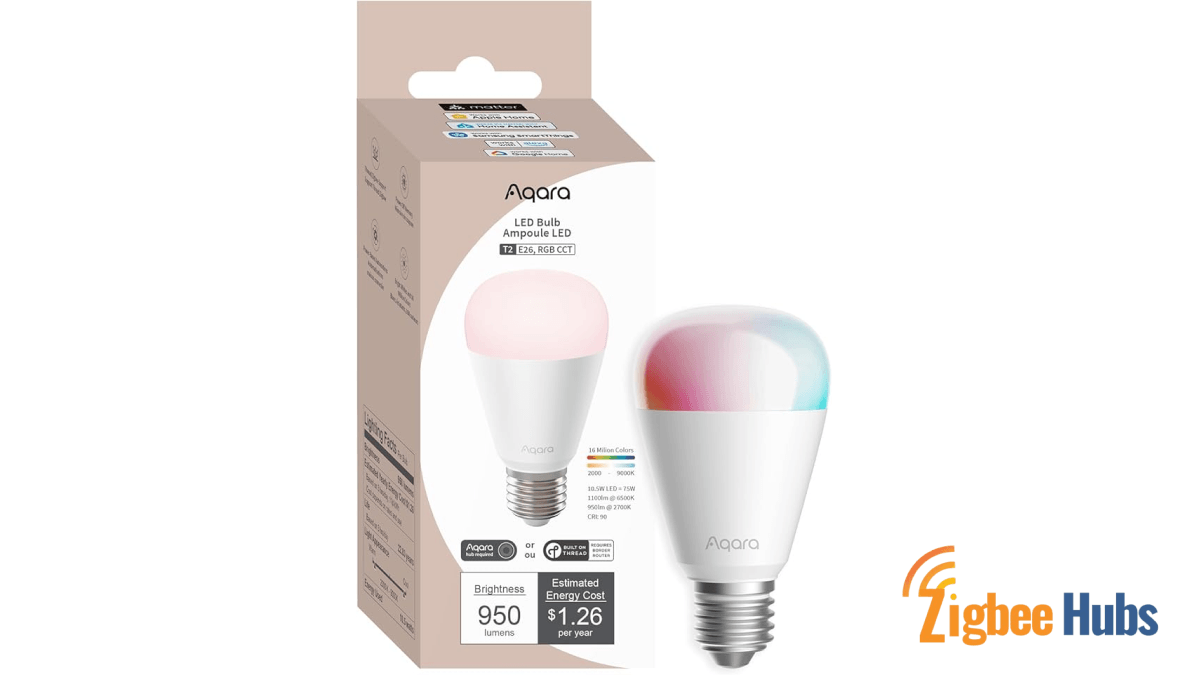
The Aqara T2 is one of the most versatile zigbee smart lights currently available. I tested it in both Zigbee and Thread environments, and the transition between protocols works seamlessly.
The bulb produces 1100 lumens, making it brighter than most smart bulbs in its category.
Key Features
- 1100 lumens brightness
- 2000K–9000K tunable white
- 16 million color options
- Dual Zigbee and Thread support
Pros
- Matter-ready future compatibility
- Circadian lighting support
- Power-off memory feature
Cons
- Advanced features require an Aqara hub
In larger smart homes, this bulb works extremely well because its brightness can illuminate entire rooms.
Philips Hue Color Ambiance LED Bulb (Best Premium Ecosystem)
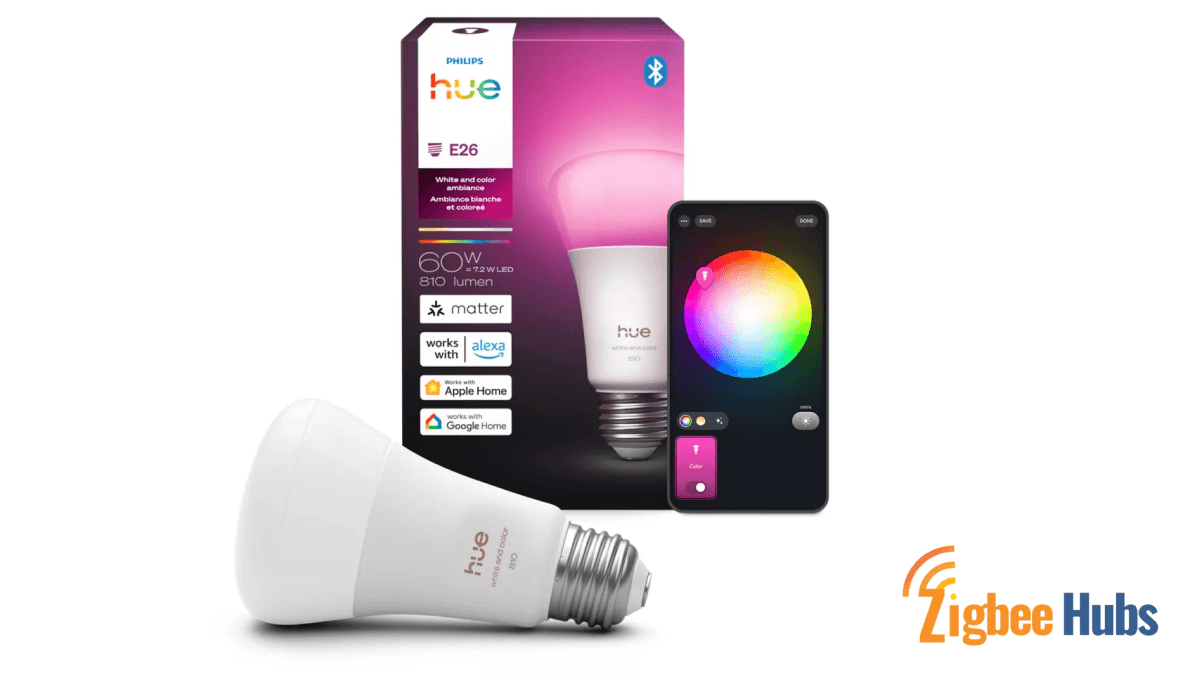
Philips Hue remains the gold standard for smart lighting ecosystems.
I’ve used Hue lighting in multiple automation projects, and the ecosystem is incredibly polished.
The Hue Color Ambiance bulb offers 16 million colors, smooth dimming, and strong integration with nearly every smart home platform.
Key Features
- RGB color lighting
- Bluetooth and Zigbee connectivity
- Scene library and automation support
Pros
- Reliable ecosystem
- Supports up to 50 bulbs per bridge
- Excellent dimming performance
Cons
- Higher price point
- Requires Hue Bridge for full features
If you're building a premium zigbee lamp system, Hue is still one of the safest investments.
THIRDREALITY Zigbee Smart Color Bulb ZL1 (Best Value)
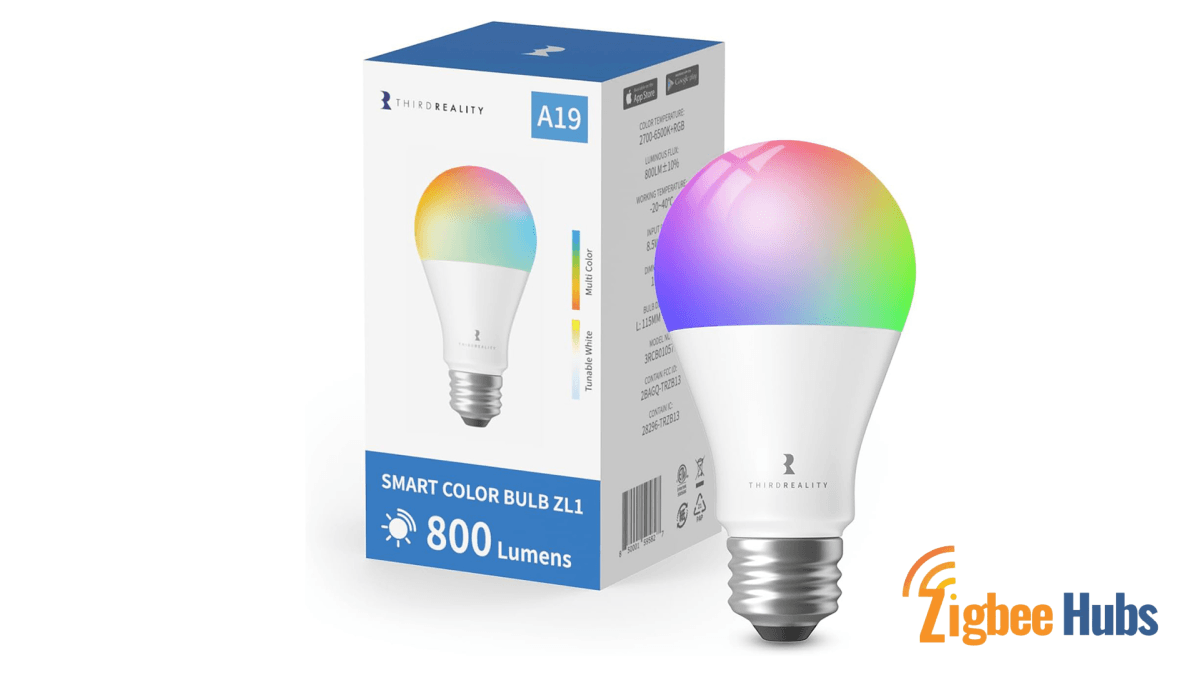
The THIRDREALITY ZL1 is one of the most practical zigbee light bulbs for expanding a network.
I often recommend it when someone is building a larger Zigbee mesh because each bulb improves signal coverage.
Key Features
- 800 lumens brightness
- RGB color lighting
- 2700K–6500K tunable white
Pros
- Affordable price
- Strong Zigbee repeater capability
- Easy setup with Echo hubs
Cons
- Requires hub for full functionality
In real deployments, this bulb noticeably improves Zigbee signal coverage across rooms.
Sengled Zigbee Floodlight BR30 (Best for Ceiling Lights)
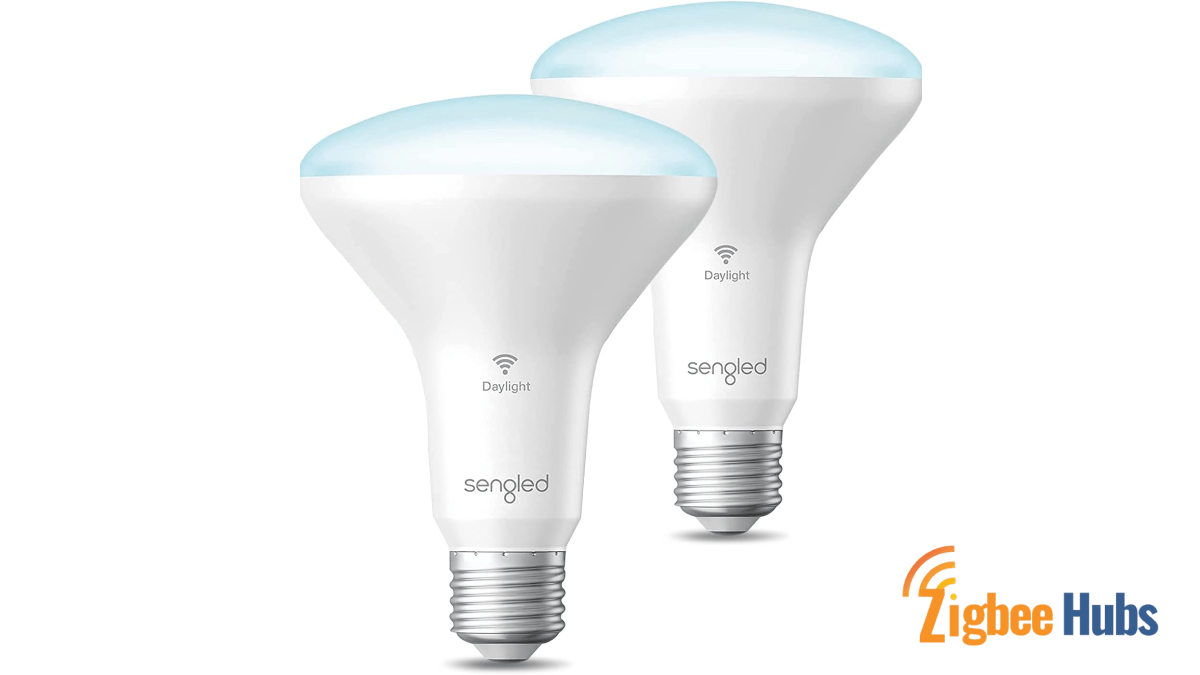
For recessed fixtures, Sengled BR30 bulbs are an excellent zigbee ceiling lights option.
I installed several of these in a kitchen lighting system, and they provided even light coverage across the entire room.
Key Features
- 800+ lumens brightness
- RGB color lighting
- Designed for recessed cans
Pros
- Affordable multi-packs
- Stable Zigbee connectivity
- Good brightness for ceiling lighting
Cons
- Not compatible with the Hue Bridge
They work best with SmartThings or Amazon Echo Zigbee hubs.
Philips Hue Edison Filament Bulb (Best Decorative Lamp)
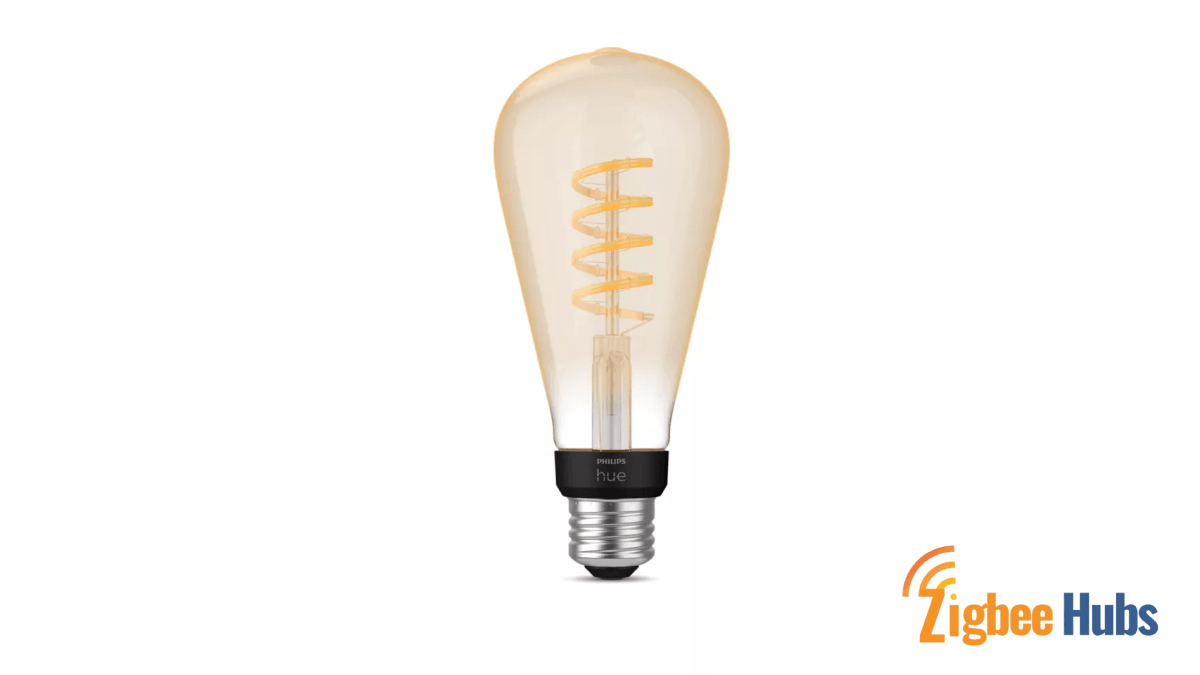
For visible fixtures like pendant lights or vintage lamps, the Hue Edison filament bulb delivers beautiful aesthetic lighting.
The glowing coil design creates a classic vintage atmosphere.
Key Features
- Warm 2100K amber glow
- Transparent glass bulb
- Zigbee smart control
Pros
- Perfect for decorative lighting
- Works indoors and covered outdoor fixtures
- Stylish vintage appearance
Cons
- Limited color options
- Occasional blinking if signal strength is weak
I often use these bulbs in dining rooms or entryways where the bulb itself is part of the design.
Advanced Zigbee Lighting Features to Explore
Modern zigbee lamps offer far more than simple on/off control.
Here are some features worth exploring when building a smart lighting system.
Circadian Lighting
Some zigbee smart lights can adjust color temperature automatically during the day.
Example schedule:
- Morning: bright cool light
- Afternoon: neutral white
- Evening: warm dim light
This helps support natural sleep cycles.
Music Sync
Compatible apps allow zigbee lamps to change color in sync with music.
This feature is popular for parties or home theater setups.
Security Integration
Smart lighting can integrate with motion sensors and cameras.
Example automation:
- Motion detected outside
- Zigbee ceiling lights turn on automatically
- Cameras begin recording
This adds a useful security layer to smart homes.
Comparison of Top Zigbee Lamps (2026)
| Product | Brightness | Colors | Hub Required | Key Benefit |
|---|---|---|---|---|
| Aqara T2 | 1100 lumens | RGB + tunable white | Yes | Matter ready |
| Philips Hue Color | 800 lumens | 16 million colors | Yes | Best ecosystem |
| THIRDREALITY ZL1 | 800 lumens | RGB + tunable white | Yes | Zigbee repeater |
| Sengled BR30 | 800+ lumens | RGB | Yes | Ceiling lighting |
| Innr Smart Bulb | 806 lumens | Warm white | Yes | Budget option |
Conclusion
The best zigbee lamp ultimately depends on your smart home priorities.
If you want future-proof technology, the Aqara T2 is an excellent choice.
If you prefer a complete ecosystem, Philips Hue remains the leader.
For larger installations, affordable bulbs like THIRDREALITY improve mesh coverage while keeping costs manageable.
From years of working with smart home lighting, my biggest advice is simple:
Start with a reliable Zigbee hub and a few bulbs, then expand gradually as your mesh network grows.